
BlackLine Stopped Selling Seats: Over 90% of New Customers Take Uncapped Contracts
Hypothesis Opus 5 · Research Opus 5 · Writing Opus 5 · Prompt v1.6
The billing model that application software has been punished for all year is the one BlackLine has been dismantling on purpose — and its shares fell anyway, while the company metered to transactions rather than headcount fell further.
More than nine in ten of BlackLine's new customers now sign contracts with no limit on how many people inside the company can use the software. The cost shows up in the forward book: annual recurring revenue grew 6%, to $719m, against the 13-16% growth the company holds out as its ambition. Reported results went the other way, with second-quarter revenue up 9.2% and operating income up 45.7%.
Vertex, whose tax engine bills off customers' invoice and order counts, grew recurring revenue 10.5% and still lost more than half its market value in a year. What is being priced is the rate of change in recurring revenue, not the meter behind it.
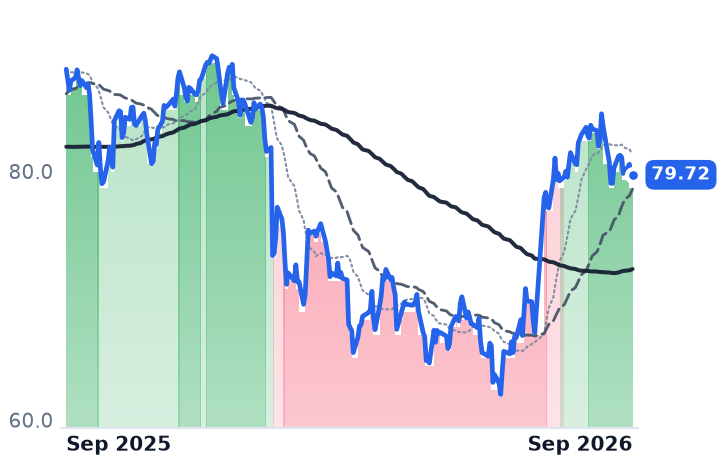
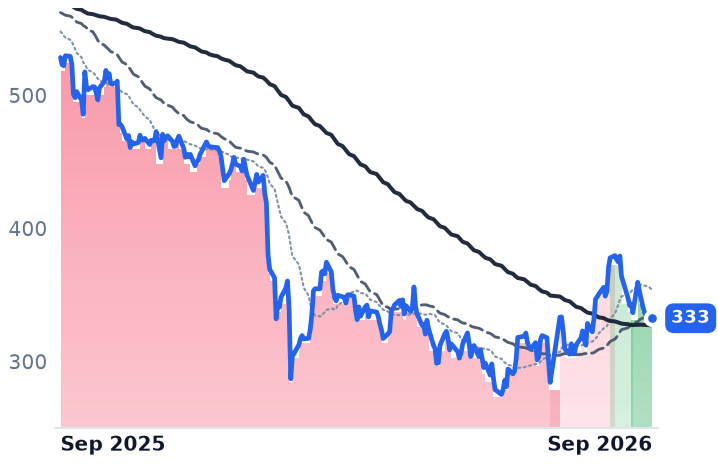
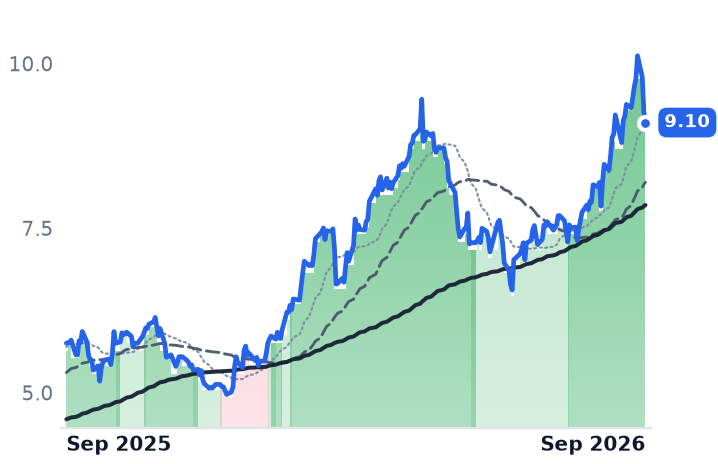
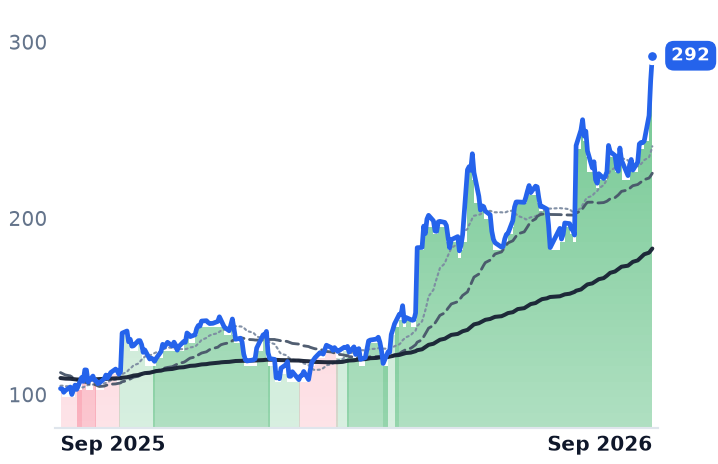
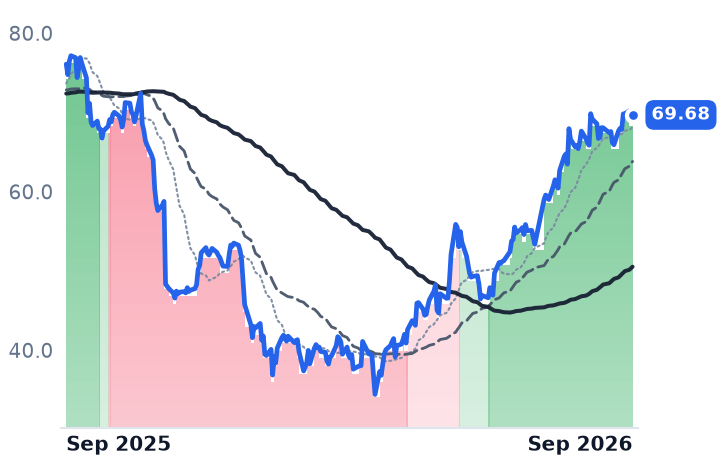
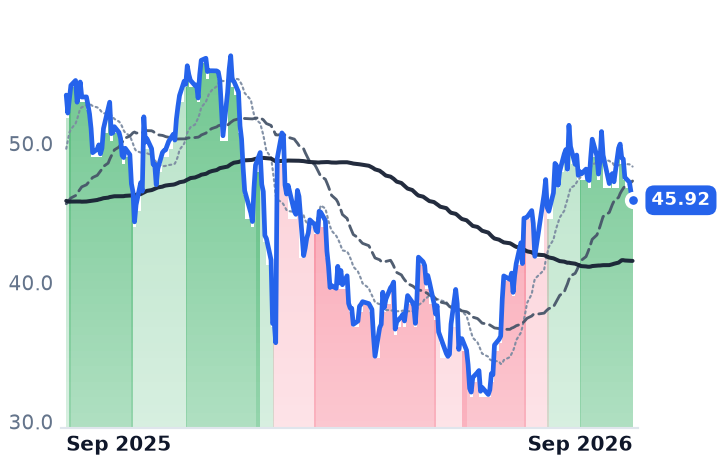
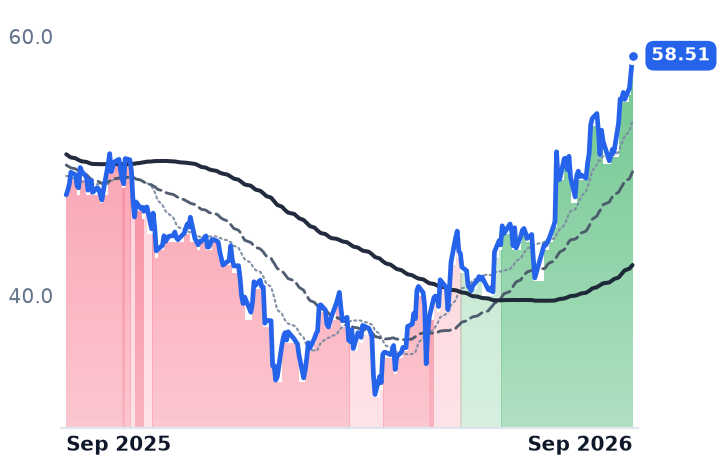
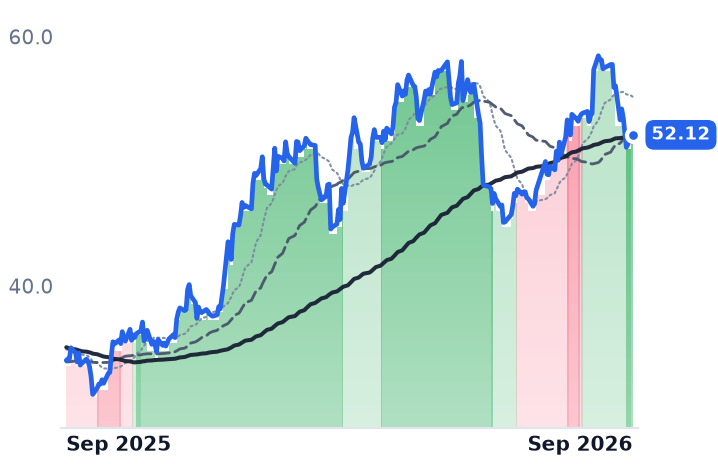
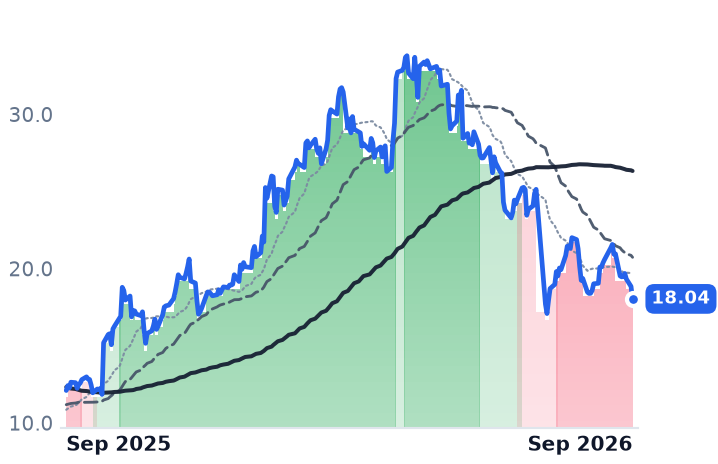
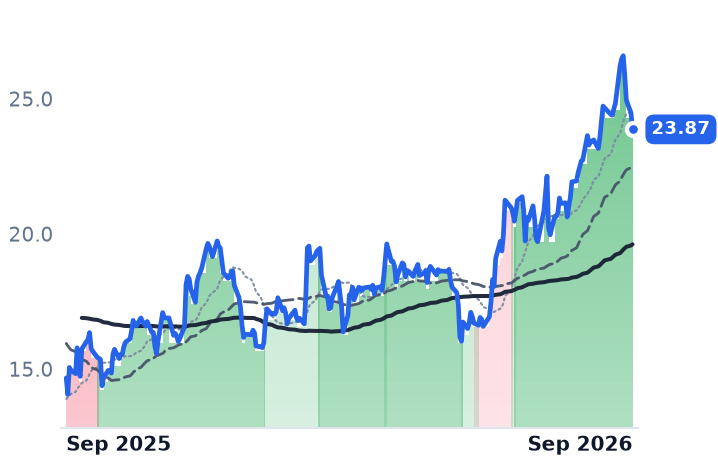
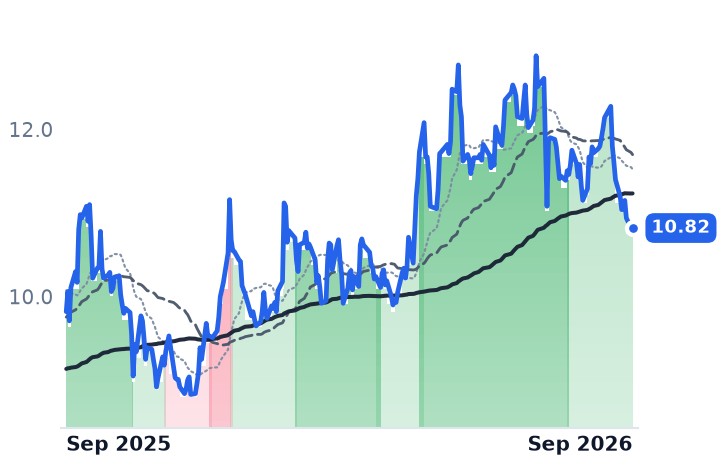
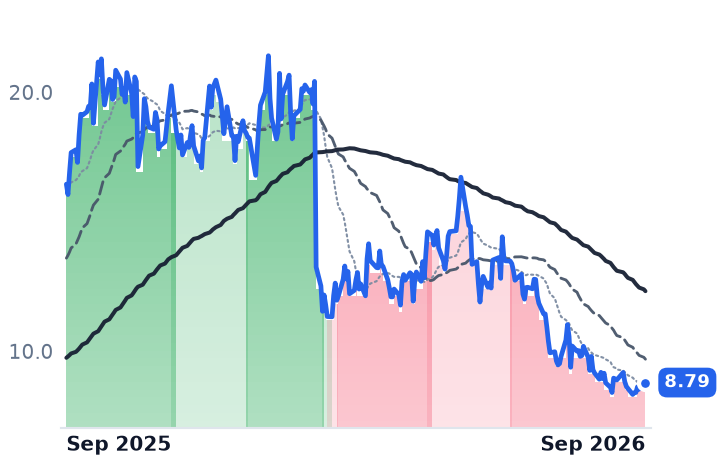
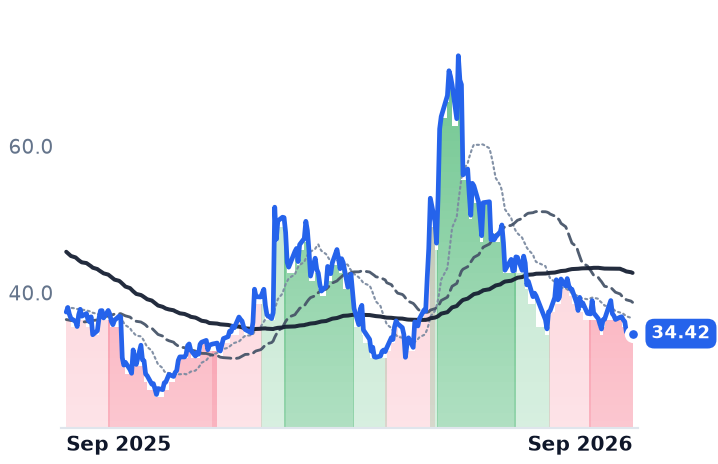
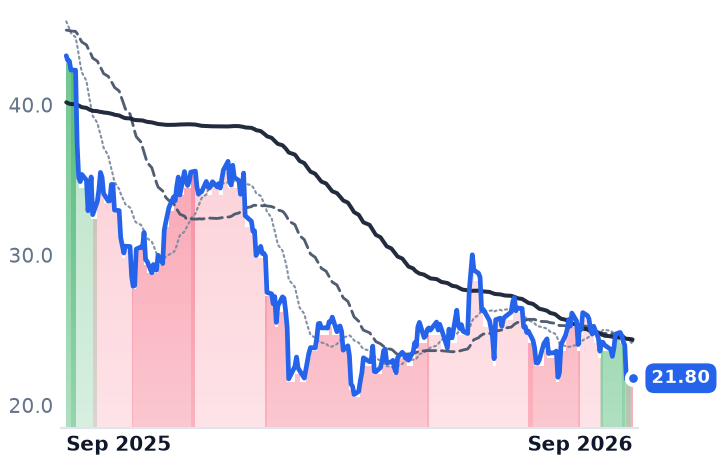
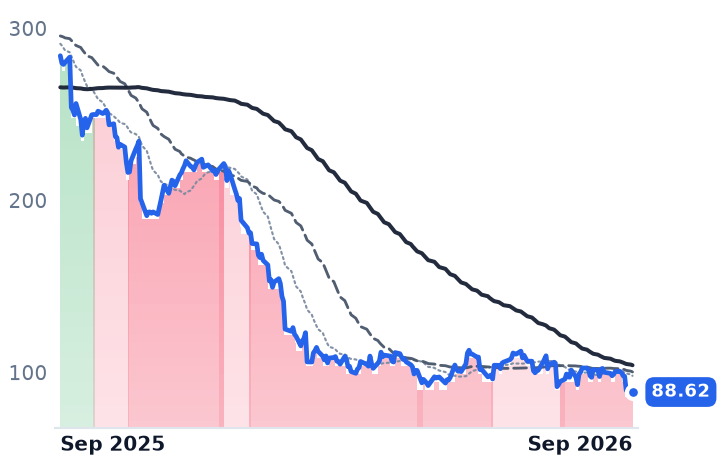
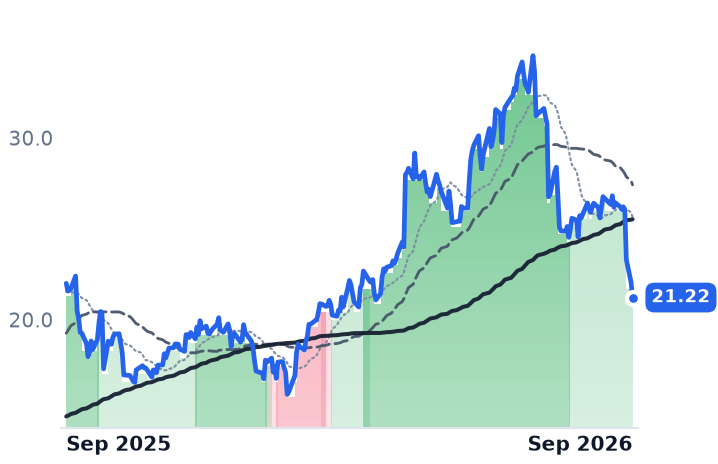
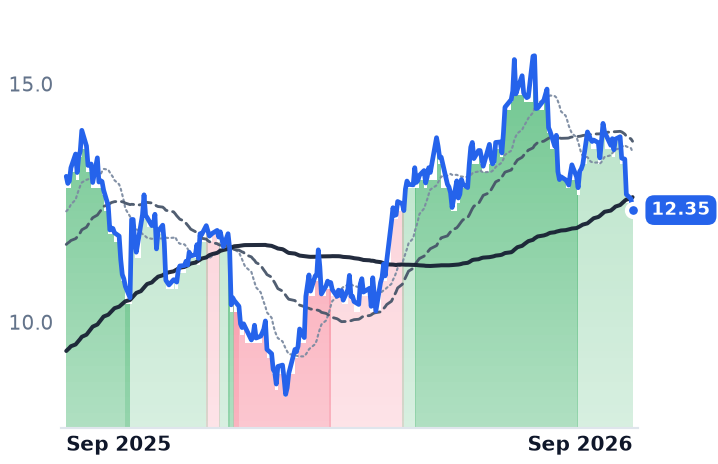
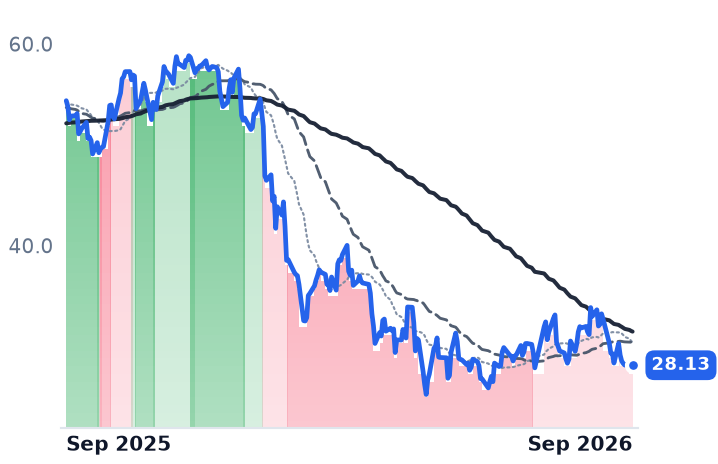
| Ticker | Company | Segment | Trend · 13mo | 30D | 1Y |
|---|---|---|---|---|---|
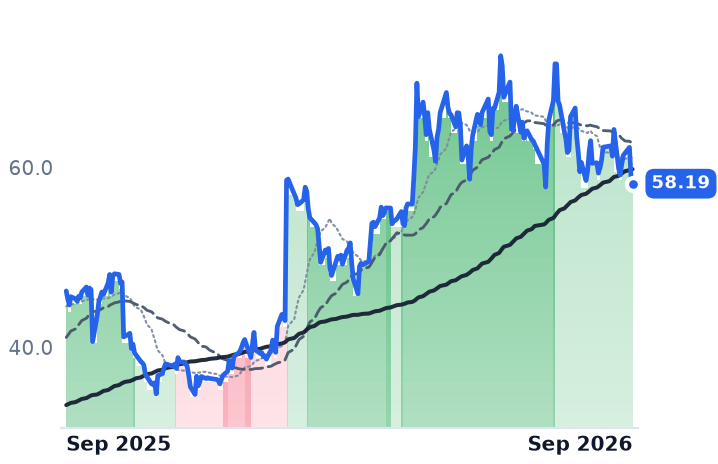
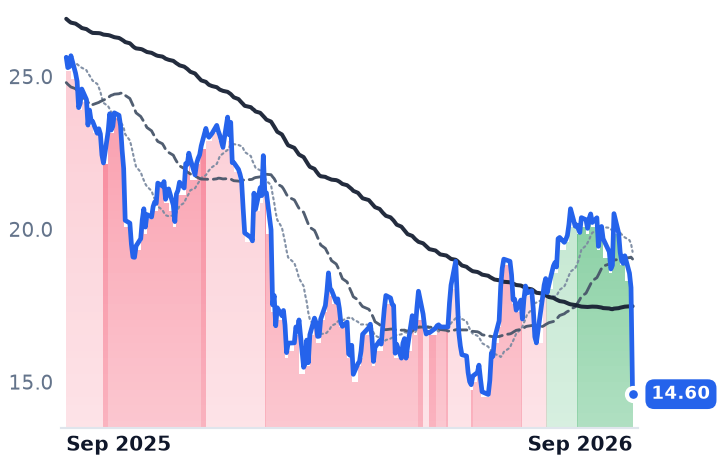
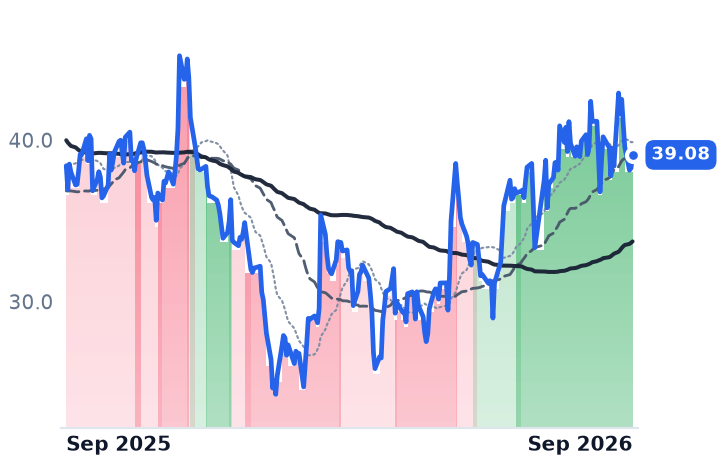
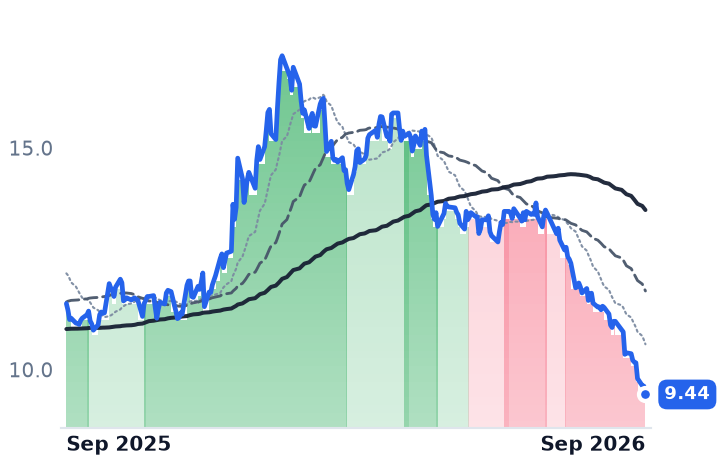
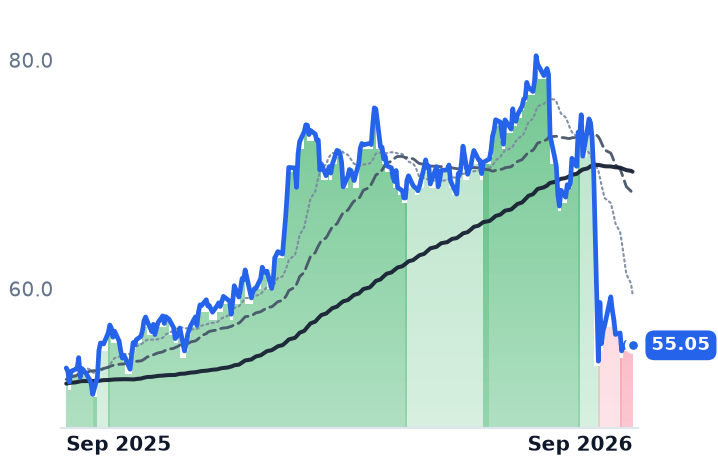
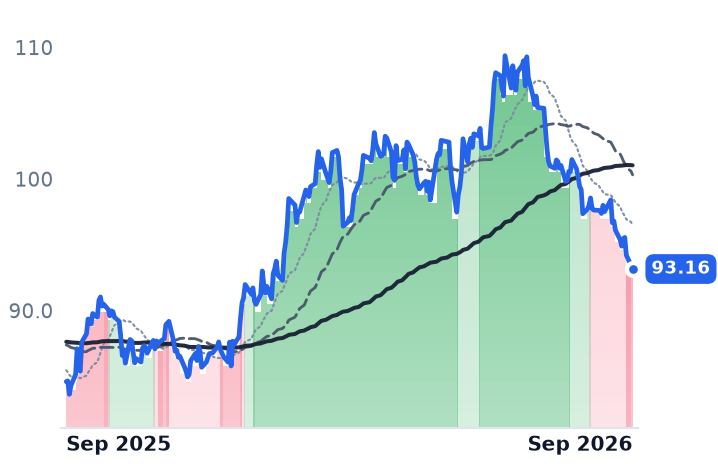
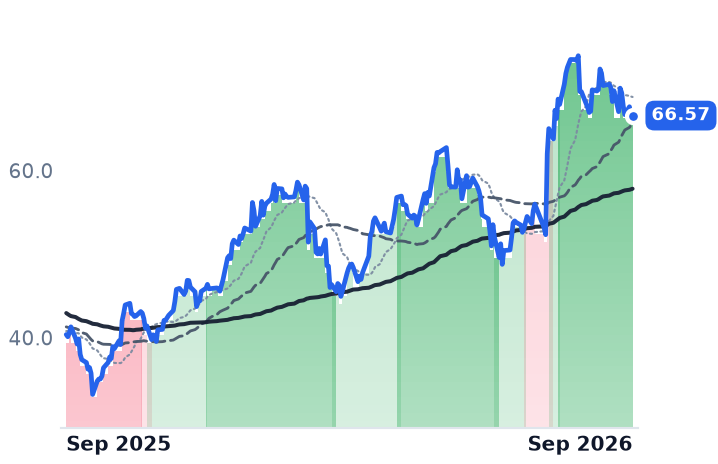
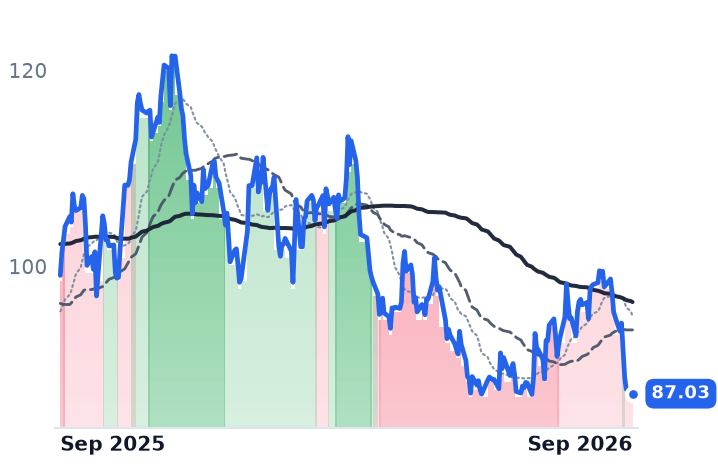
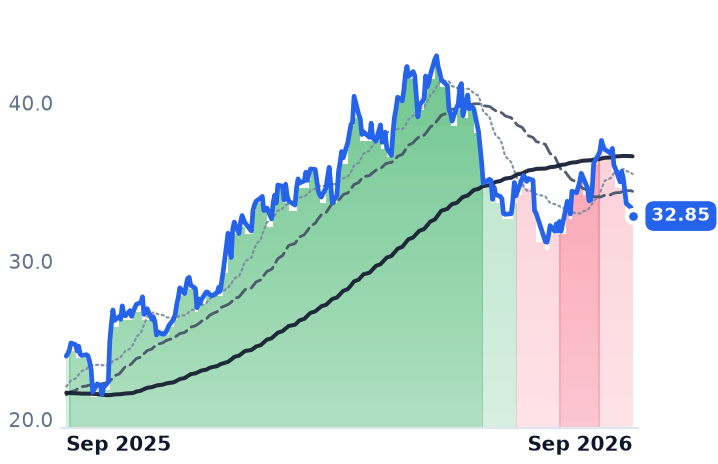
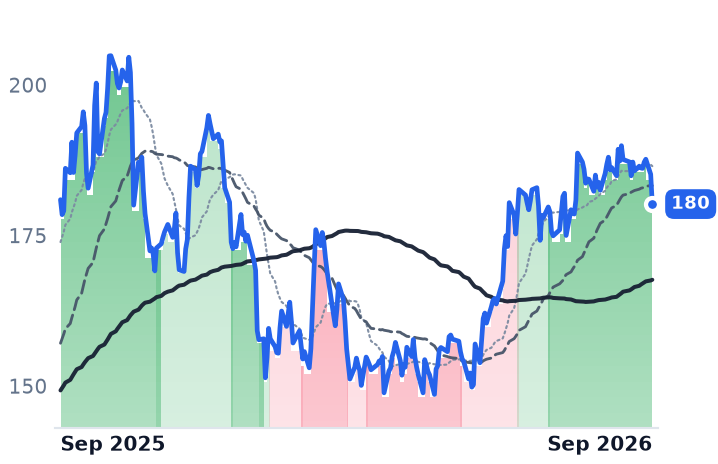
BL | BlackLine | Financial Services Software | 🔴 Cont. Bear | −12.0% | −48.3% |
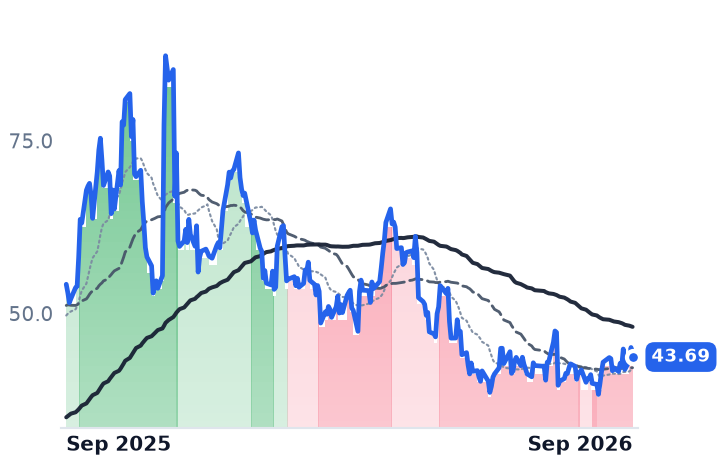
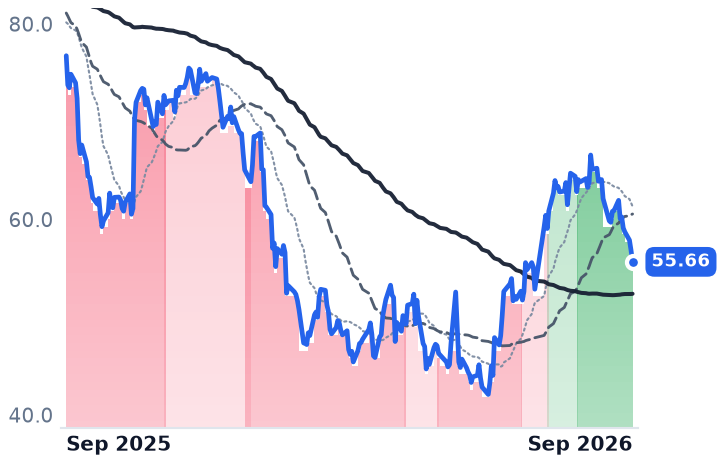
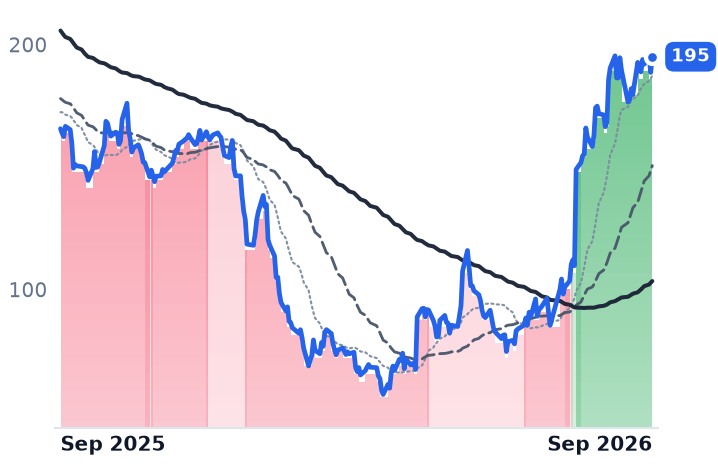
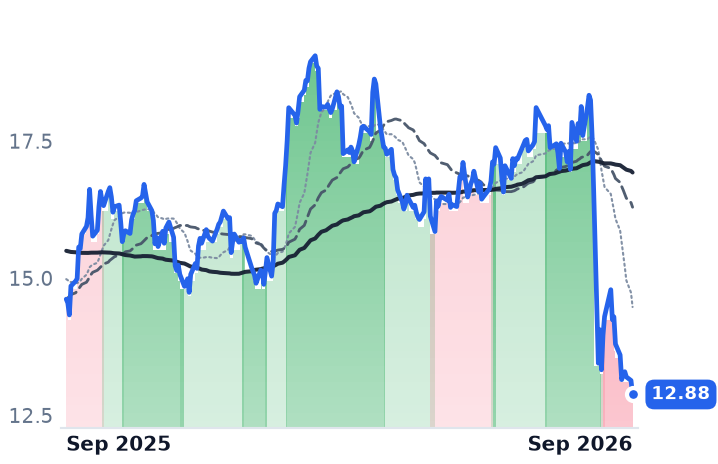
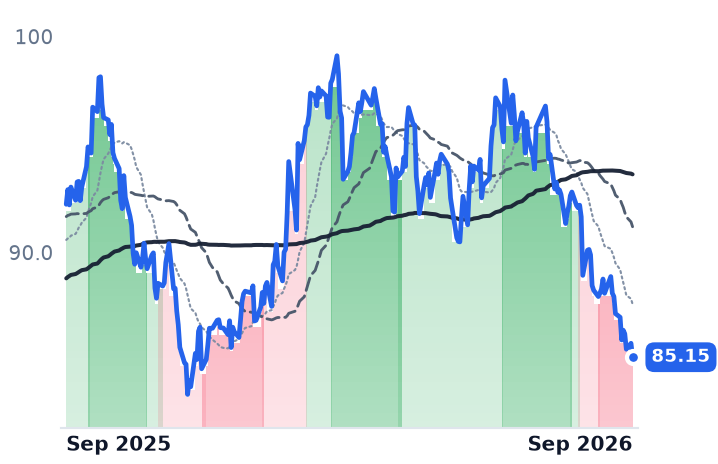
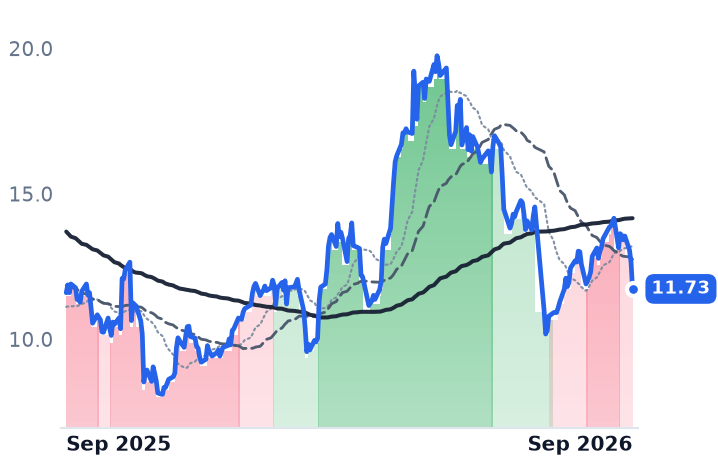
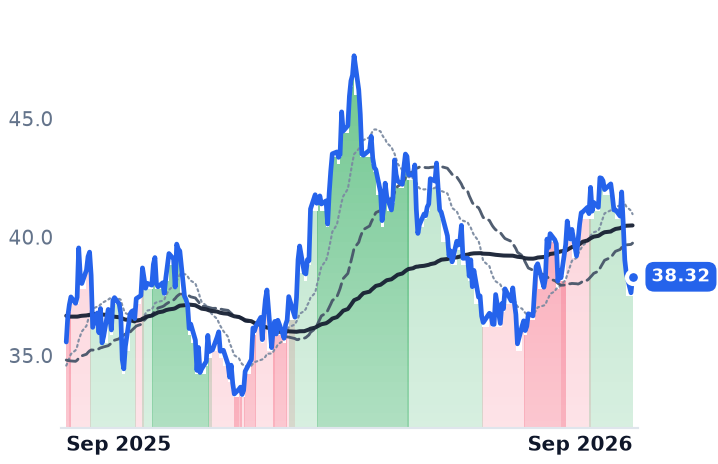
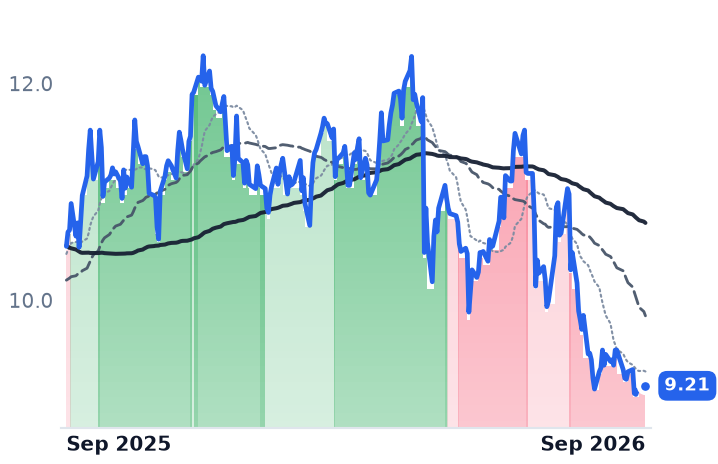
VERX | Vertex | Financial Services Software | 🔴 Cont. Bear | −14.3% | −53.5% |
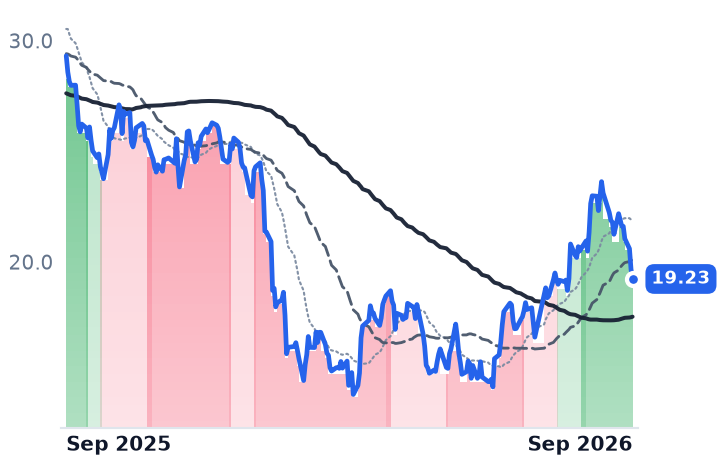
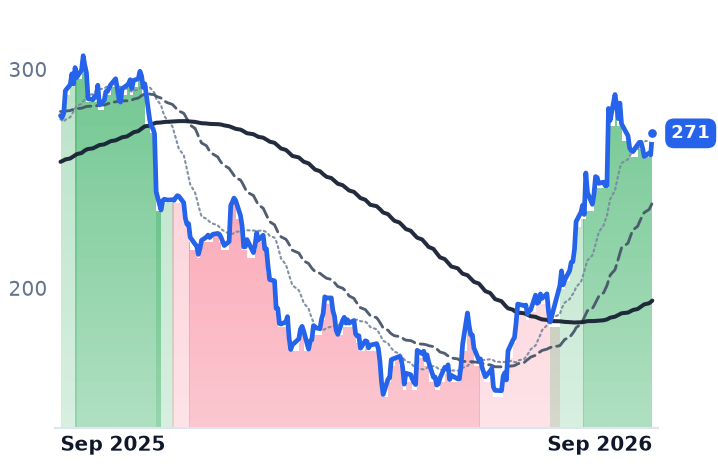
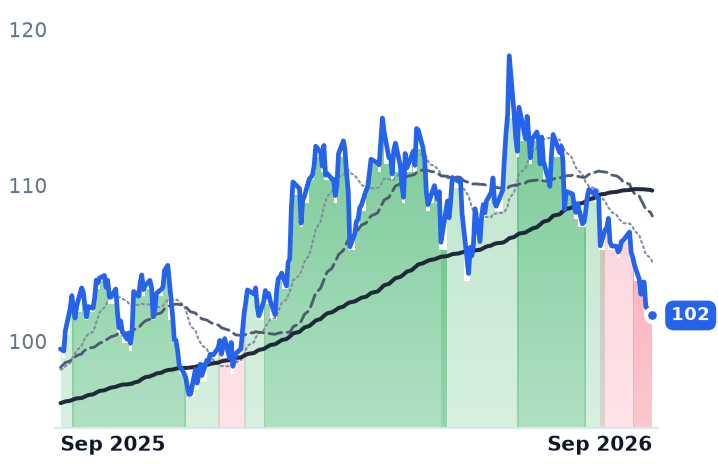
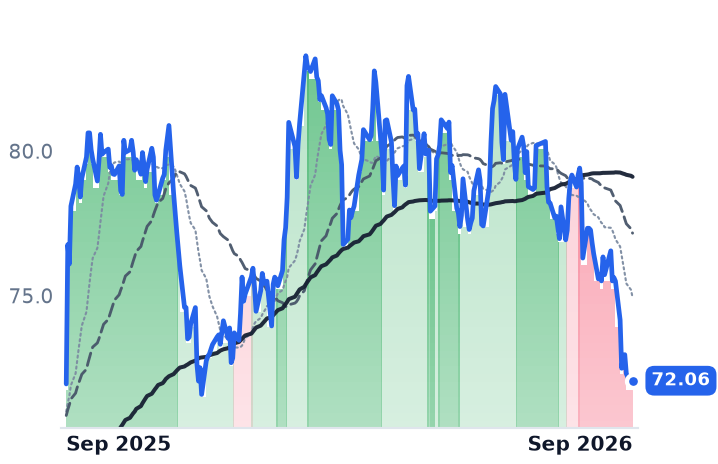
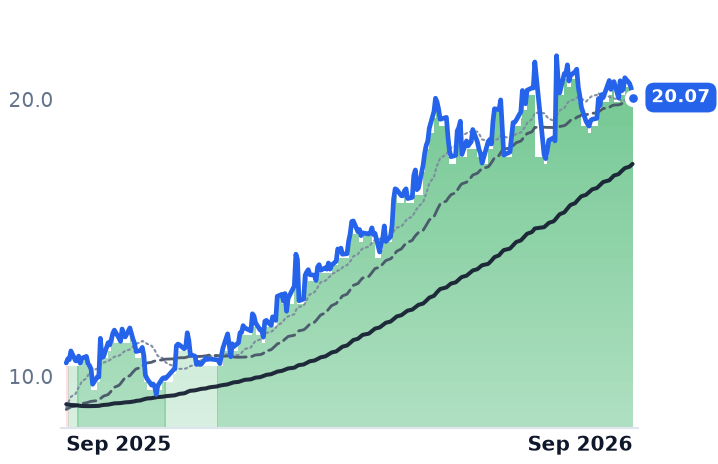
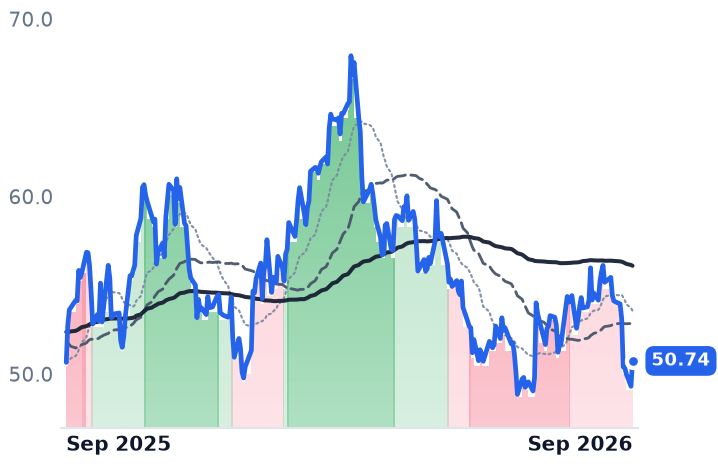
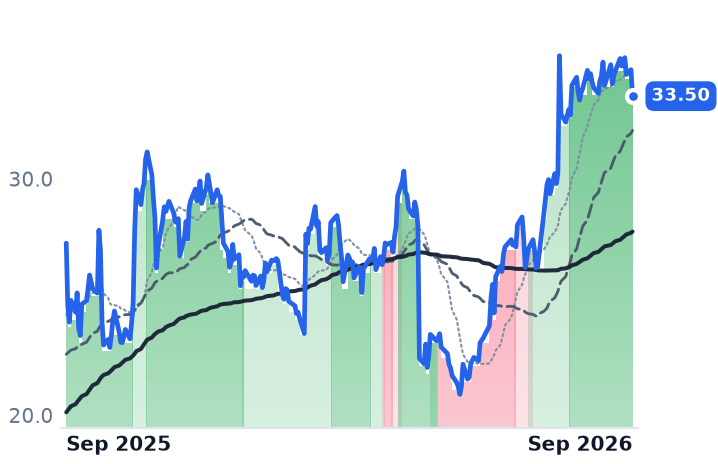
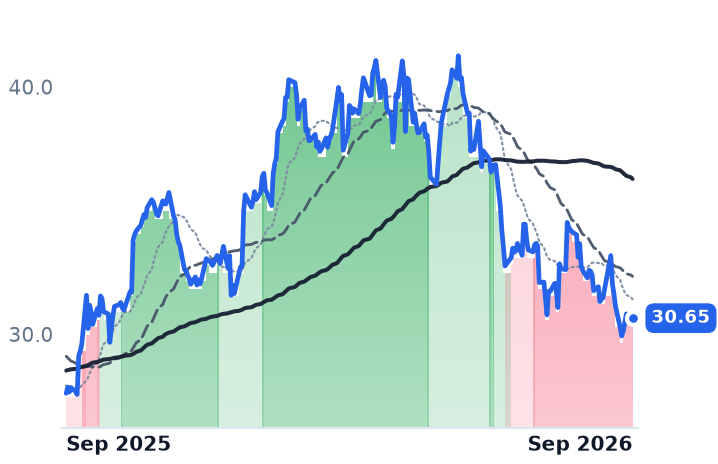
FICO | Fair Isaac | Financial Services Software | 🔴 Cont. Bear | −24.6% | −42.7% |
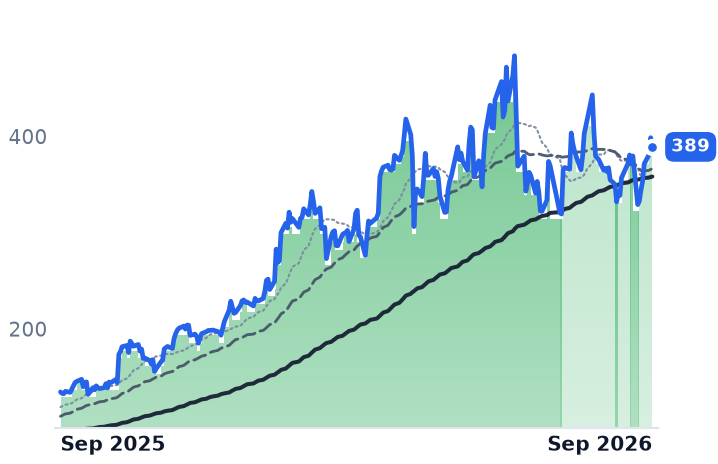
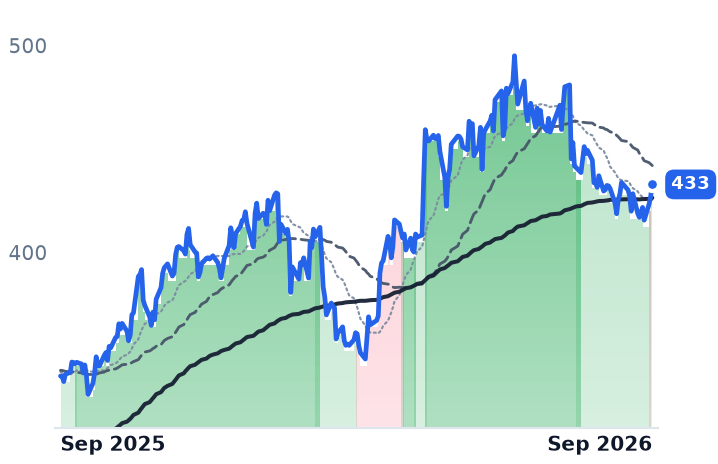
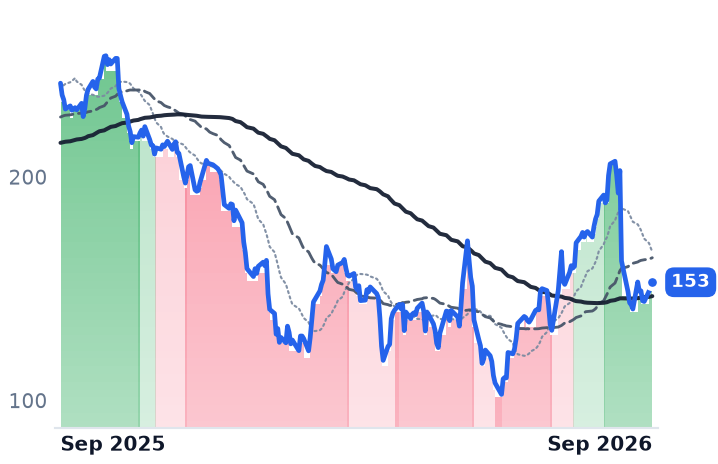
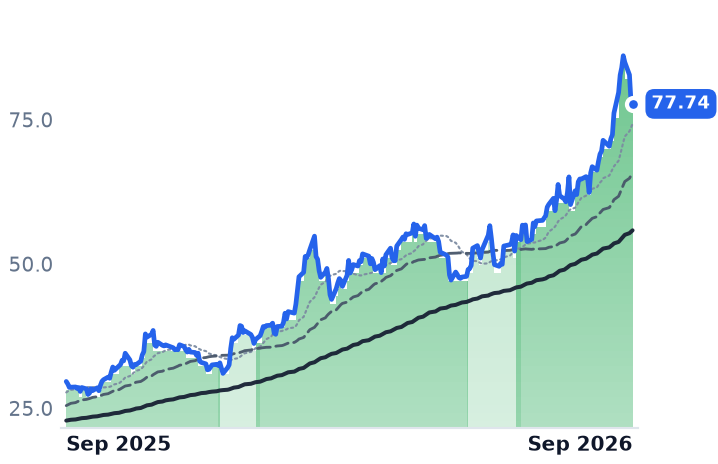
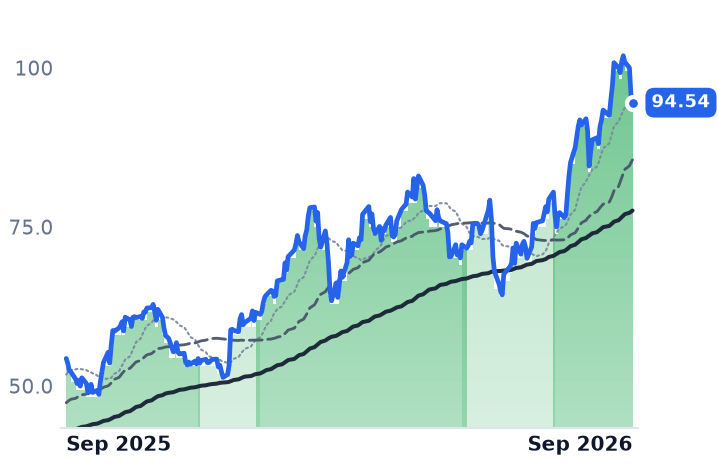
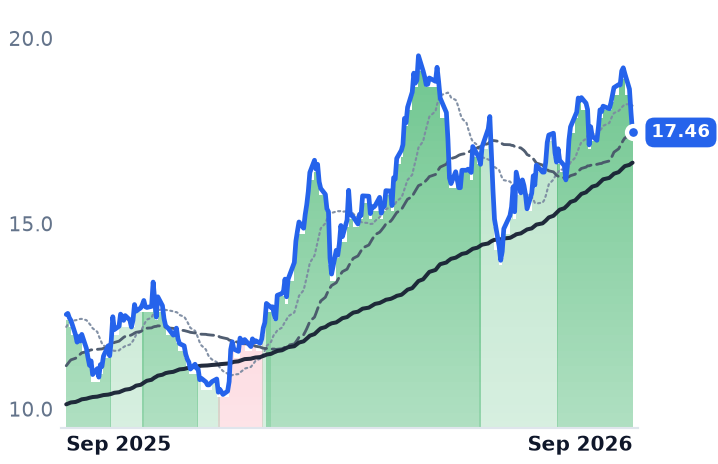
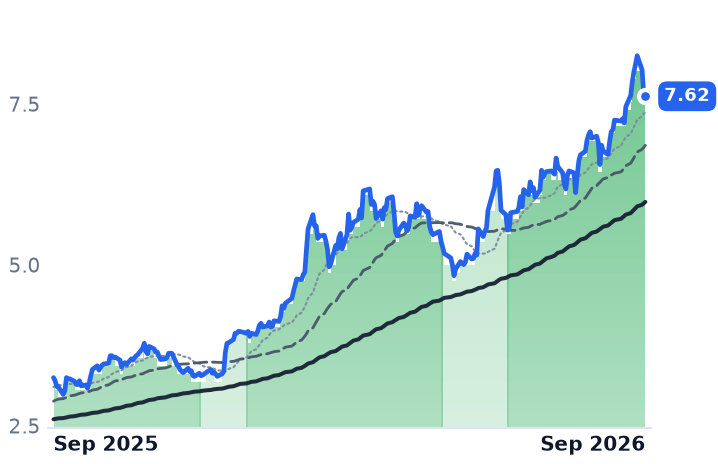
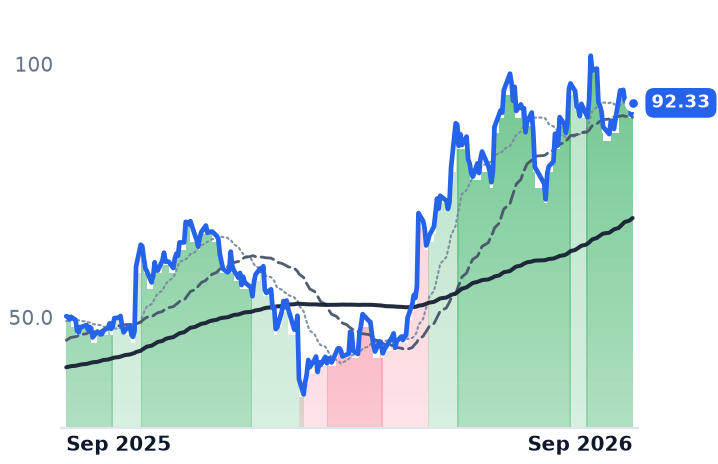
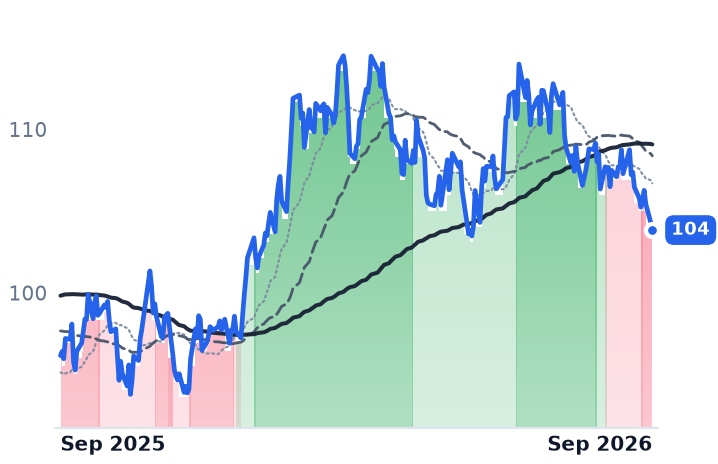
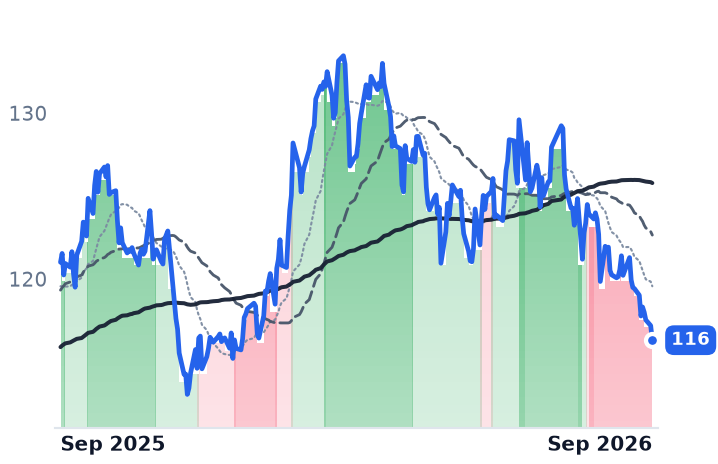
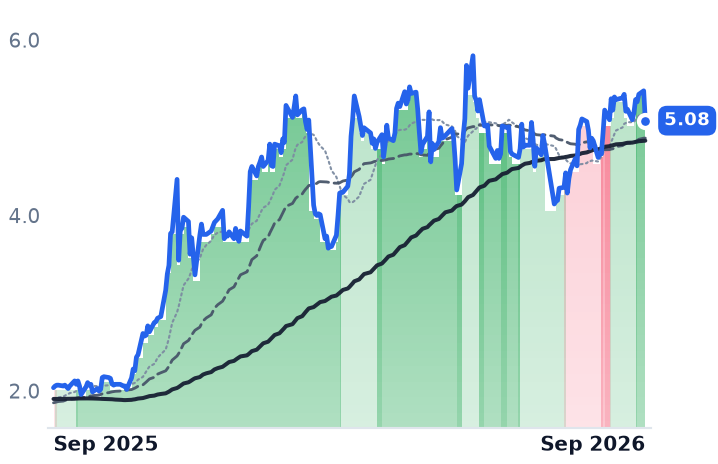
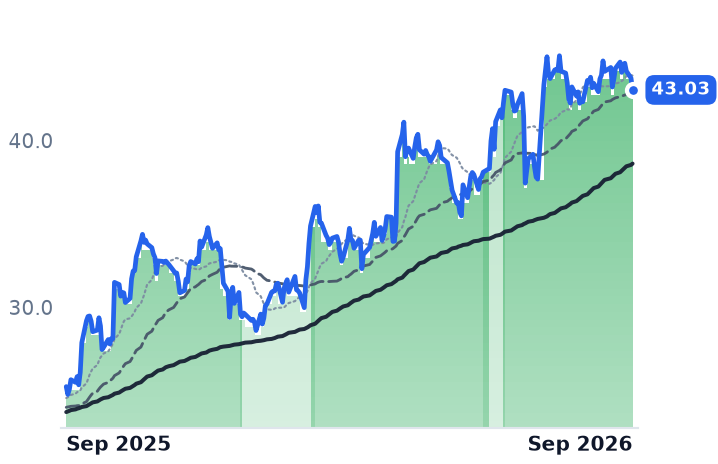
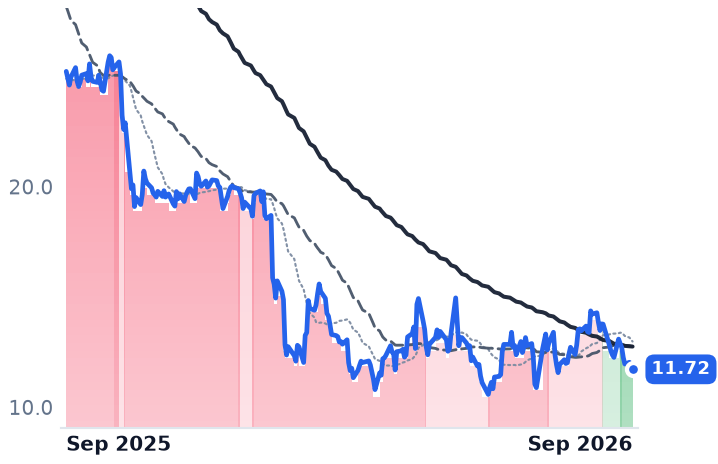
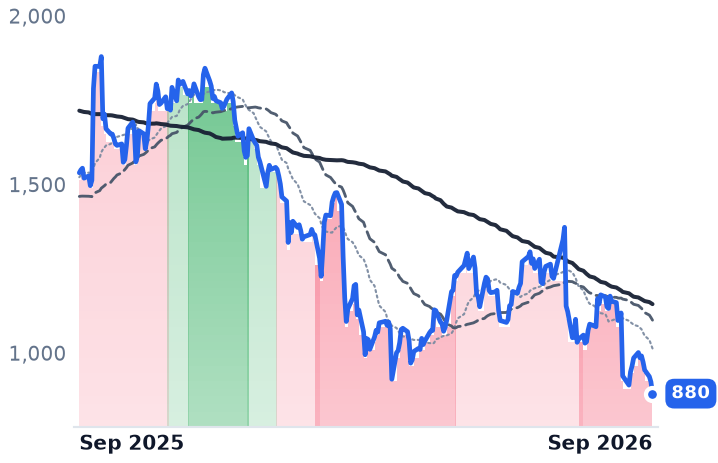
12-month price & trend
| Ticker | Mkt cap | P/E | P/E fwd | P/S | P/S fwd | P/GP | P/GP fwd | EV/EBITDA | FCF yld |
|---|---|---|---|---|---|---|---|---|---|
BL | $1.7B | 47.8x | 11.3x | 2.3x | 2.2x | 3.0x | 2.8x | 20.9x | 10.3% |
VERX | $1.9B | 383.0x | 14.3x | 2.4x | 2.3x | 3.9x | 3.7x | 59.2x | 3.1% |
FICO | $19.0B | 25.3x | 20.5x | 7.9x | 7.5x | 9.3x | 8.8x | 19.2x | 5.2% |
Consensus projections
| Ticker | FY2026E | FY2027E | FY2028E | |
|---|---|---|---|---|
BL | Revenue | +9.5% | +10.5% | +10.2% |
| EPS | +19.5% | +11.9% | +17.2% | |
VERX | Revenue | +10.6% | +10.5% | +11.6% |
| EPS | +28.4% | +24.0% | +21.0% | |
FICO | Revenue | +27.8% | +14.0% | +11.9% |
| EPS | +45.6% | +22.5% | +19.9% |
Forward fiscal years only. Blank means no analyst coverage for that year.
BlackLine sells the software corporate accounting departments use to close their books — account reconciliations, transaction matching, journal entries, intercompany accounting — and it used to sell that software by the head. It no longer does. More than 90% of its new customers now sign a platform contract that grants unlimited access with no cap on how many people can log in, and chief executive Owen Ryan said on the August 4 call that the shift reduces the contribution seat additions used to make in the near term, a trade the company is accepting to drive platform and AI adoption (call coverage).
The switch matters beyond BlackLine's own price list. The theory that has repriced application software all year holds that AI agents make headcount-based licensing obsolete, so anything billed by the seat is a melting asset. BlackLine pulled that meter out voluntarily and its shares have still lost roughly half their value over twelve months. Vertex, whose indirect-tax engine is billed against customers' transaction and invoice volumes rather than their staff counts, was the model that was supposed to be safe — and it fell more. Fair Isaac's per-pull mortgage-score royalty, repriced by a September regulatory directive, has a cause of its own and is a separate story; these two put the pricing mechanism itself on trial, and both now have second-quarter meters on the table.
The reported business improved
Every line of BlackLine's income statement got better in the quarter. Revenue of $187.8m grew 9.2% year on year, against 7.2% for full-year 2025. Gross margin held at 76.0%, operating income rose 45.7% to $11.0m — roughly five times the revenue growth rate — and net income nearly doubled. The company generated $36.5m of free cash flow and authorised another $100m of buybacks, against a trailing free-cash-flow yield of 10.3% on a $1.65bn market value. Its shares fetch 2.98x trailing gross profit, down from 3.47x in late July.
The forward book says something else. Annual recurring revenue of $719m grew 6%, about 7% stripping out currency, against the 13-16% revenue growth the company holds out as its ambition (quarterly deck). Dollar-based net revenue retention was 102.4%, the enterprise renewal rate 95%, and the middle-market customer count is still falling. Ryan also said AI evaluations have made large enterprise deals harder to predict, as finance, security and governance teams assess them together (call summary). Reported revenue is the lagging meter here and recurring revenue the leading one, and they point in opposite directions.
Metered to transactions, and down more
Vertex sells the tax determination engine that lives inside someone else's SAP or Oracle system, with pre-built integrations, compliance and returns processing around it. Priced against the customer's transaction and invoice volumes, jurisdictions and connections, its revenue compounds with its customers' order counts. Recurring revenue reached $703.4m, up 10.5%, with average recurring revenue per direct customer of $142,997, up 9.2%, and net revenue retention of 105%. Cloud revenue of $101.7m grew 17.9% and is now about half the total — and hosting that engine costs margin: gross margin was 64.4% against 65.7% a year earlier, and 60.7% for full-year 2025 against 63.9% in 2024.
"The consistency of our first-half results and the strength of our operating model increased our confidence in the full year, allowing us to narrow our revenue guidance range while raising our adjusted EBITDA outlook," chief financial officer John Schwab said on August 3. What investors took instead was the third-quarter guide of $208-211m, below the roughly $211.7m consensus; the shares fell 12.8% after the report. Growth has flattened from 16.5% in 2024 to 12.2% in 2025 to about 10.5% now, Jefferies and Morgan Stanley both cut their ratings during the slide, and David DeStefano handed the chief executive's job to Microsoft's Christopher Young effective 10 November 2025. Vertex fights Thomson Reuters' ONESOURCE for the enterprise socket, Avalara from below and Sovos in electronic invoicing, with SAP migrations the trigger for head-to-head contests. The engine itself is not the vulnerable part — it "needs to be right 100 times out of 100, 1,000 out of 1,000," the company told Goldman Sachs' September technology conference, which is why the core stays deterministic. The timing of the demand is the risk: Vertex points to France's mandate taking effect in September 2026, while France postponed the issuance obligation for large and mid-sized firms to September 2027, leaving only an obligation to receive this year. The shares trade at 3.70x forward gross profit, still about 30% above BlackLine's 2.85x, and roughly 9x the $206-210m of adjusted EBITDA guided for this year.
Neither chart supports the rebound reading. Vertex closed at $11.72, below both its 50-day average of $12.76 and its 200-day average of $14.28, despite a 7.3% gain since late June. BlackLine at $28.13 sits below its own averages of $30.40 and $36.94, inside a 52-week range of $25.23 to $58.83, and its downtrend deepened this week. Over the past month Vertex fell 14.3% and BlackLine 12.0%.
What each one earns
Vertex earns most of its de-rating: growth that stopped accelerating, retention of 105%, a guide below consensus, a chief executive in his first year and a gross margin that falls as cloud mix rises. BlackLine's is the harder case. Nothing in its reported accounts explains a halving — margins widened, cash grew, revenue growth rose rather than fell — and the 6% recurring-revenue print is the one number that does. The conclusion the evidence supports is that this market prices the rate of change in recurring revenue and ignores the billing mechanism behind it: metering to transactions gave Vertex no shelter, and removing the seat meter earned BlackLine no credit.
It also cost BlackLine its clearest signal. The platform bet lands in recurring revenue long before it reaches the income statement, so the next recurring-revenue print, not the next set of reported earnings, decides whether uncapped contracts bought a platform or gave one away.