
Snowflake Collects No Storage Revenue on Externally Managed Iceberg Tables
Hypothesis Opus 5 · Research Opus 5 · Writing Opus 5 · Prompt v1.6
Snowflake's whole economic design rested on customer data living in a proprietary format that only Snowflake's own compute could read. Its documentation now prices the opposite arrangement: for externally managed Apache Iceberg tables the bytes sit in the customer's object storage, billed by the customer's cloud provider, and from the second half of this year an outside engine can read them through Snowflake's catalog for half a credit per million calls.
The business underneath is genuinely accelerating — product revenue grew 34% last quarter, net revenue retention rose to 126%, and contracted backlog grew 38% to $9.21bn. What nothing yet explains is a price that has doubled against gross profit since early May while gross margin slipped from its 67.8% peak. Snowflake has never disclosed storage revenue or Iceberg workload share, so the capture question cannot be settled from outside.
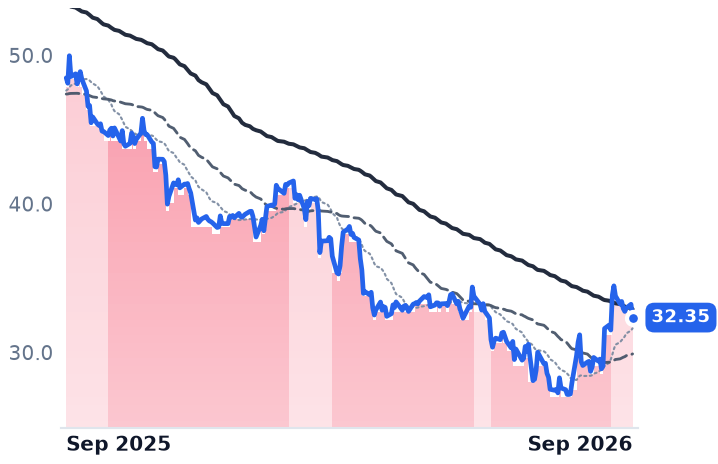
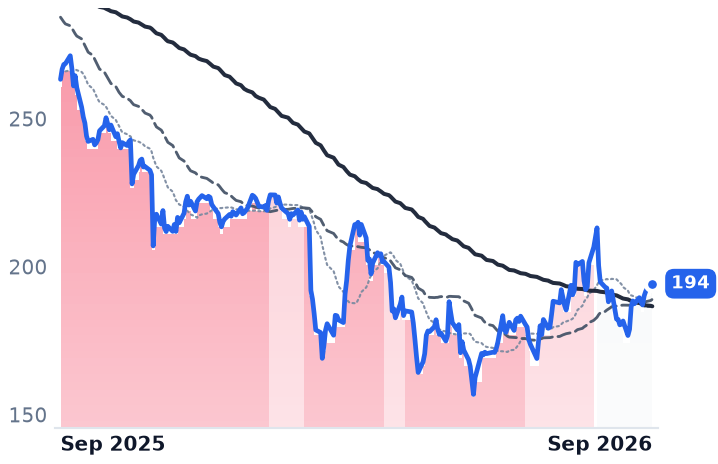
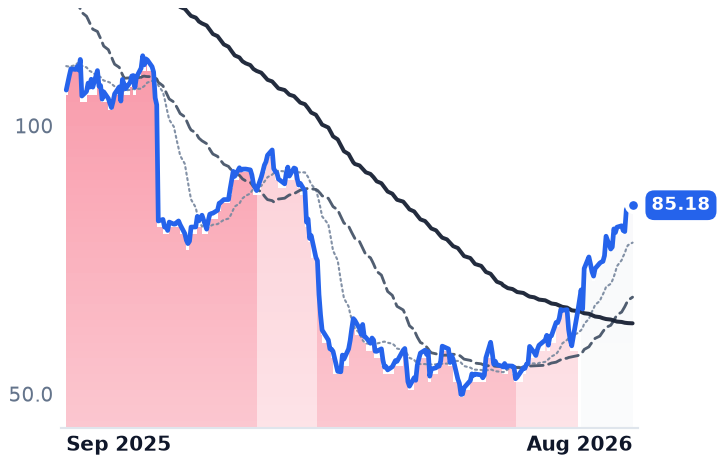
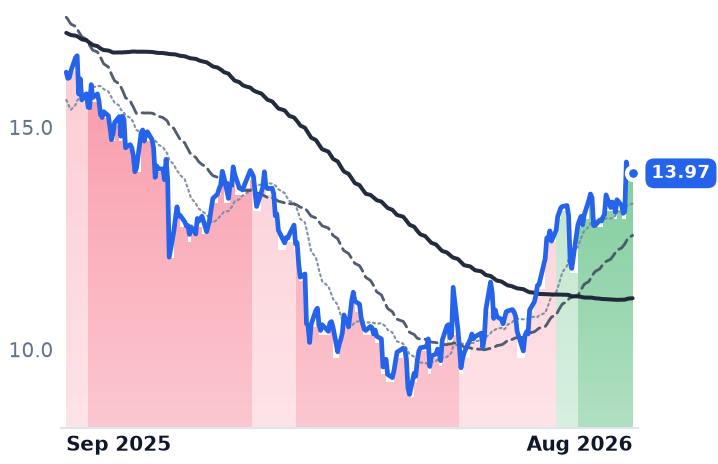
| Ticker | Company | Segment | Trend · 13mo | 30D | 1Y |
|---|---|---|---|---|---|
| The subject · what this brief is about | |||||
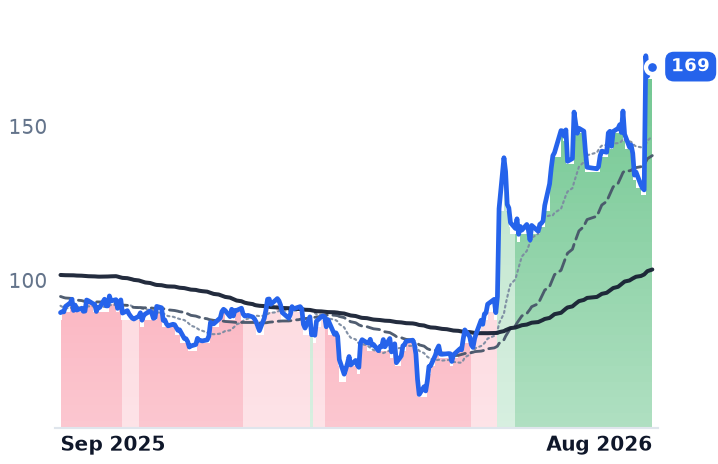
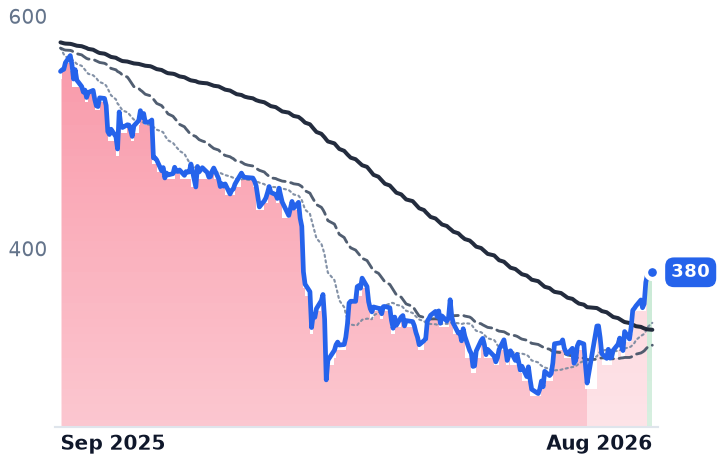
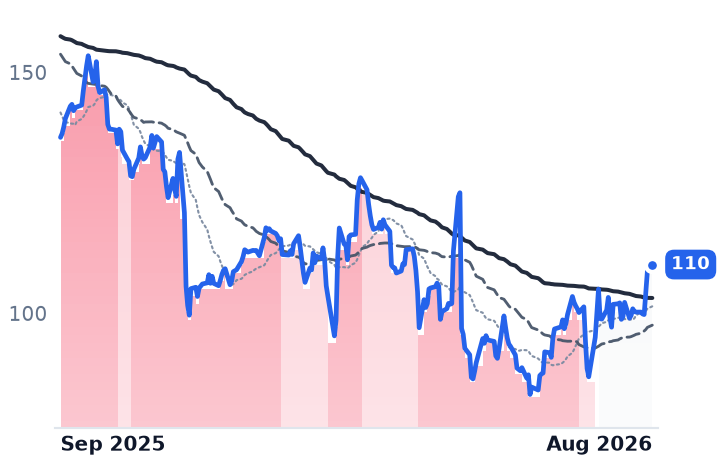
SNOW | Snowflake | Data & Analytics Platforms | 🌱 Emerging Bull | +3.7% | +36.5% |
| Compared against · context, not the story | |||||
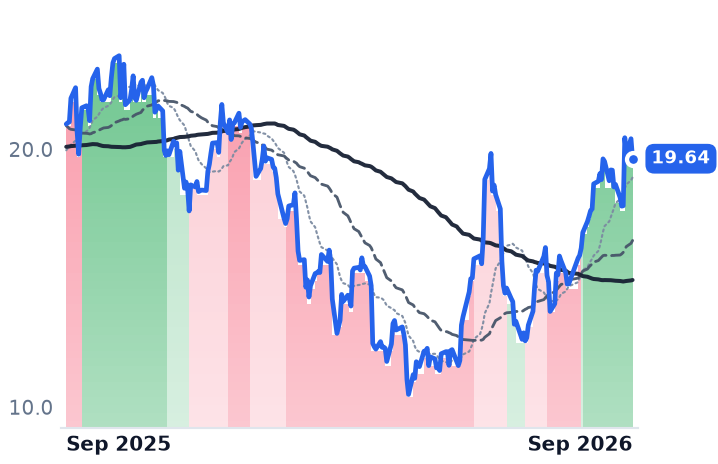
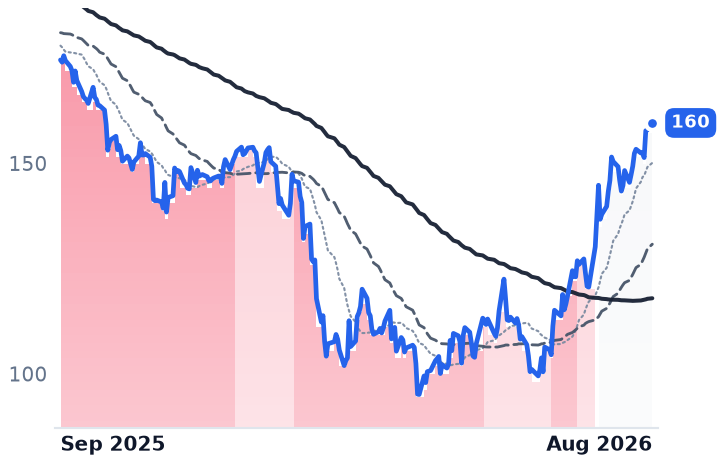
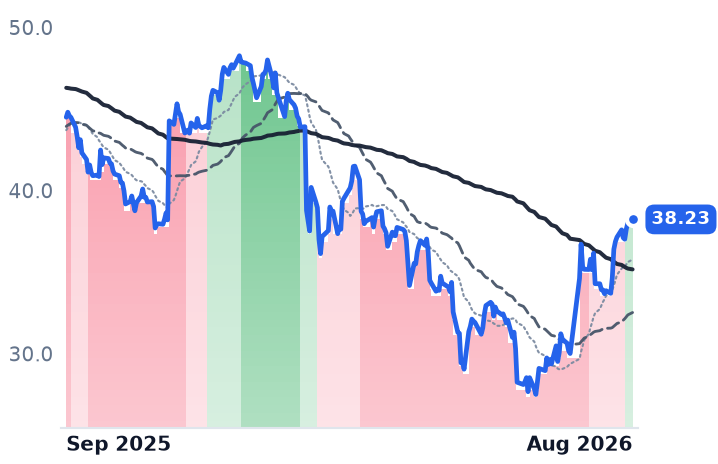
MDB | MongoDB | Data Management & Analytics | 🟢 Cont. Bull | +21.3% | +36.4% |
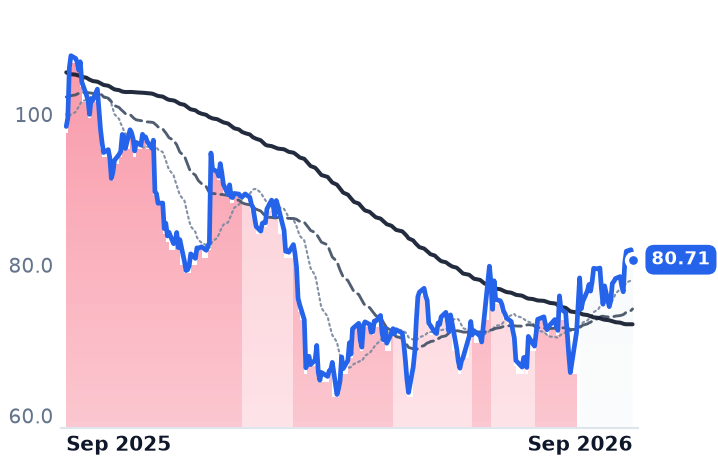
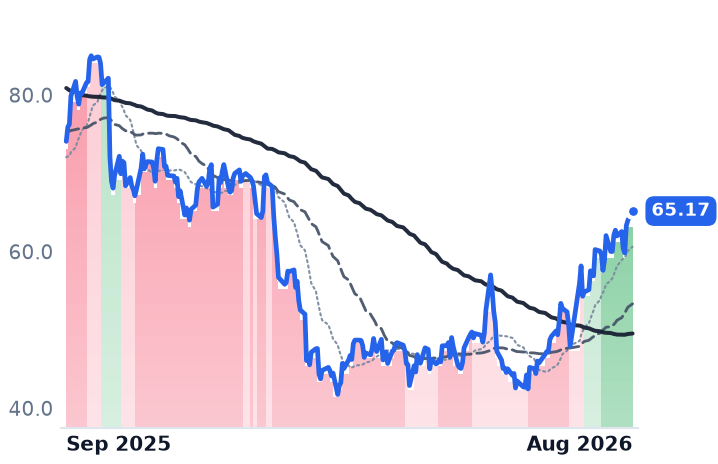
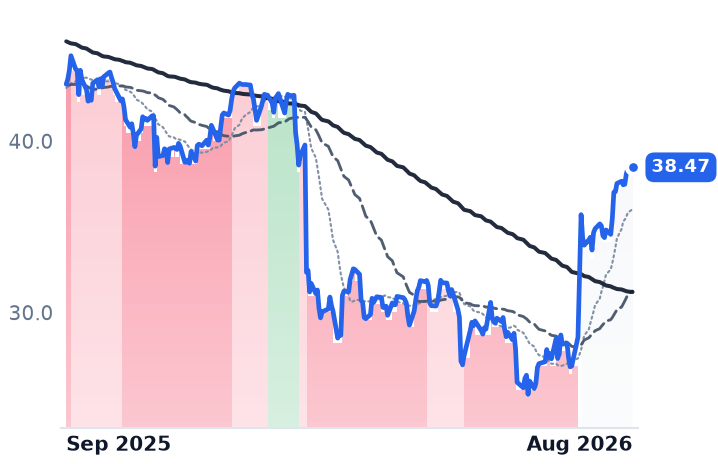
DDOG | Datadog | Data & Analytics Platforms | 🌱 Emerging Bull | −17.7% | +67.1% |
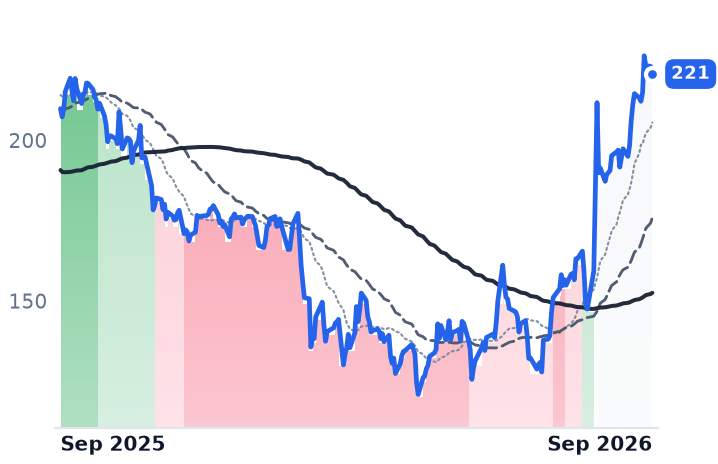
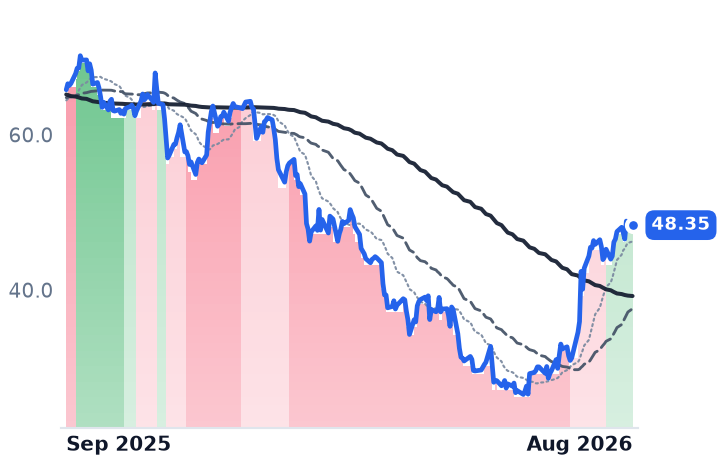
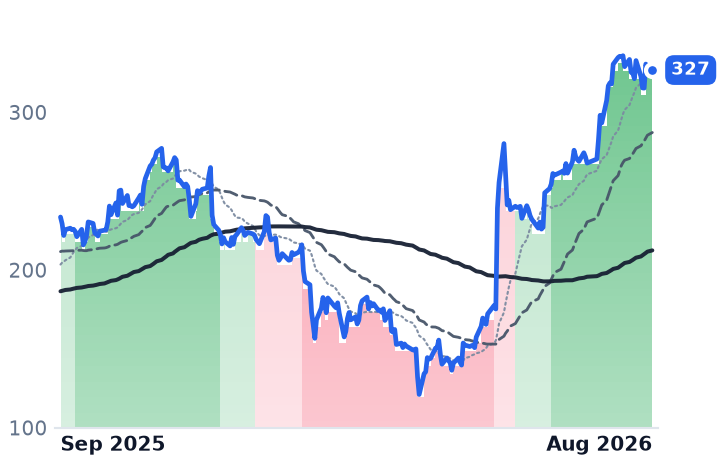
ESTC | Elastic | Data & Analytics Platforms | 🌱 Emerging Bull | +34.6% | +9.9% |
TDC | Teradata | Data Management & Analytics | 🟢 Cont. Bull | −11.2% | +37.5% |
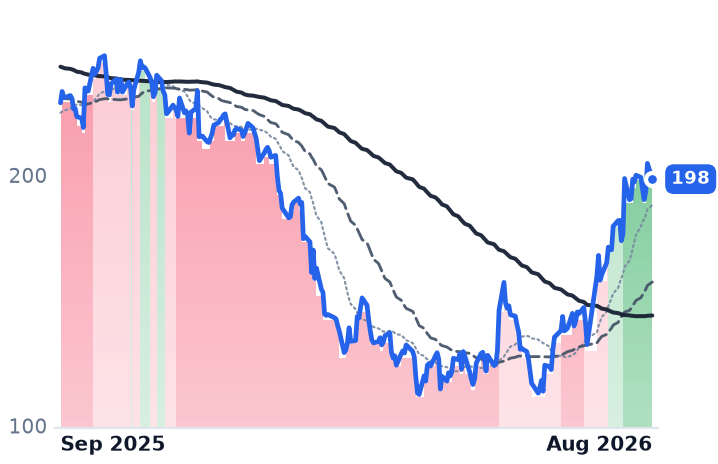
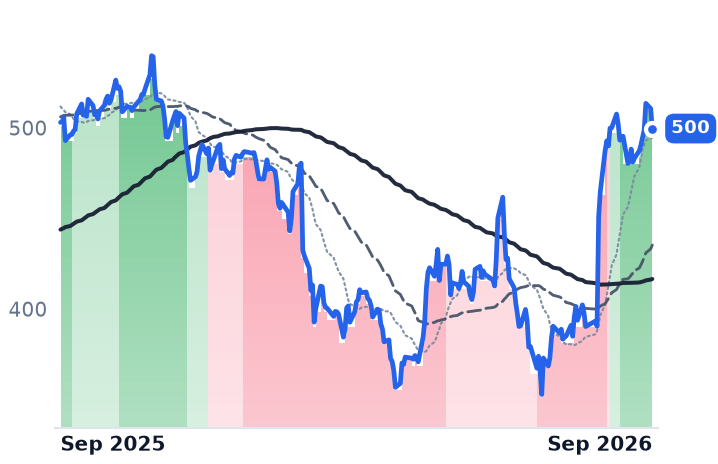
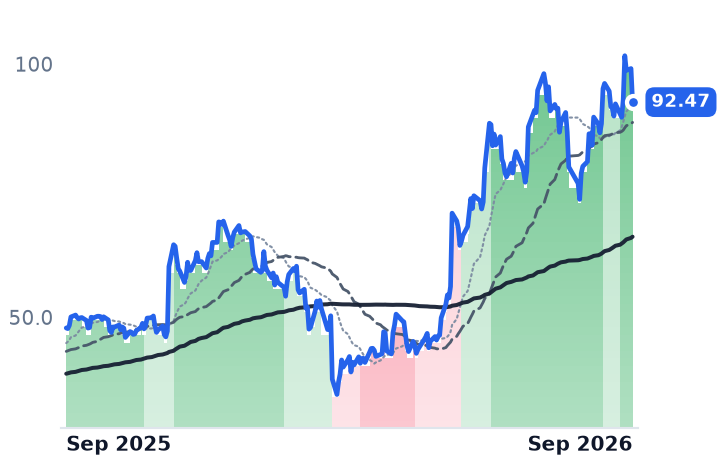
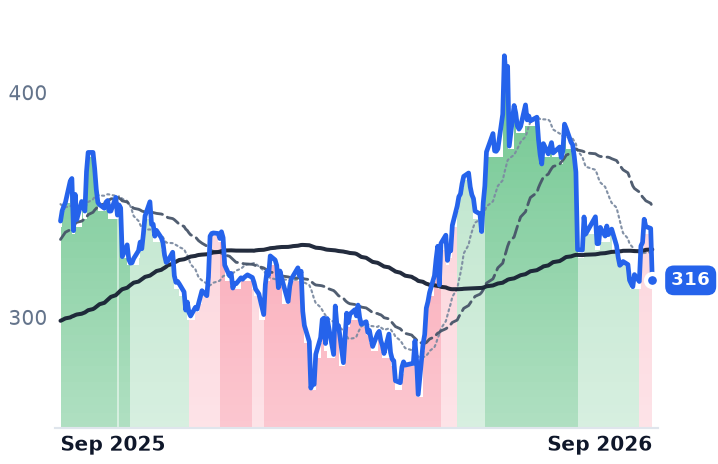
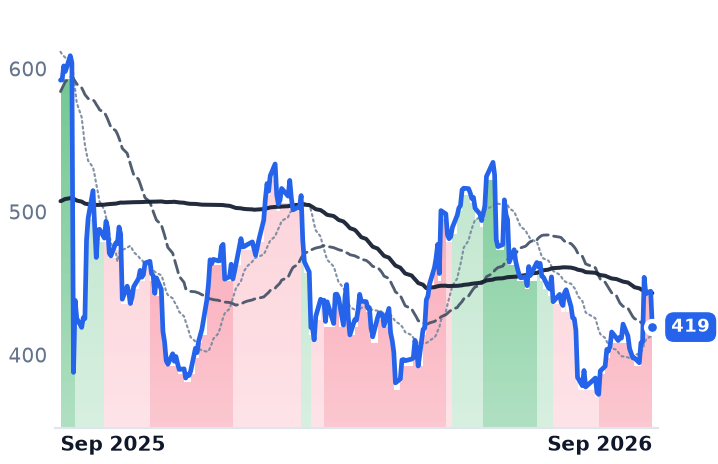
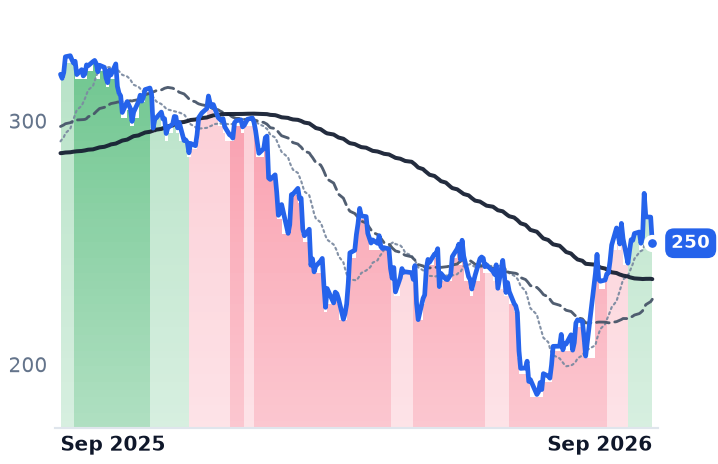
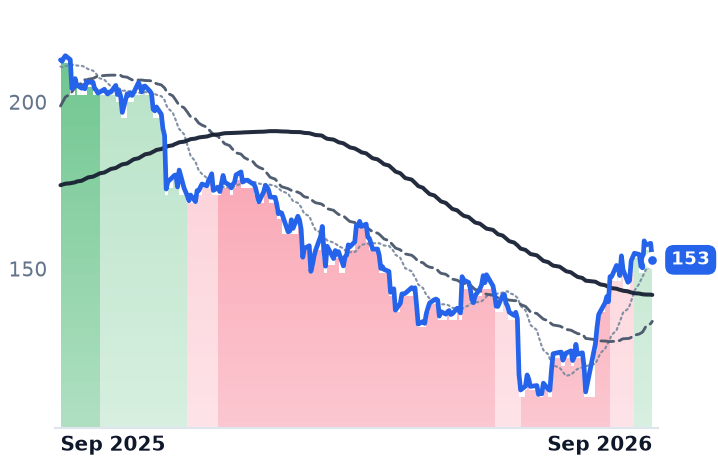
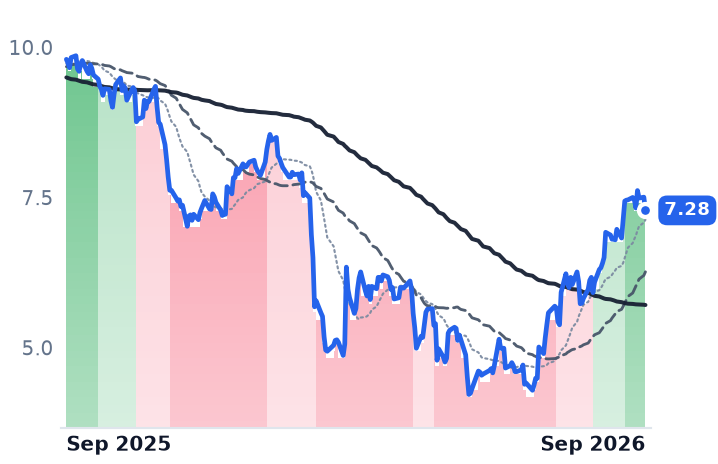
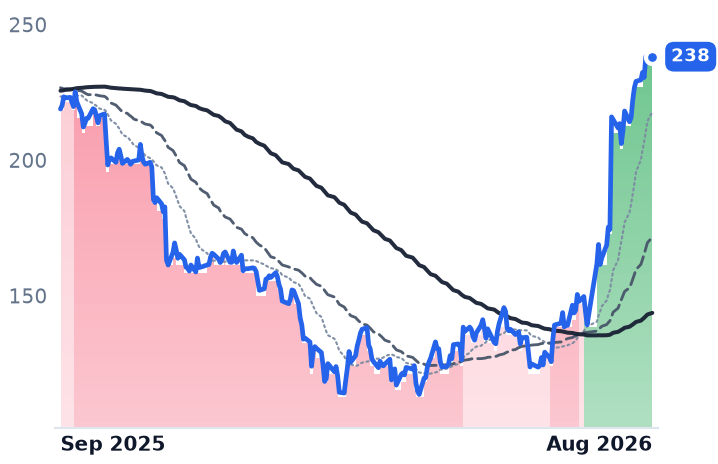
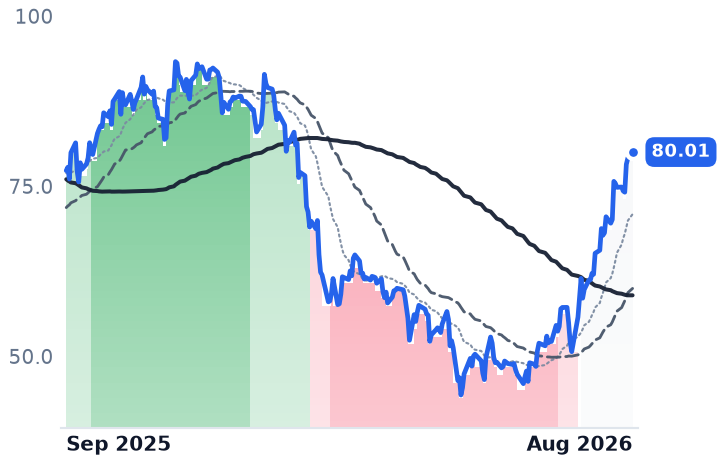
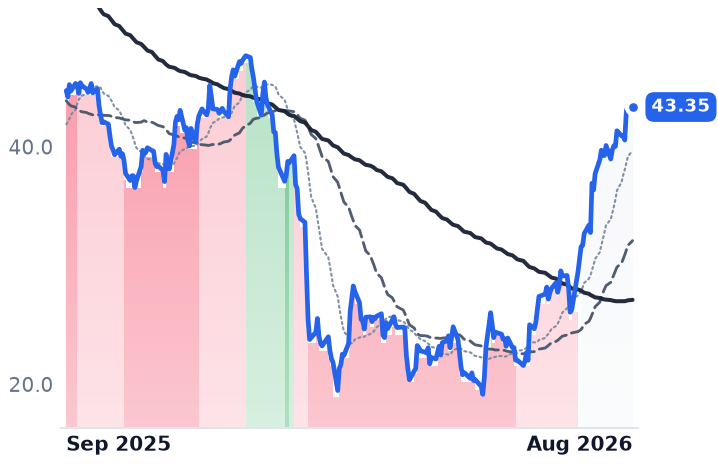
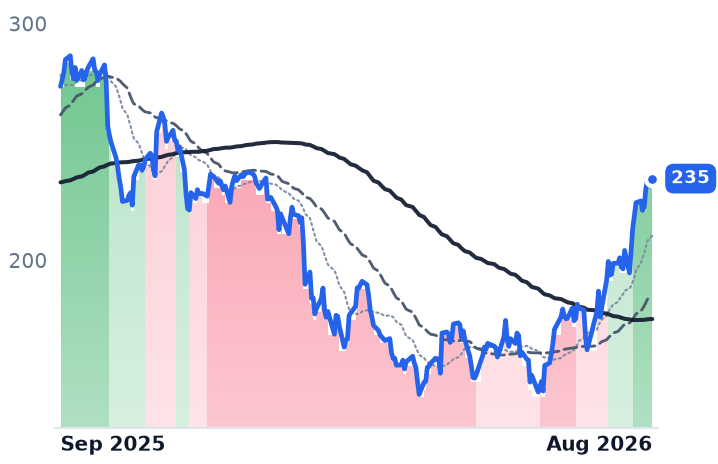
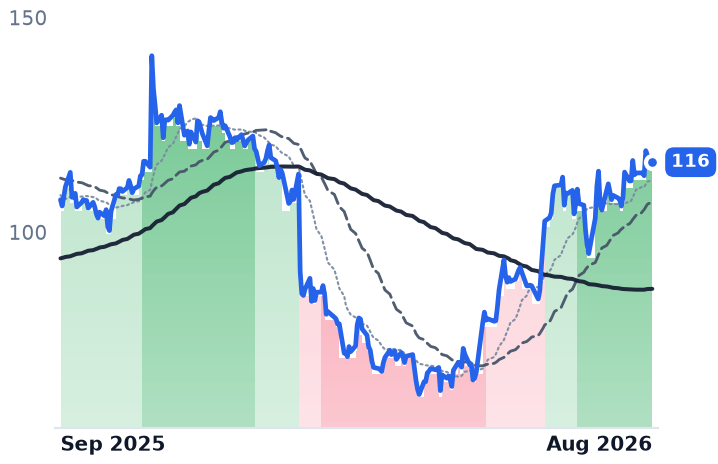
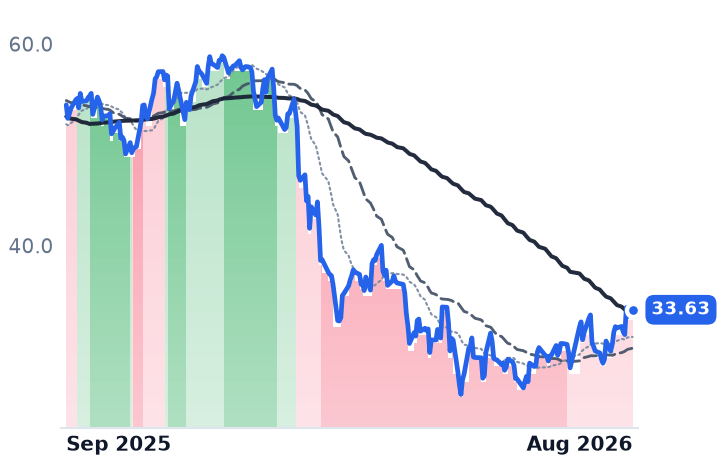
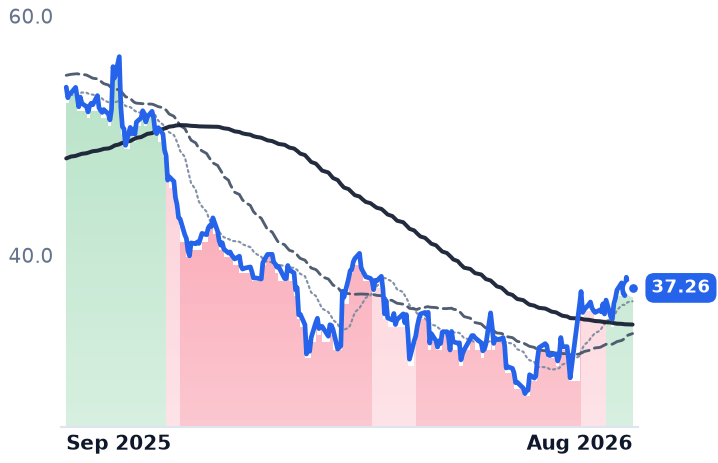
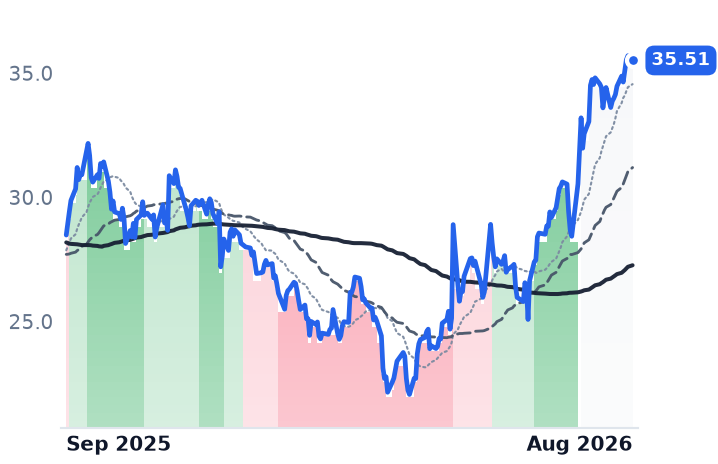
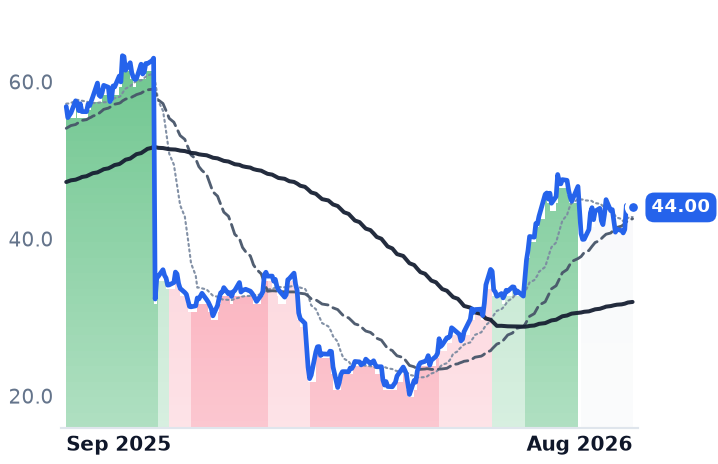
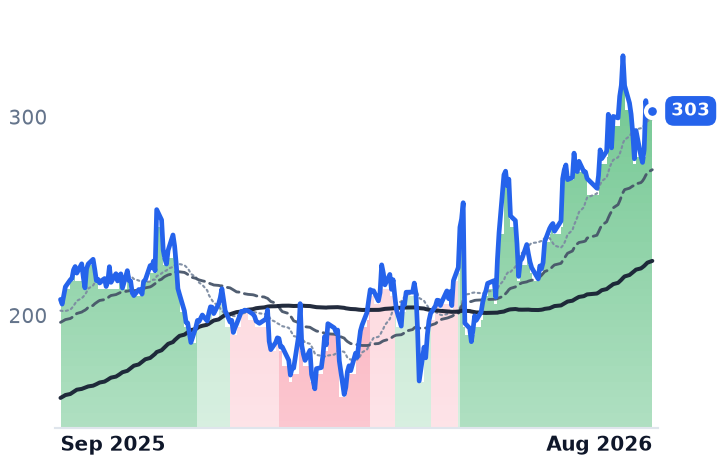
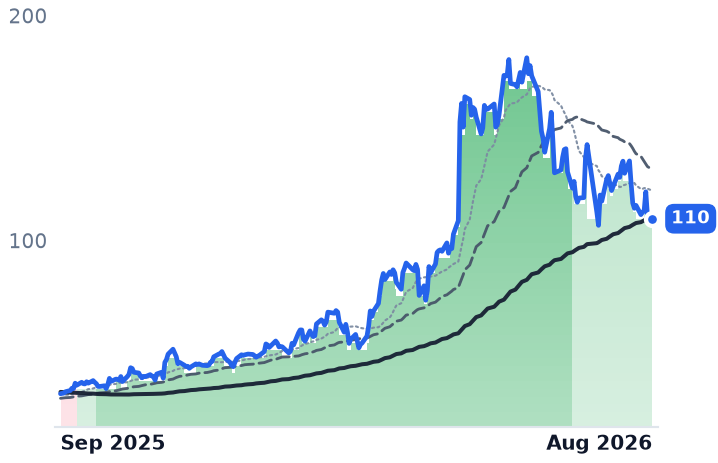
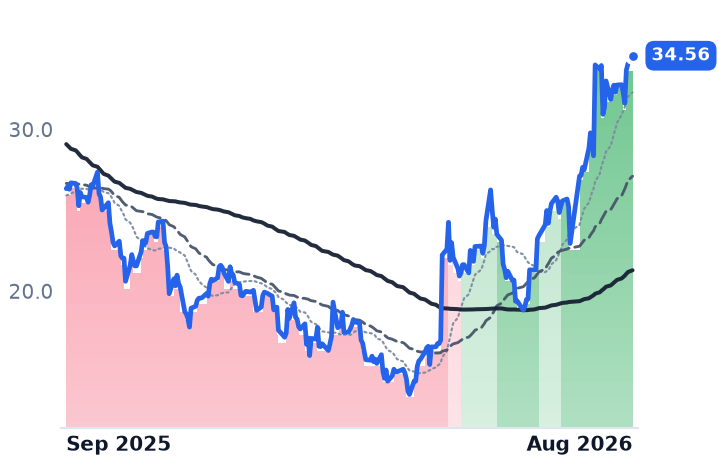
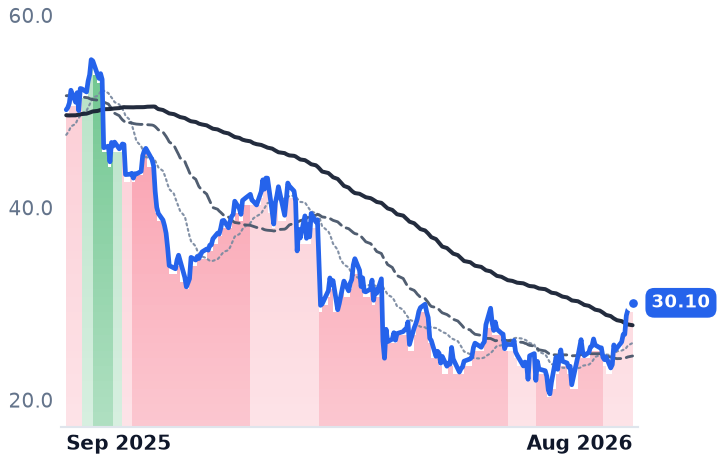
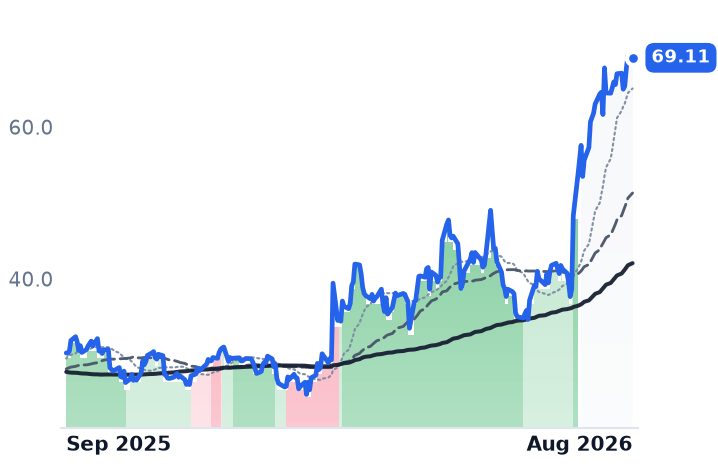
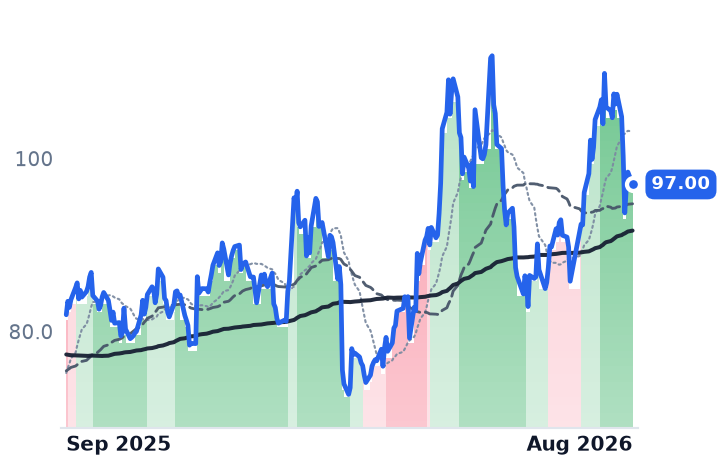
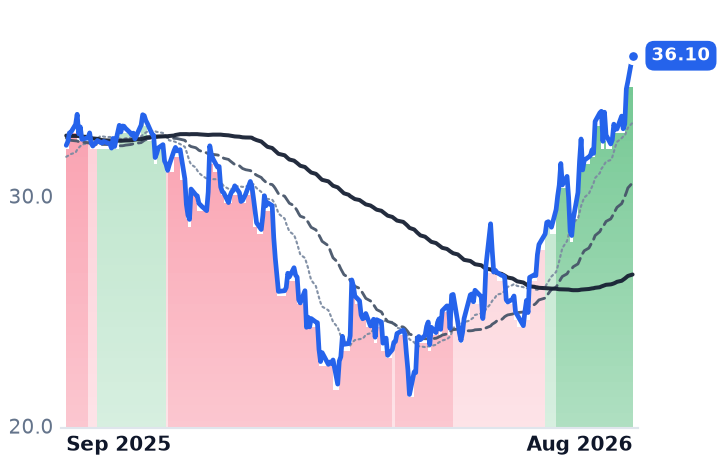
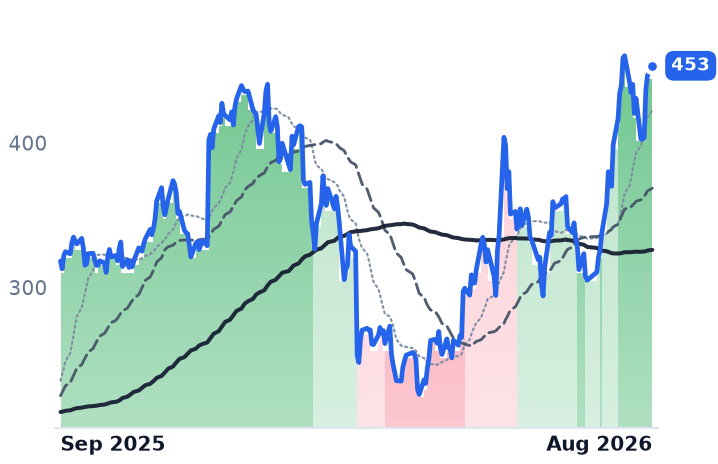
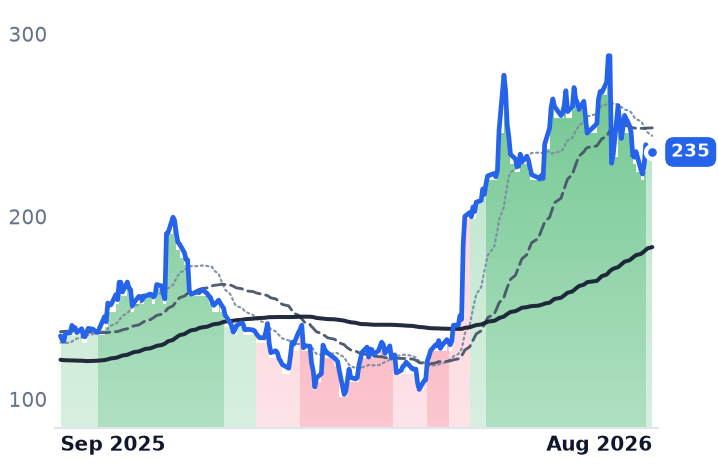
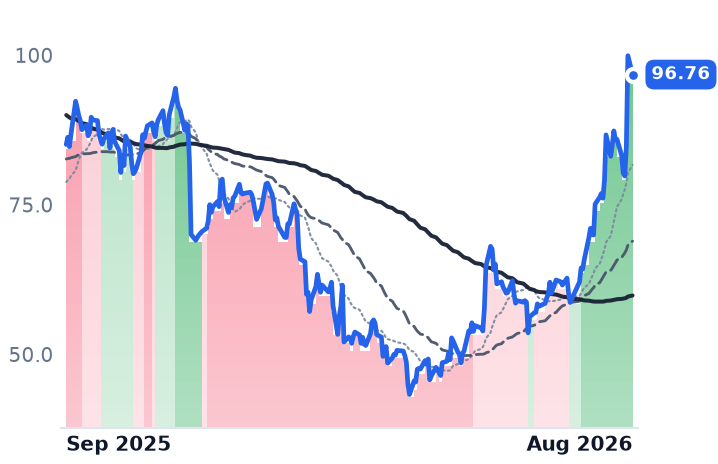
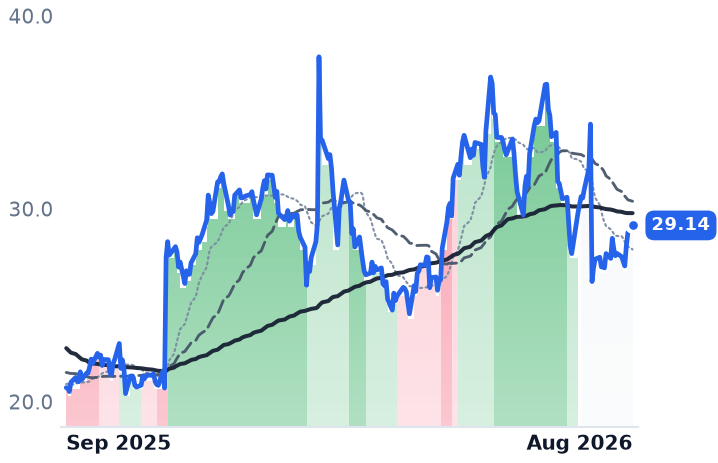
12-month price & trend
| Ticker | Mkt cap | P/E | P/E fwd | P/S | P/S fwd | P/GP | P/GP fwd | EV/EBITDA | FCF yld |
|---|---|---|---|---|---|---|---|---|---|
SNOW | $110.8B | n/m | 165.3x | 22.0x | 18.2x | 32.8x | 27.0x | n/m | 1.1% |
MDB | $36.5B | n/m | 74.0x | 14.0x | 12.3x | 19.5x | 17.1x | — | 1.6% |
DDOG | $80.3B | 453.9x | 89.2x | 20.3x | 18.0x | 25.5x | 22.6x | 308.4x | 1.4% |
| Ticker | Mkt cap | P/E | P/E fwd | P/S | P/S fwd | P/GP | P/GP fwd | EV/EBITDA | FCF yld |
|---|---|---|---|---|---|---|---|---|---|
ESTC | $10.1B | 27.0x | 29.1x | 5.6x | 5.1x | 7.5x | 6.7x | 155.2x | 3.4% |
TDC | $2.6B | 5.6x | 10.2x | 1.5x | 1.6x | 2.5x | 2.6x | 3.2x | 28.6% |
Consensus projections
| Ticker | FY2026E | FY2027E | FY2028E | |
|---|---|---|---|---|
SNOW | Revenue | +29.4% | +31.1% | +26.0% |
| EPS | +72.3% | +59.6% | +42.0% | |
MDB | Revenue | +23.1% | +21.5% | +18.0% |
| EPS | +59.1% | +27.3% | +19.7% | |
DDOG | Revenue | +31.8% | +22.4% | +23.0% |
| EPS | +25.3% | +17.0% | +22.2% | |
ESTC | Revenue | +17.6% | +15.6% | +14.6% |
| EPS | +30.3% | +32.3% | +17.4% | |
TDC | Revenue | +0.3% | +1.3% | +2.1% |
| EPS | +12.6% | +7.5% | +11.2% |
Forward fiscal years only. Blank means no analyst coverage for that year.
The format Snowflake used to own
Snowflake's product documentation now prices, in plain terms, the arrangement its business model was built to make impossible. For an externally managed table in Apache Iceberg — the open storage format that has become the industry standard for large analytic datasets — the data files and the Iceberg metadata sit in the customer's own cloud object storage, paid for by the customer to their own cloud provider. Snowflake bills only the compute and cloud services used to process queries. On that data it collects no storage revenue whatsoever.
That is the smaller half. Snowflake's Horizon Catalog lets Spark, Trino, Flink or a hyperscaler engine read those same tables directly, and billing for the catalog interface is scheduled to begin in the second half of 2026 at 0.5 credit per million calls, charged as cloud services. When somebody else's engine serves the query, Snowflake earns fractions of a credit per million calls in place of the warehouse credits the same query would have burned inside its platform. Storage was never the money; the compute chained to the storage was, and the chain is now optional. Snowflake made Iceberg version 3 generally available at its June Summit and built two-way interoperability into the catalog — conceding the format and defending the catalog and governance layers instead.
What cannot be counted
How much of Snowflake's book already runs this way is unknowable from outside. The company reports product revenue as a single consumption figure covering compute, storage and data transfer, does not break out storage, and has never quantified external-table workload share. Databricks, its closest rival for the same analytics and machine-learning workloads and still private, reached roughly $7bn of annualized revenue in July, up more than 80% — it owns Tabular, founded by Iceberg's creators, and can point its engine at the same bytes.
What can
The measurable part is good and getting better. Total revenue growth ran 28.7%, then 30.1%, then 33.5% across the last three reported quarters; product revenue reached $1.33bn, up 34%, with remaining performance obligations of $9.21bn, up 38%. Net revenue retention rose to 126%, and 779 customers now spend more than $1m a year, 29% more than a year ago. Roughly half that backlog converts within twelve months, so contracted commitments are being added faster than they are being burned. "Snowflake's AI workload is now a significant revenue engine in its own right," chief executive Sridhar Ramaswamy told investors on the May 27 call. Those AI services carry their own meter — since April 1 they bill in a separate currency at $2.00 to $2.20 per AI credit.
The cost side is where the strain shows. Gross margin peaked at 67.8% in the October 2025 quarter and has slipped two quarters running to 66.6%, and the $6bn five-year commitment to Amazon Web Services announced alongside the print — covering Arm-based Graviton chips and graphics processors — now sits in front of cost of revenue. Management's own full-year guide implies essentially no further product gross margin expansion. Repurchases are not filling the gap either: $873.5m of buybacks in fiscal 2026 against $1.62bn of trailing stock compensation left the diluted share count 3.8% higher, at 345.4m.
The part the business does not explain
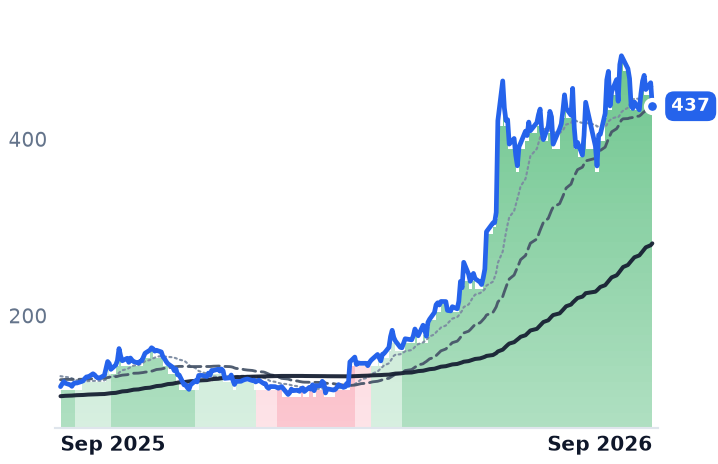
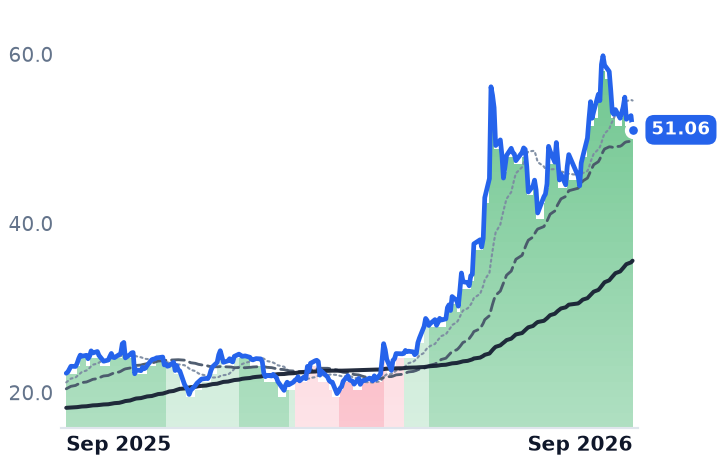
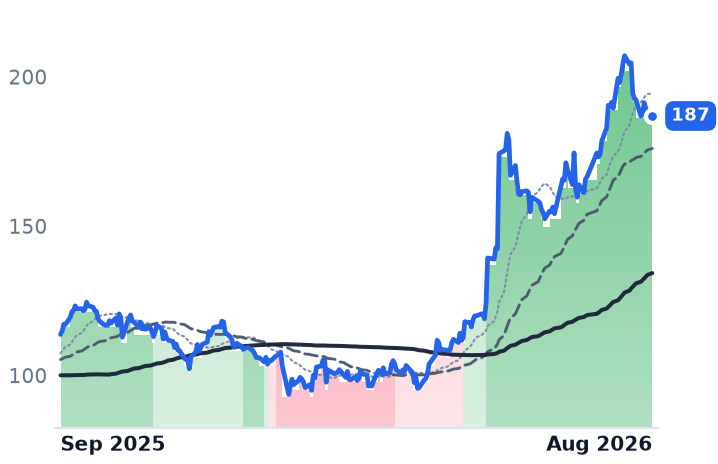
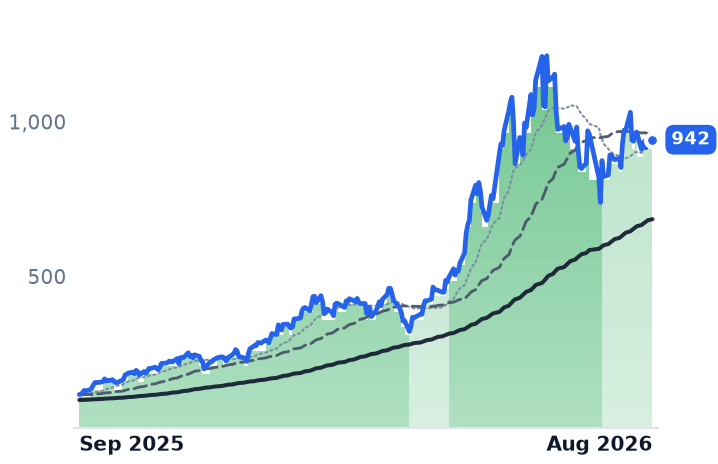
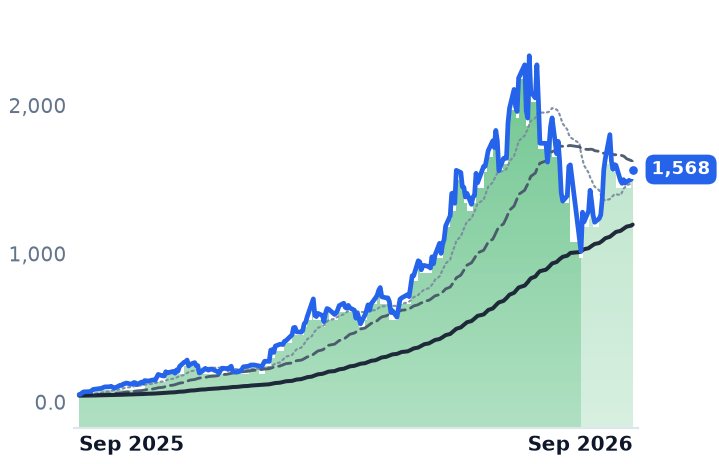
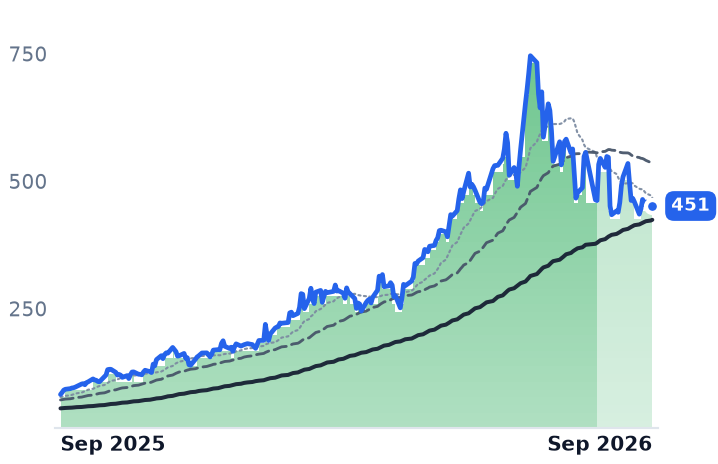
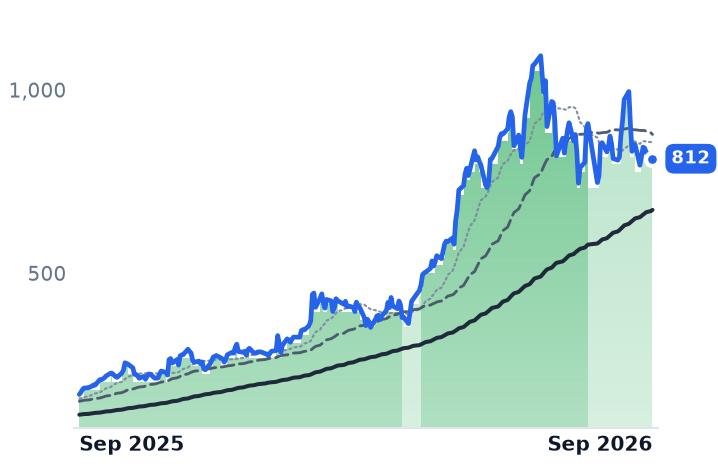
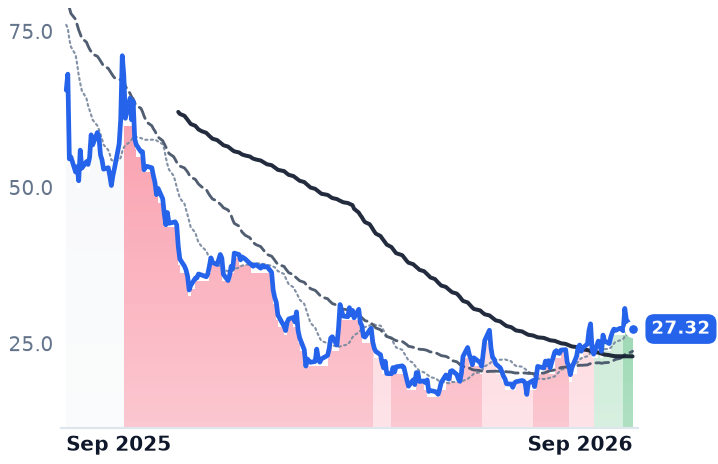
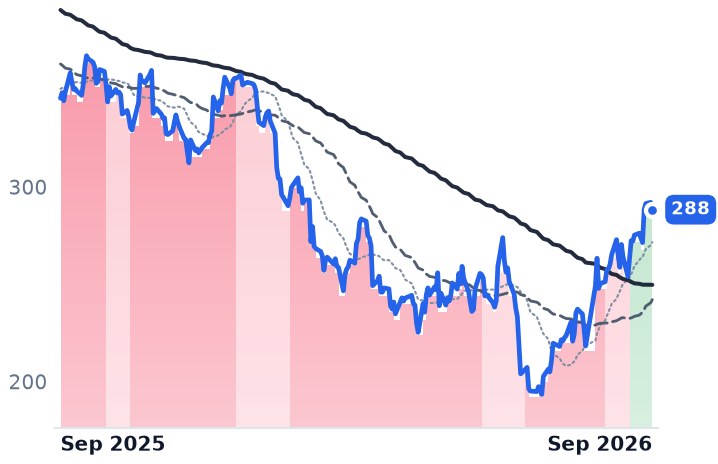
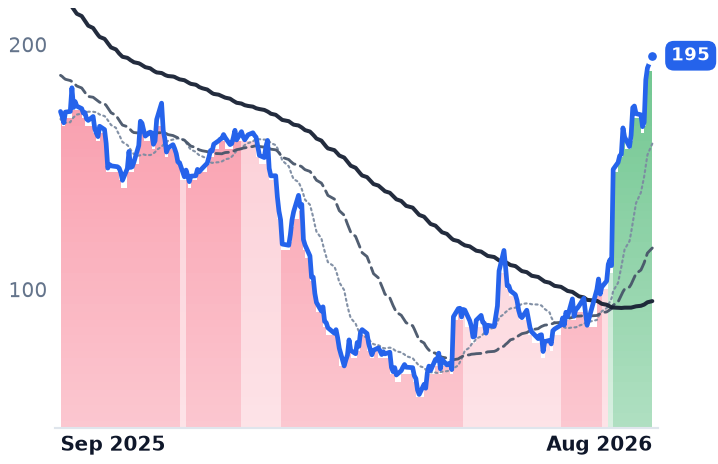
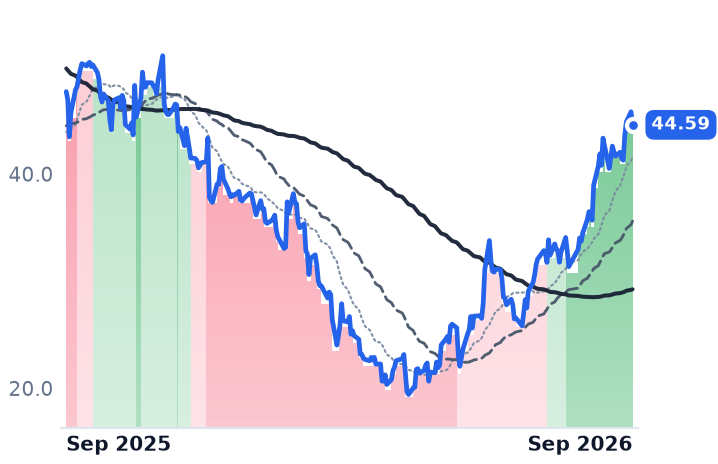
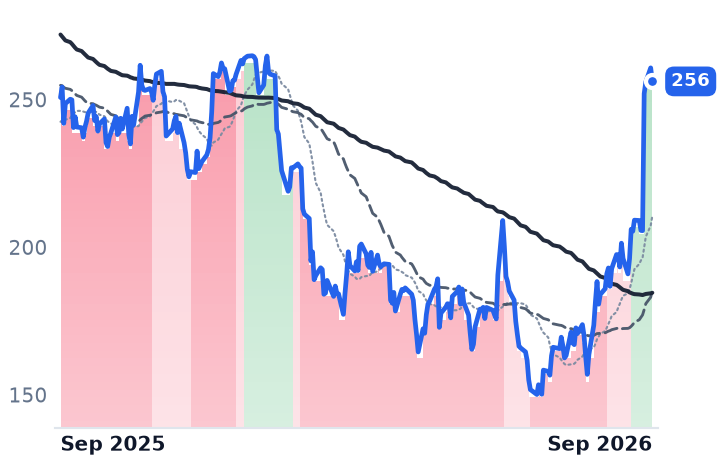
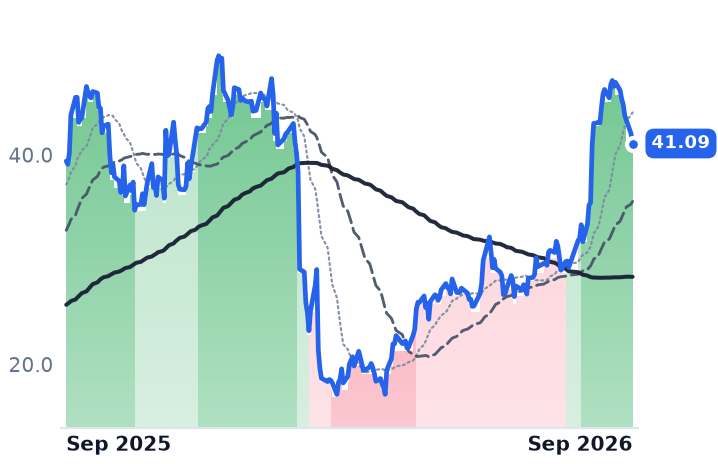
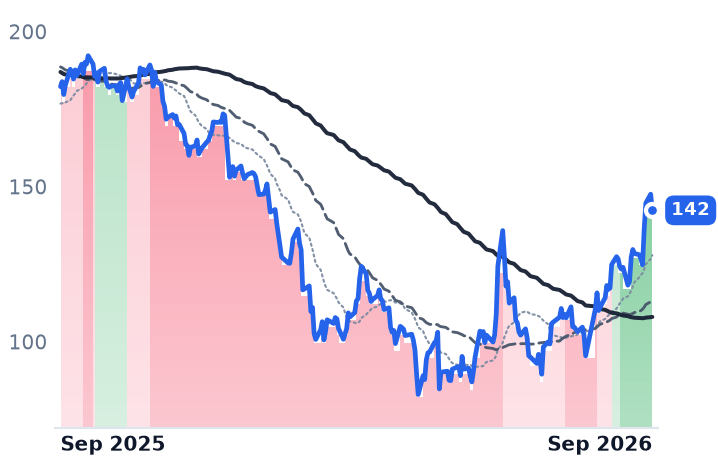
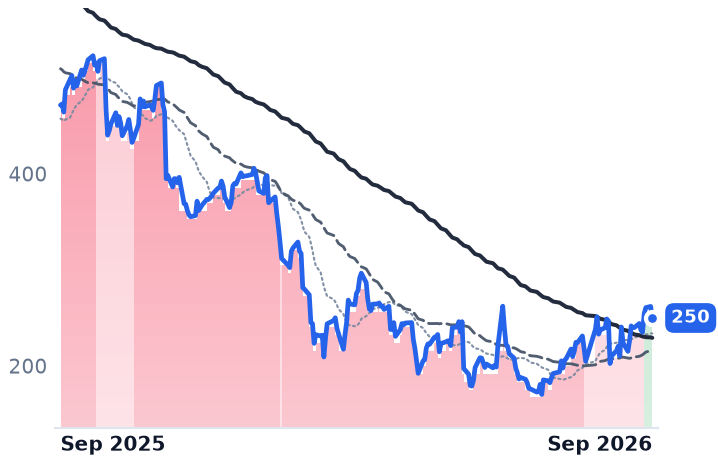
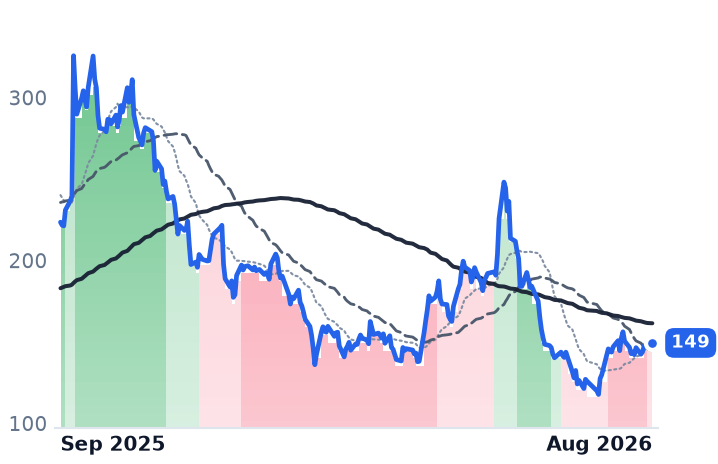
Shares have risen 81.9% since the day before the May print. Price to trailing gross profit has gone from 15.66x in early May to 27.73x in late July to 32.80x now — a doubling against gross profit that grew about a third — with forward earnings at 165 times and a trailing free-cash-flow yield near 1%. The last thirty days added 8.7% with no financial statement published inside the window, alongside August target raises from UBS to $425 and Citizens to $408 on a survey in which 14 of 15 customers planned to raise spending. Peers went every direction over the same stretch — Elastic up 42%, Datadog down 16% — so a uniform re-rating of data software is not the explanation; broker enthusiasm ahead of a print is the likelier one.
So: acceleration, retention and backlog earn a re-rating, and the first leg after May was the business being repriced for something real. The second leg is a bet on a capture rate nobody can observe — that data living in customers' own buckets still routes its queries through Snowflake's warehouses rather than through Glue, Unity Catalog or a Trino cluster. Guidance for the quarter reported on September 2 puts product revenue at $1.415bn to $1.42bn, implying growth near 30%.
Nobody outside the company can count how many queries against Snowflake-governed data are already being served by someone else's engine. Starting later this year, Snowflake will at least be billing for the ones it can see.