
EPAM's Extra Gross Profit Came From Pricing While Its Engineers Got Less Busy
Hypothesis Opus 5 · Research Opus 5 · Writing Opus 5 · Prompt v1.7
A consulting shelf sold all year on the idea that generative AI eats the billable hour has produced its cleanest counter-evidence, and it concerns price rather than hours. EPAM reported gross profit up 17.4% on revenue up 2.3%, with non-GAAP gross margin 180 basis points wider at 32.8% and AI-native work above $185m, roughly 13% of revenue.
Utilization fell to 76.5% from 78.3% in the second quarter and delivery headcount grew 2.2% against revenue growth of 2.3%, so nothing decoupled. The improvement sorts by position in the delivery chain: EPAM, Accenture and Grid Dynamics, earning $90,000-$100,000 of revenue per employee, report pricing gains; Cognizant and Infosys, near $63,000, are the ones conceding discounts and cutting guidance. Three of the four guided growth lower even as the shares ran.
| Ticker | Company | Segment | Trend · 13mo | 30D | 1Y |
|---|---|---|---|---|---|
| The subject · what this brief is about | |||||
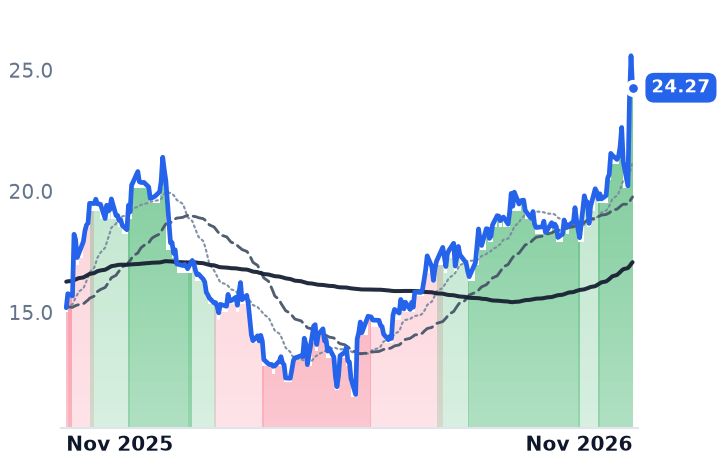
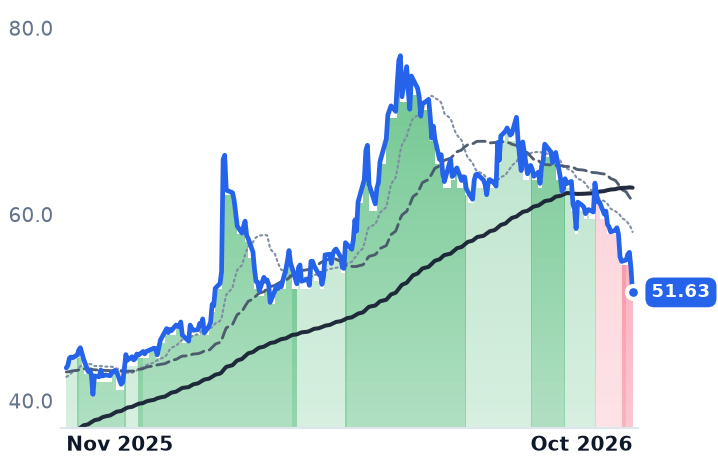
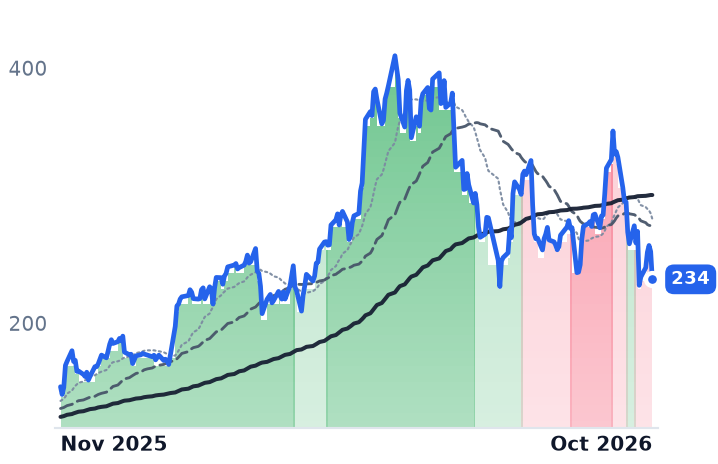
EPAM | EPAM Systems | Consulting & Professional Services | 🌱 Emerging Bull | +51.7% | −1.4% |
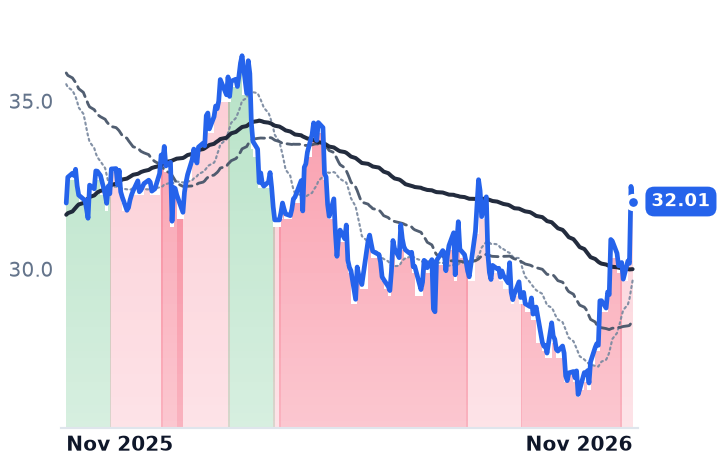
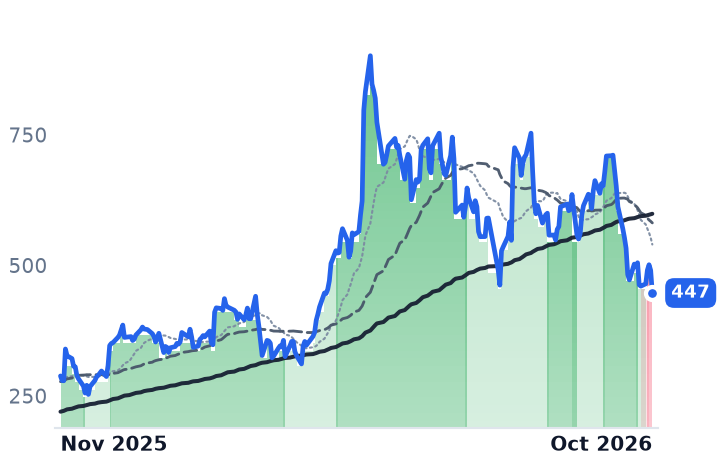
ACN | Accenture | Consulting & Professional Services | 🌱 Emerging Bull | +35.7% | +12.1% |
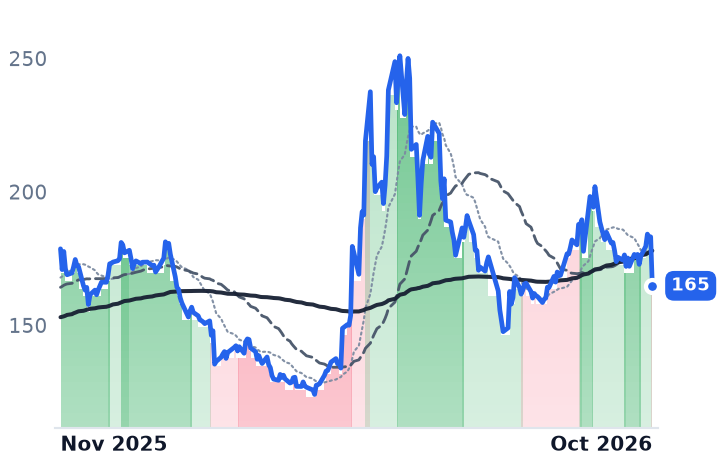
CTSH | Cognizant Technology Solutions | Consulting & Professional Services | 🌱 Emerging Bull | +16.4% | −7.8% |
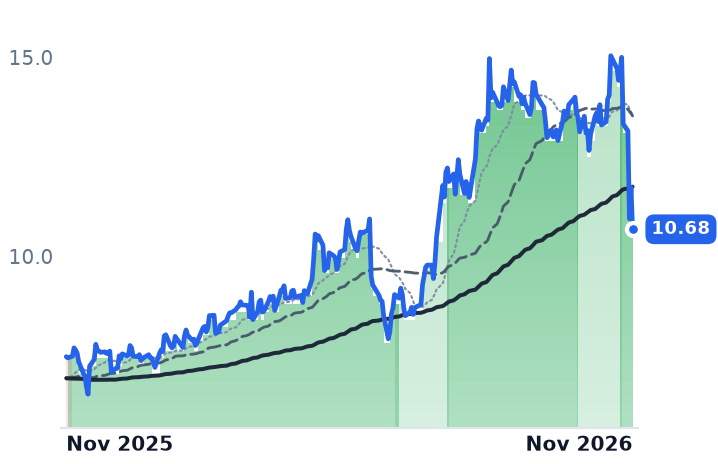
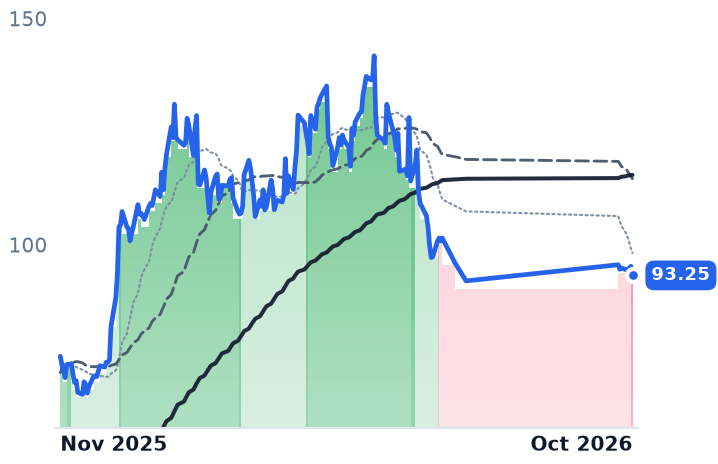
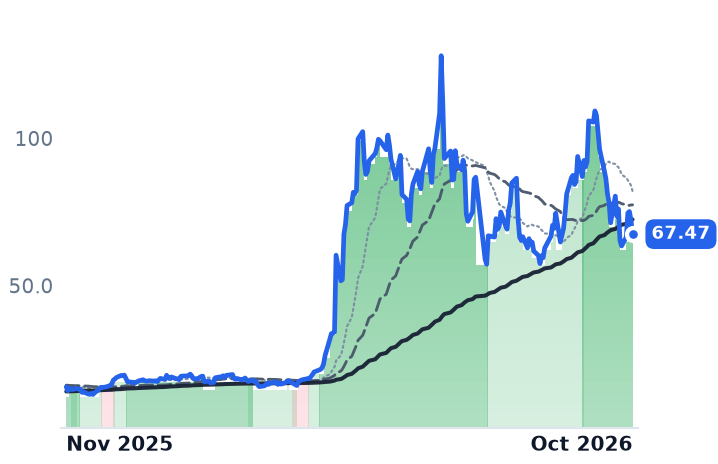
GDYN | Grid Dynamics | Consulting & Professional Services | 🌱 Emerging Bull | +73.2% | +54.9% |
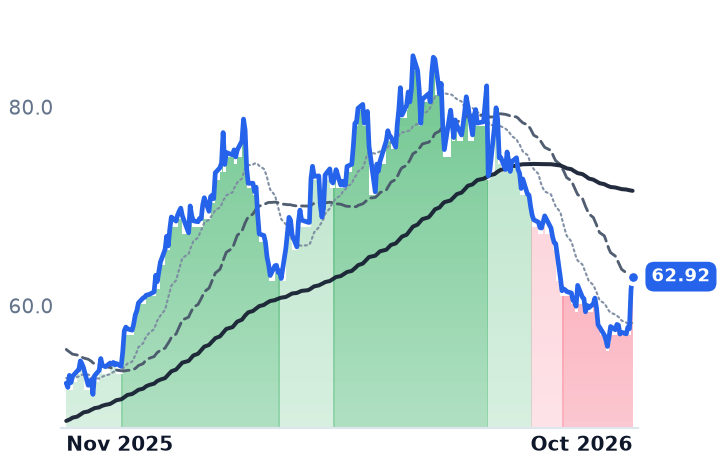
INFY | Infosys | Consulting & Professional Services | 🔴 Cont. Bear | +22.8% | −20.9% |
| Compared against · context, not the story | |||||
IT | Gartner | Research & Analytics Services | 🌱 Emerging Bull | +6.2% | −12.5% |
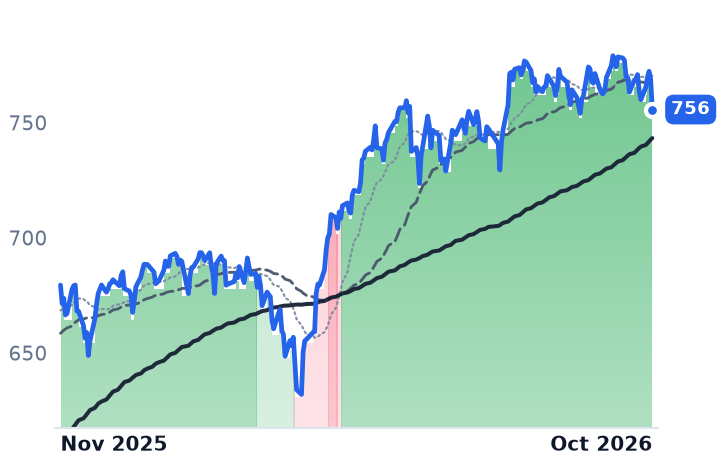
SPY | State Street SPDR S&P 500 ETF Trust | Asset Management | 🟢 Cont. Bull | −3.1% | +13.0% |
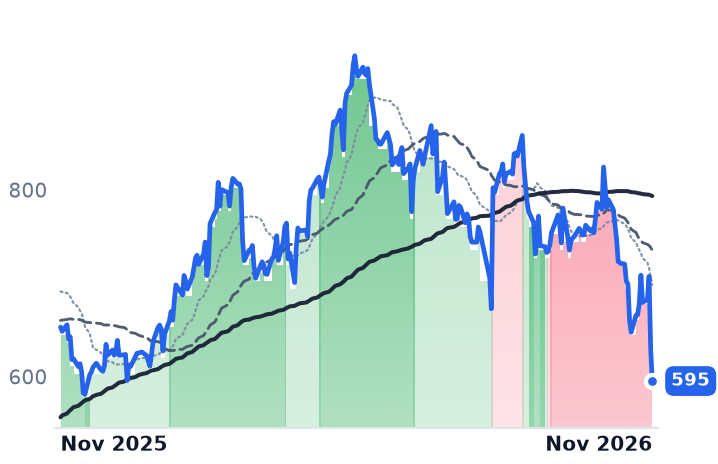
NVDA | NVIDIA | Processors & Accelerators | 🟢 Cont. Bull | −23.5% | −3.4% |
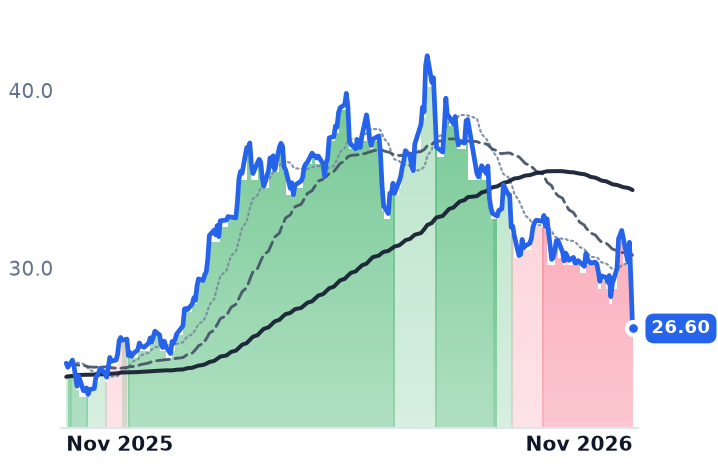
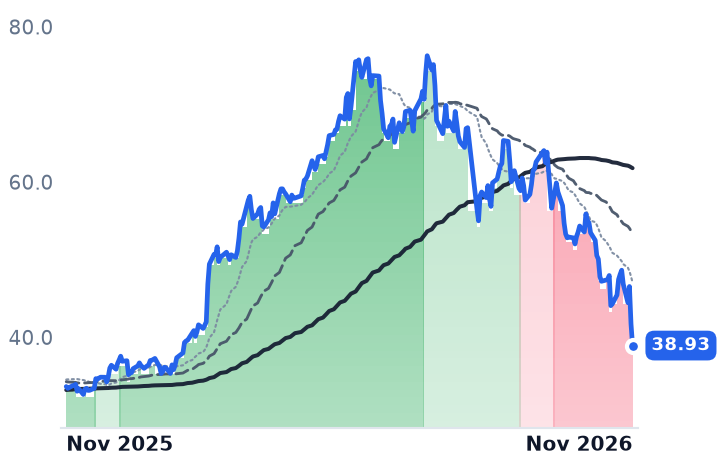
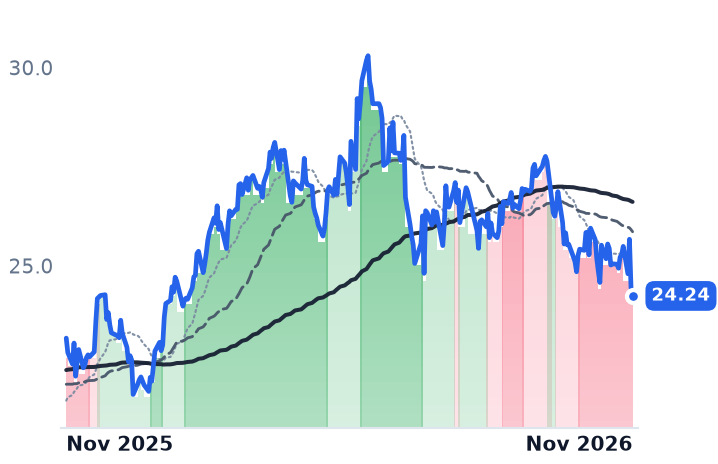
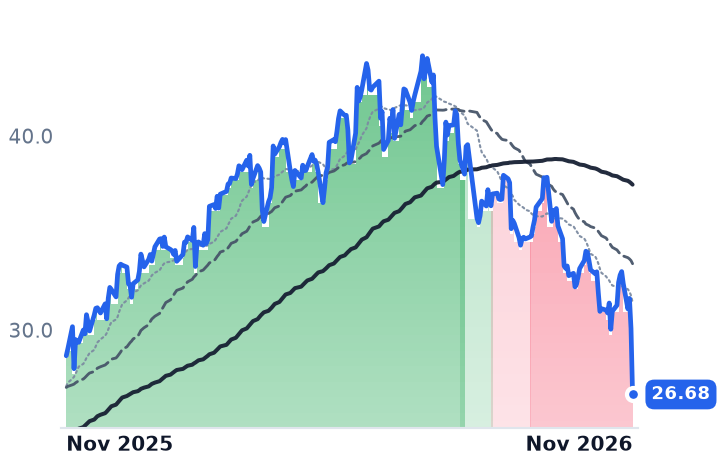
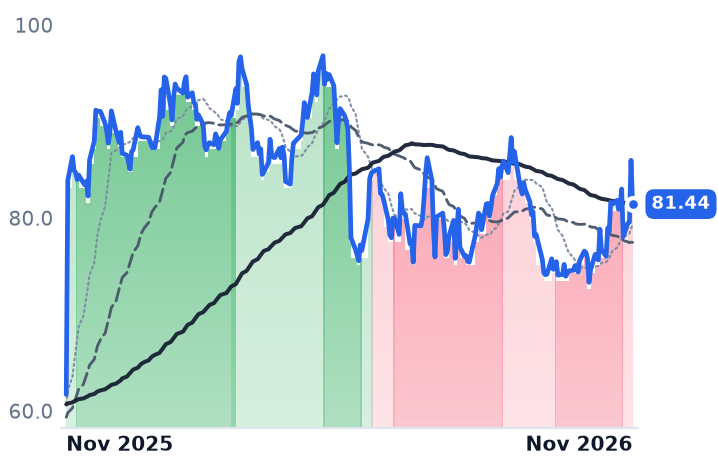
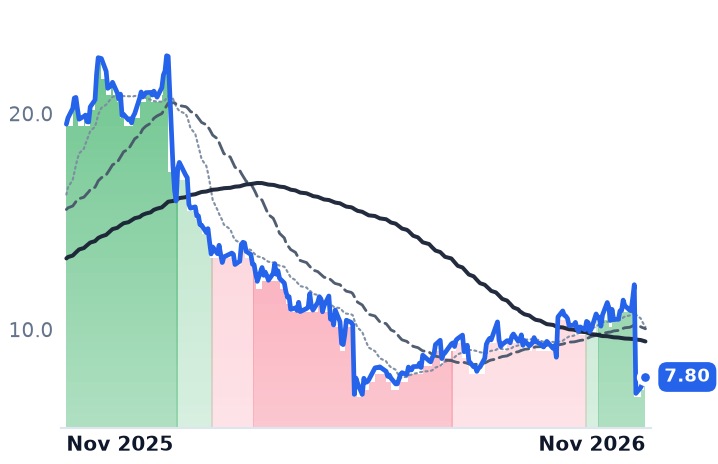
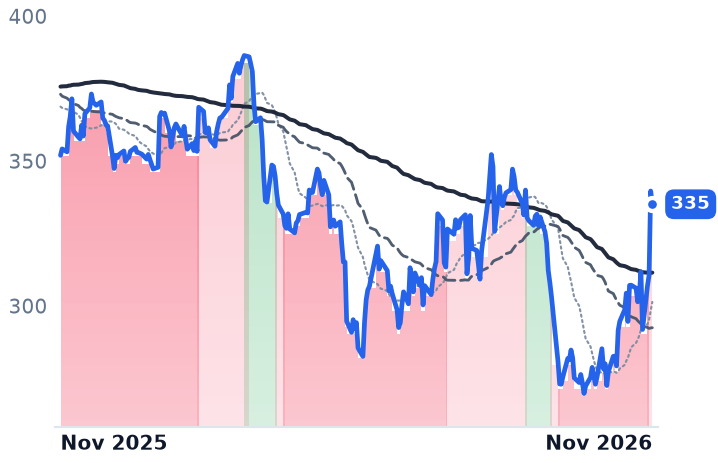
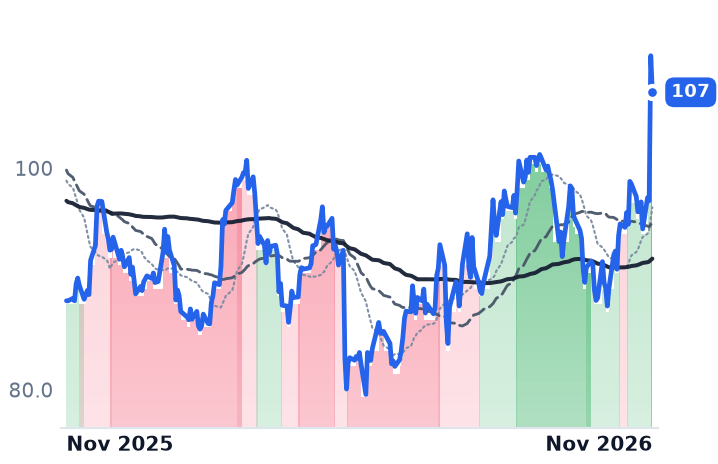
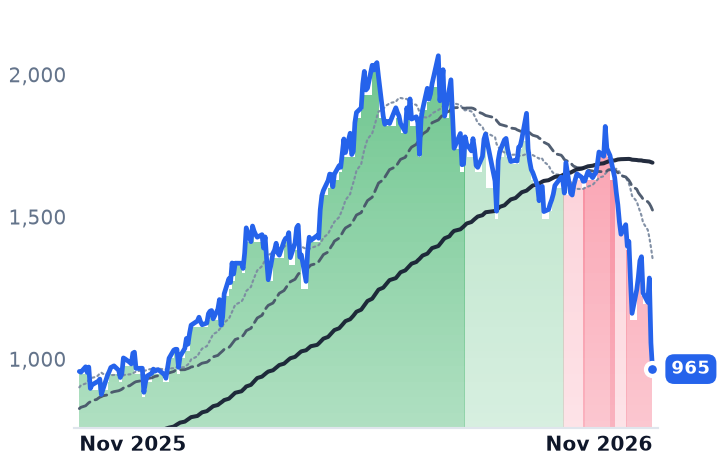
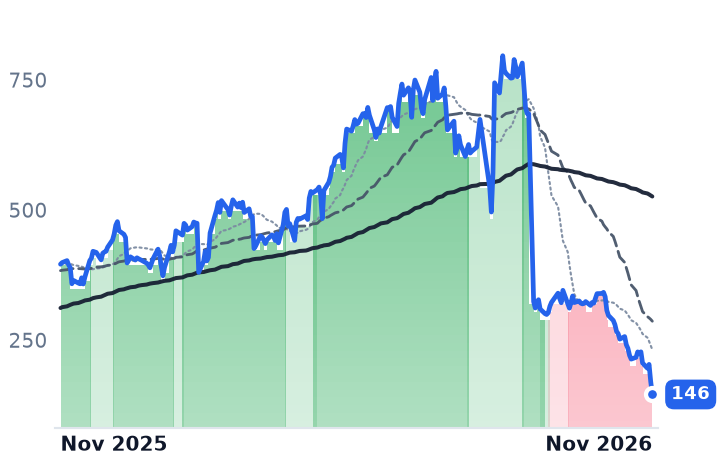
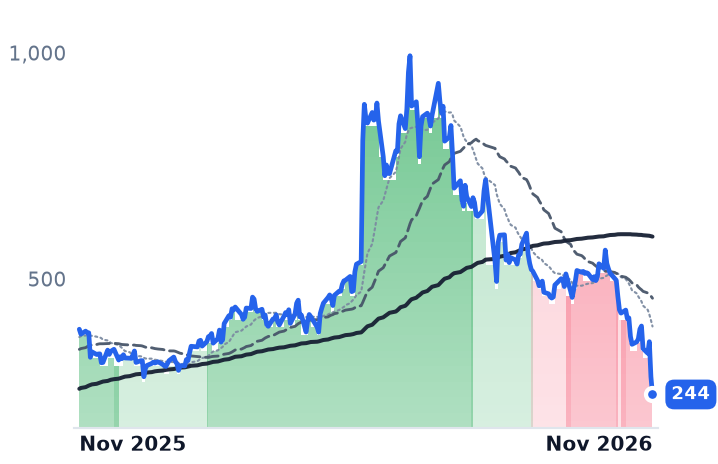
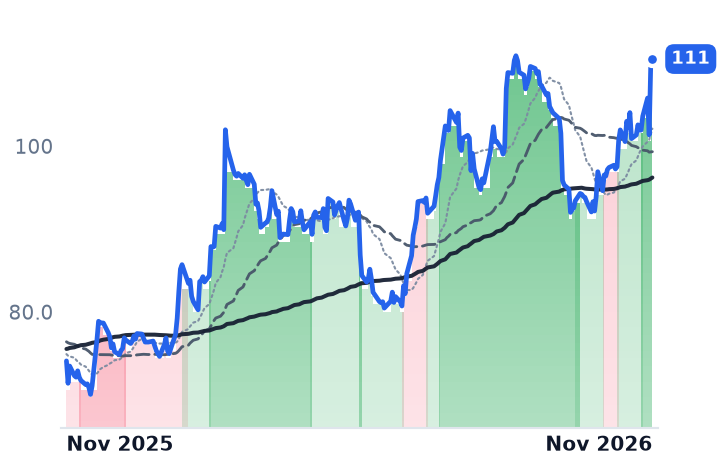
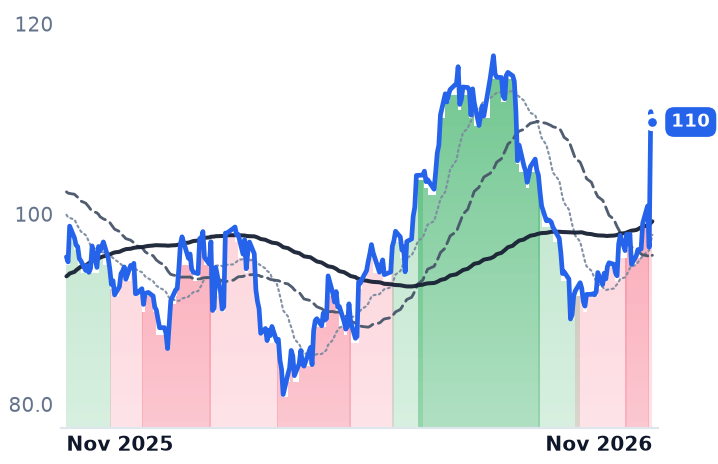
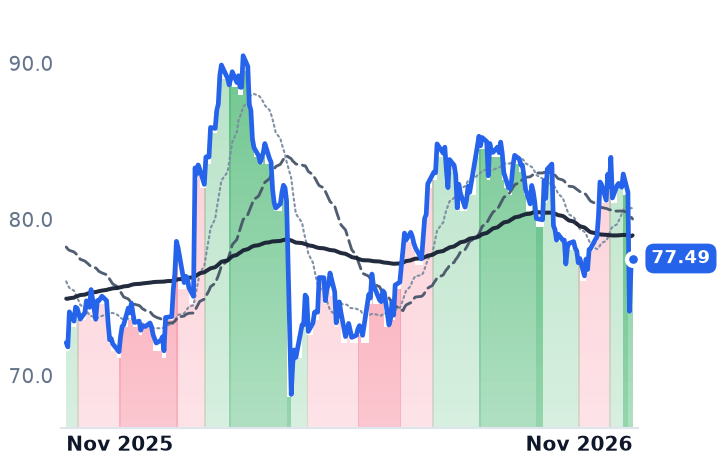
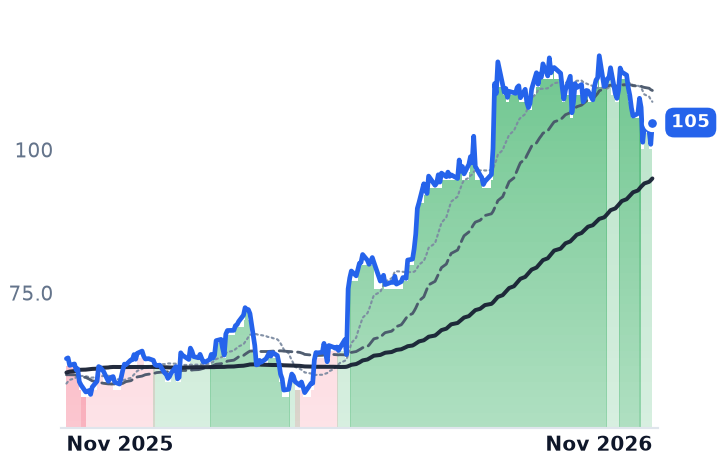
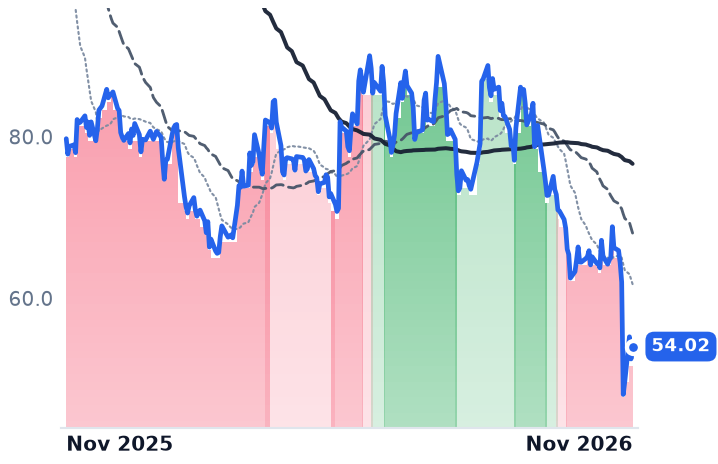
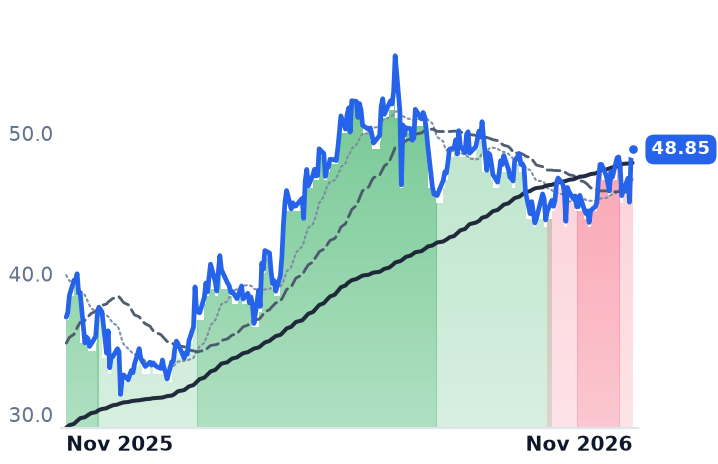
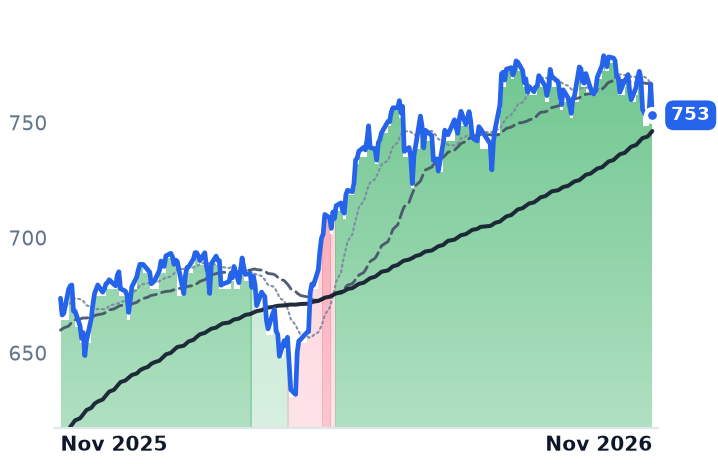
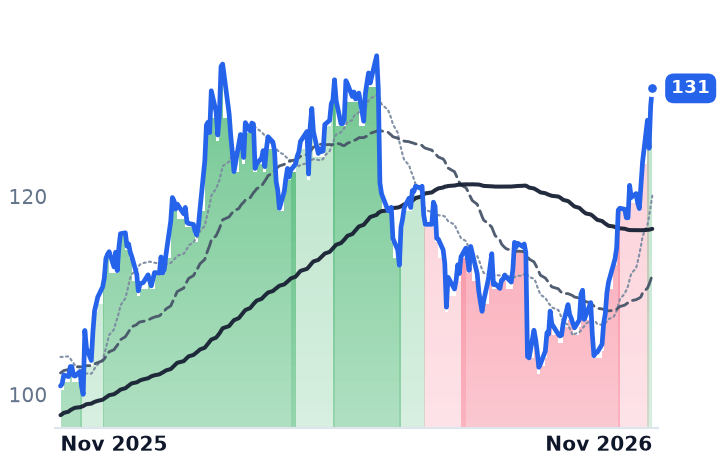
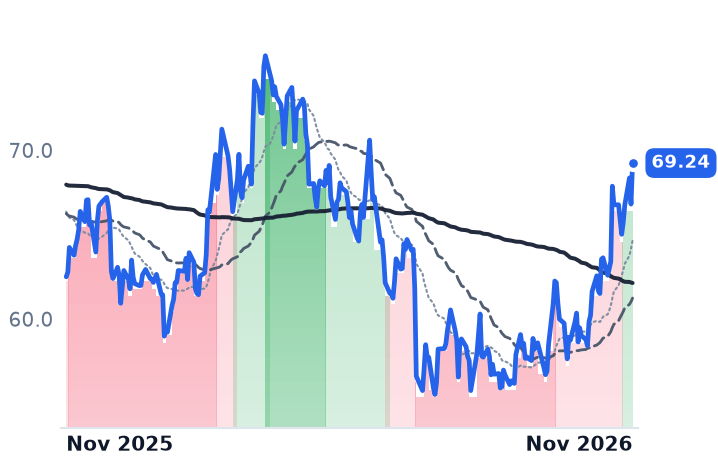
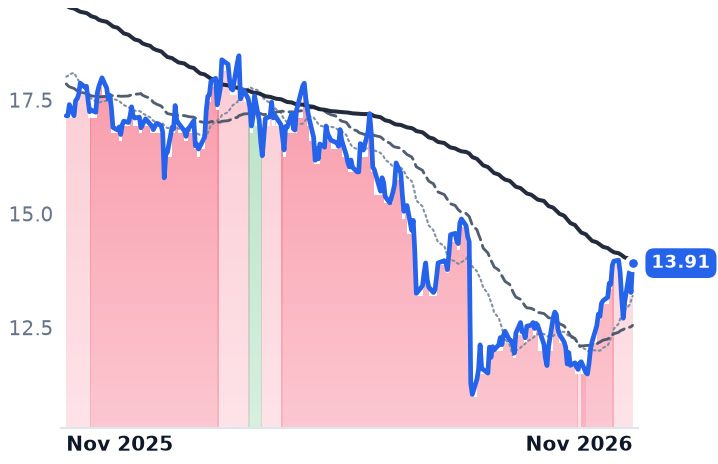
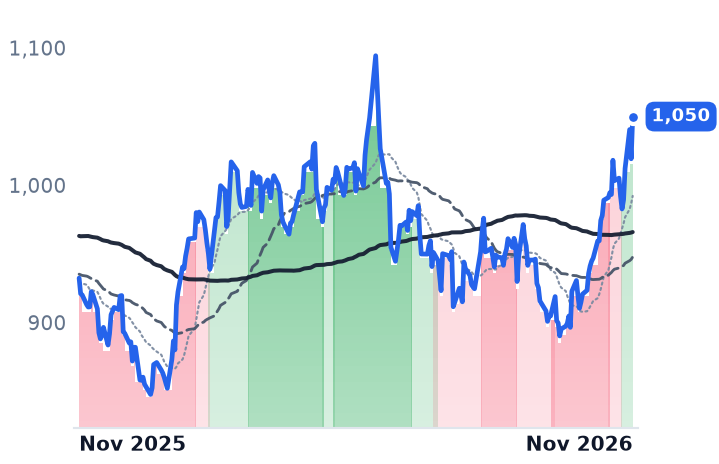
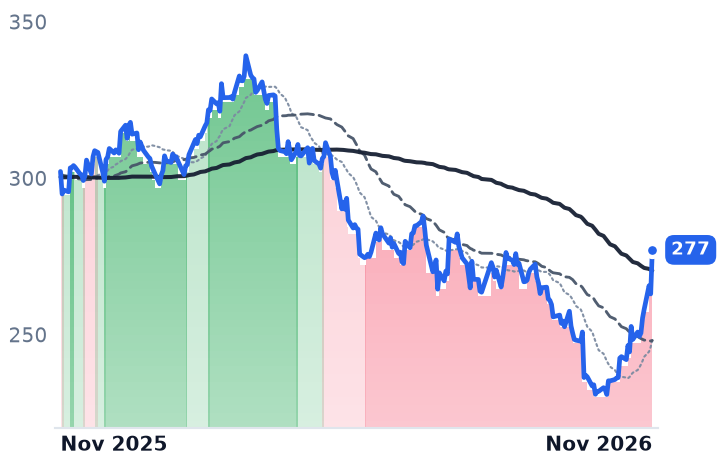
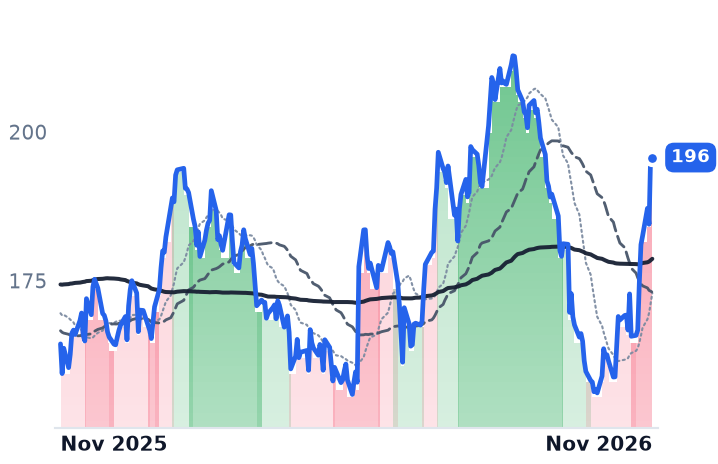
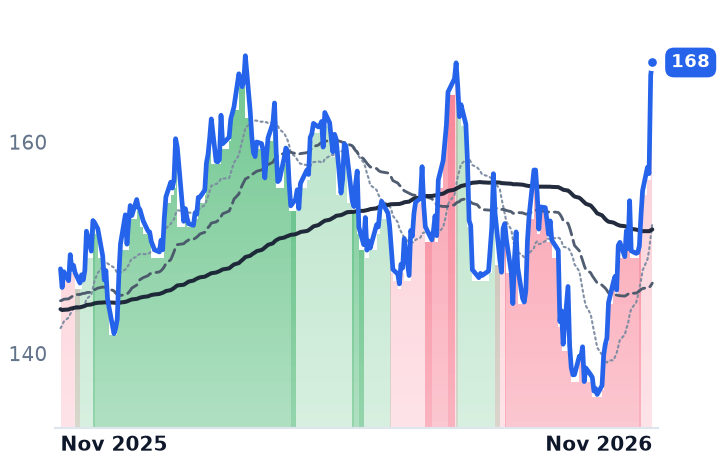
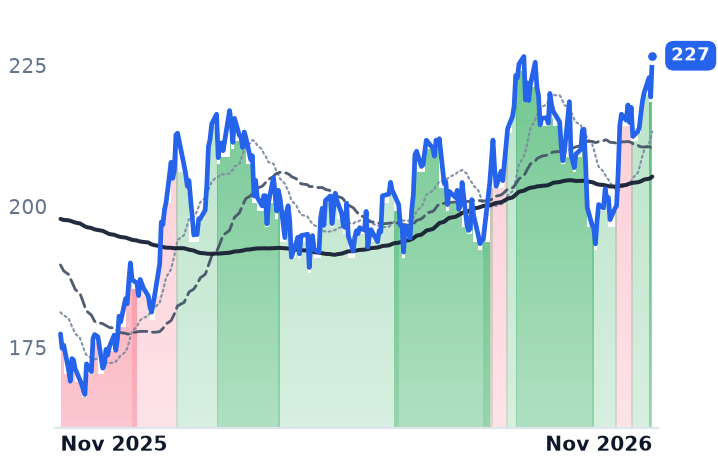
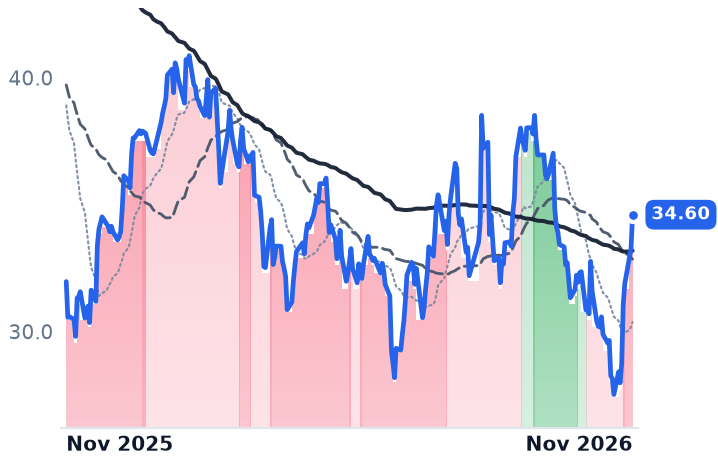
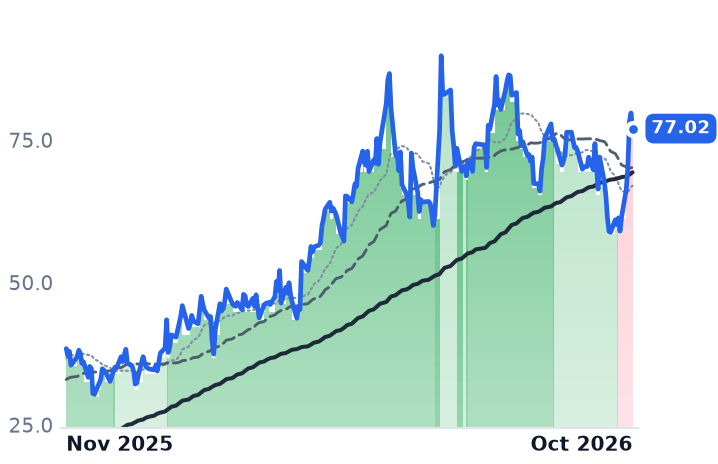
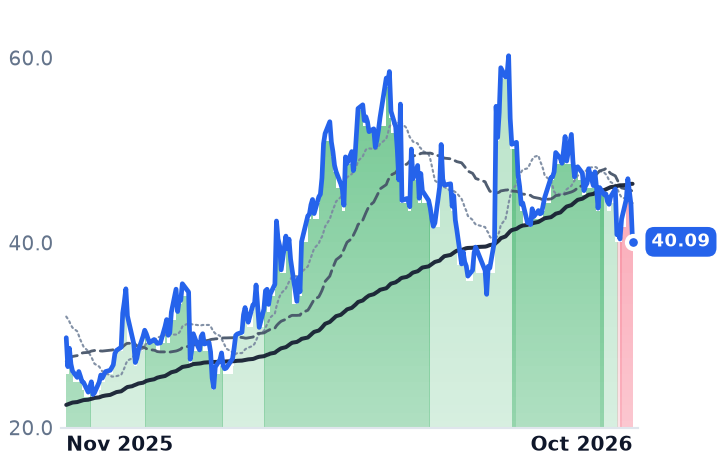
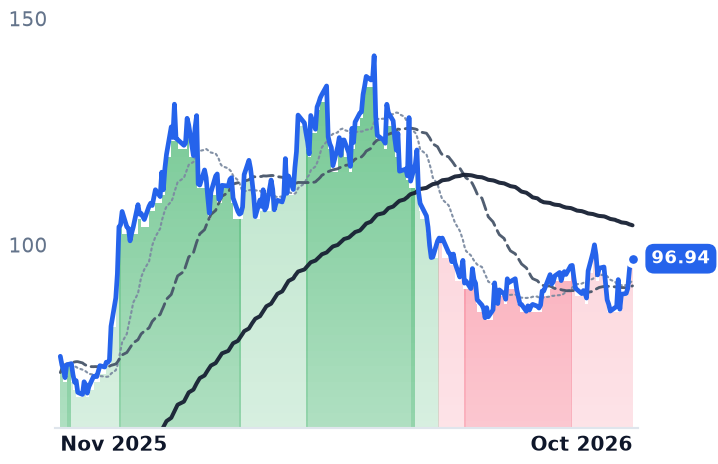
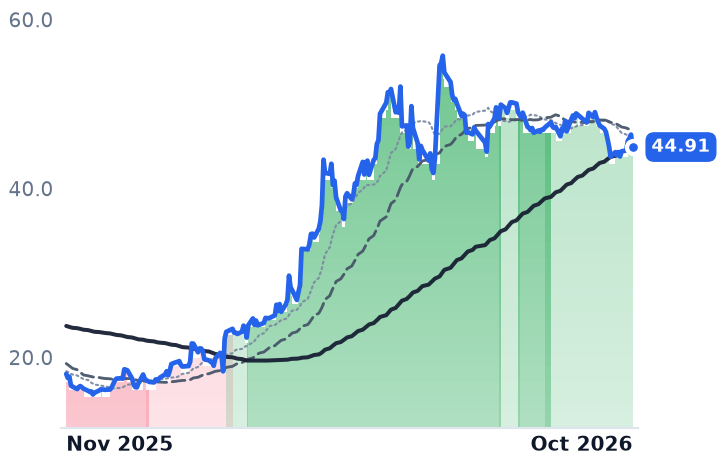
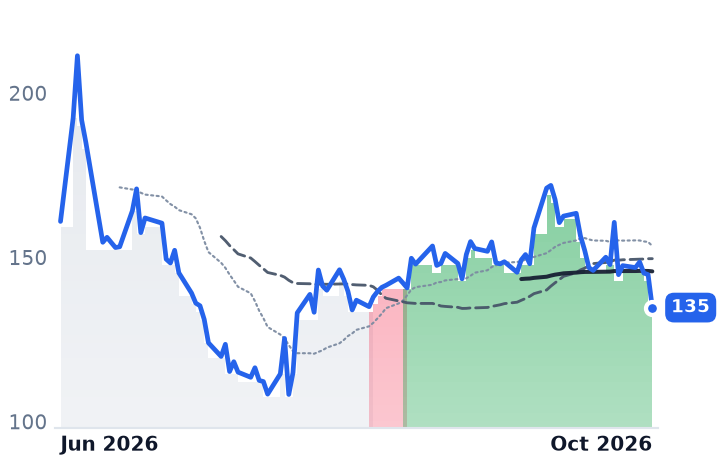
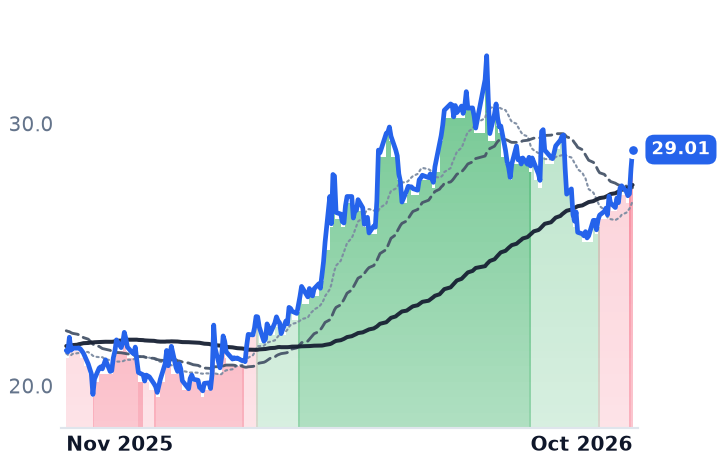
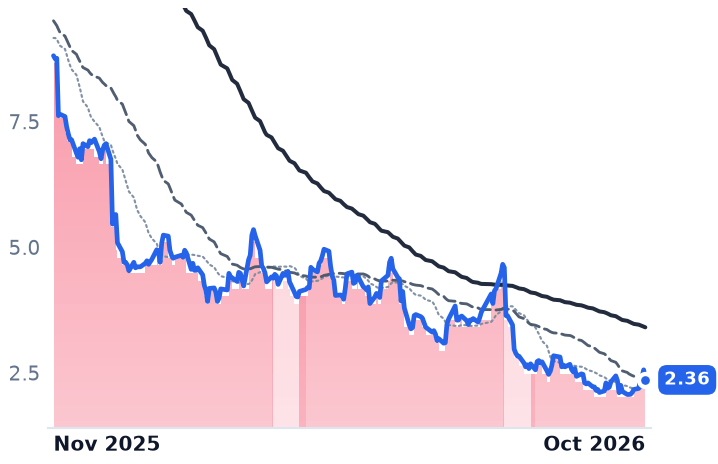
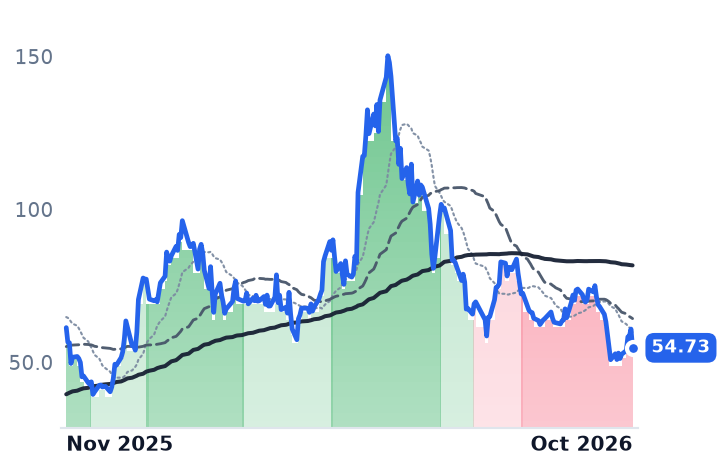
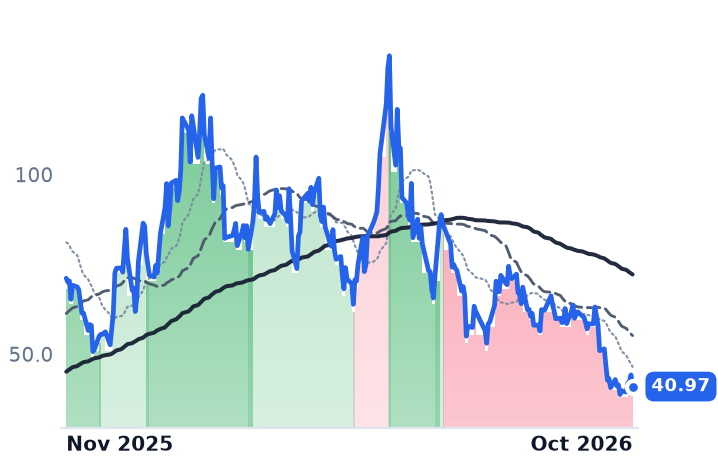
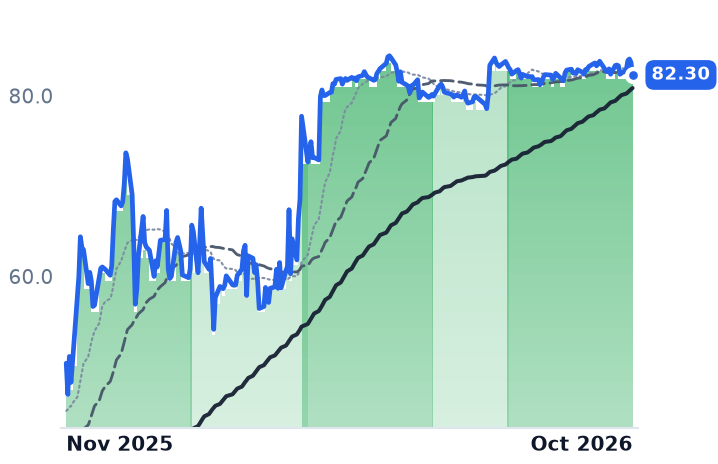
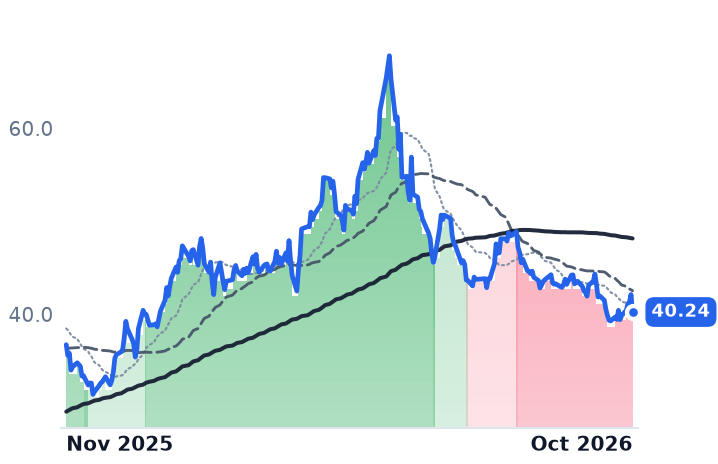
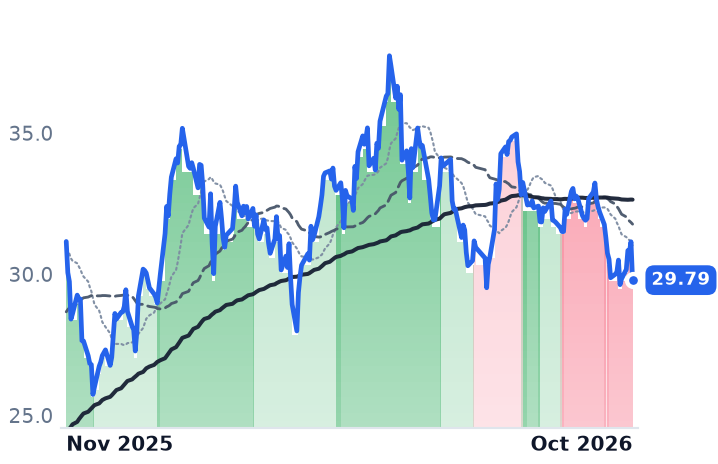
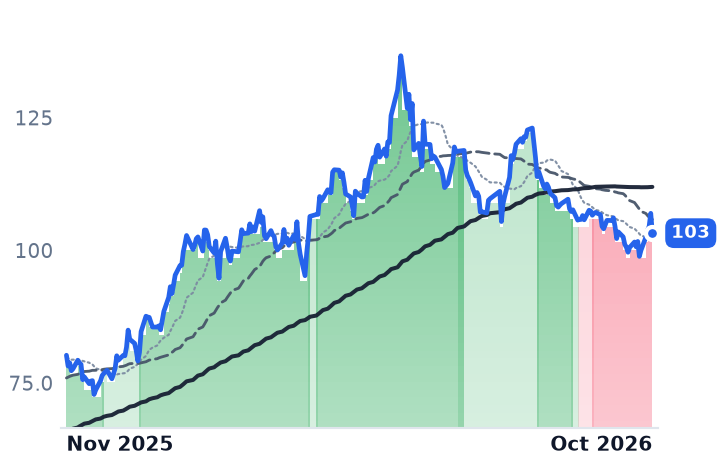
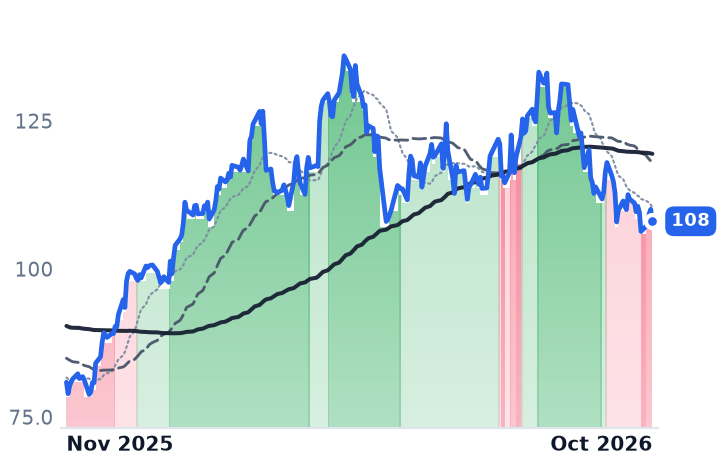
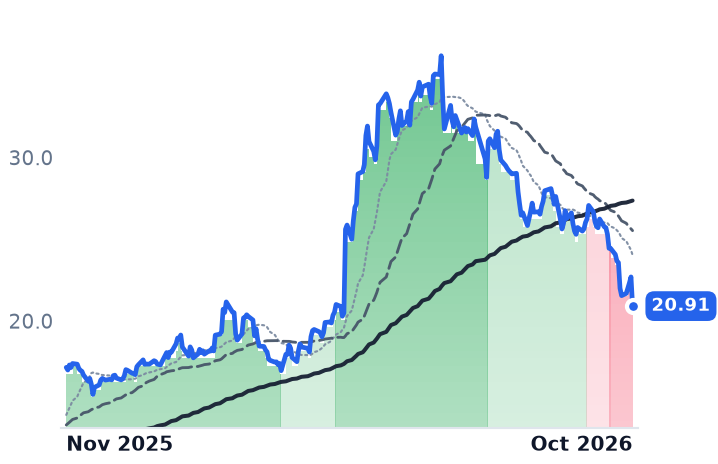
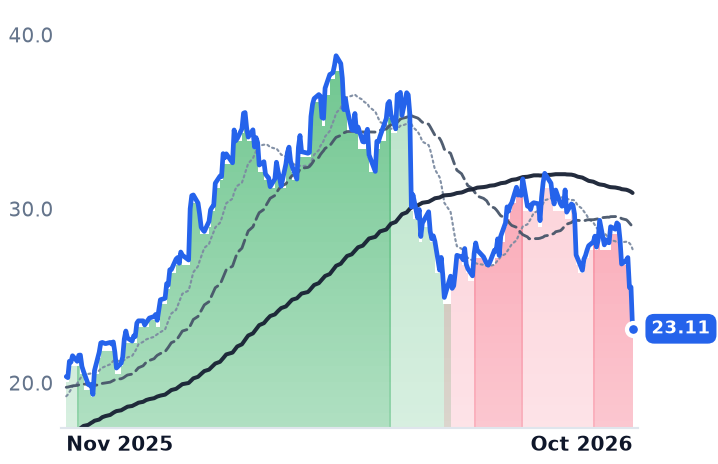
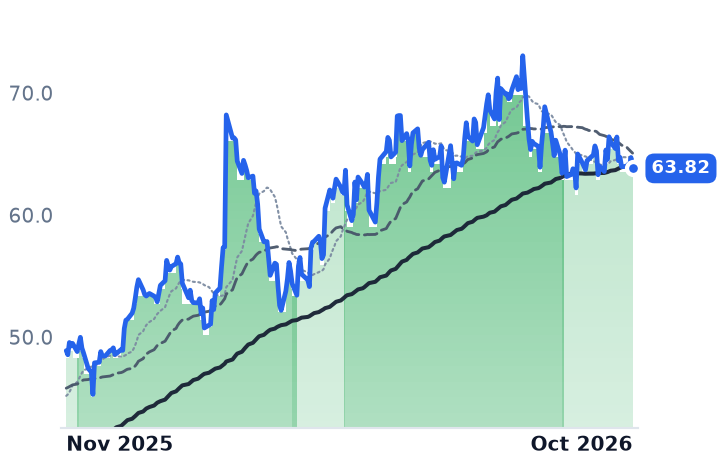
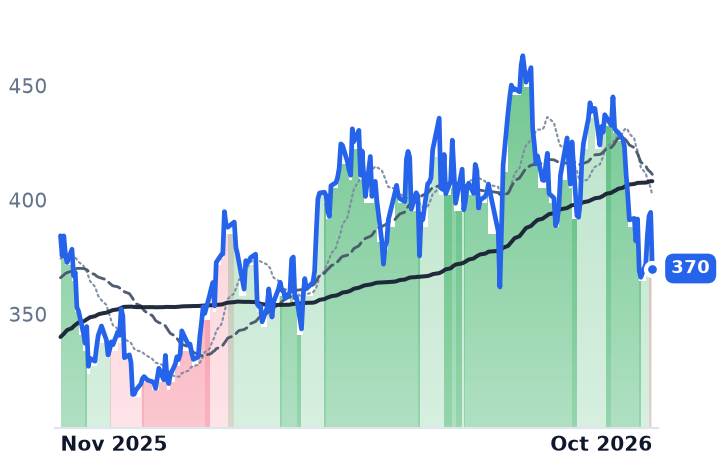
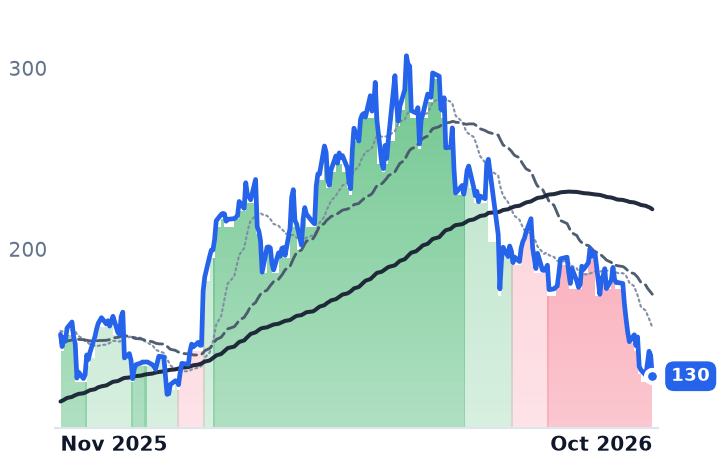
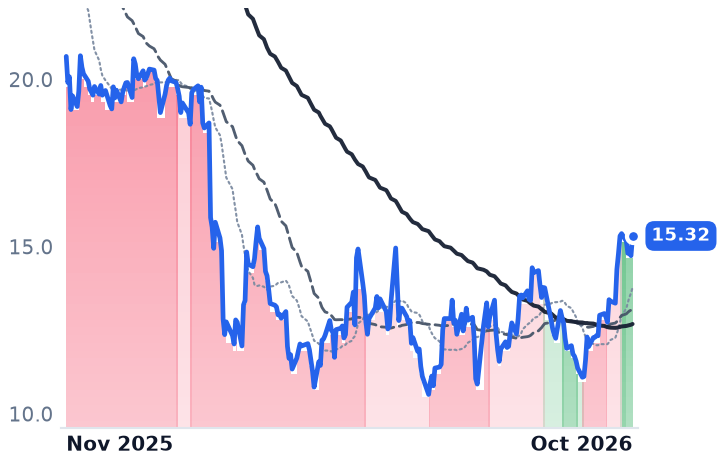
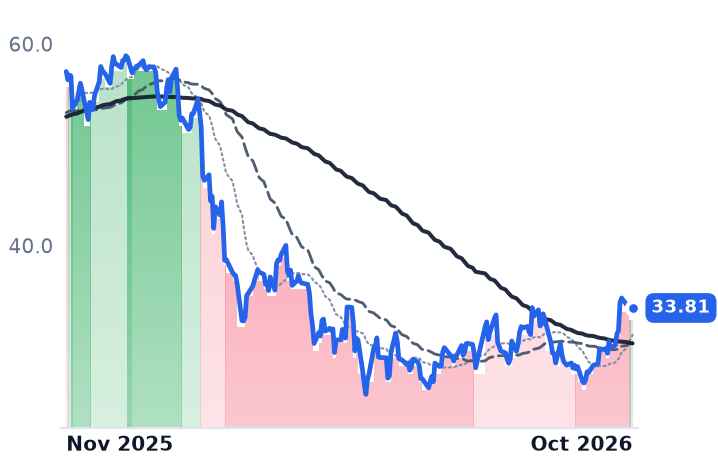
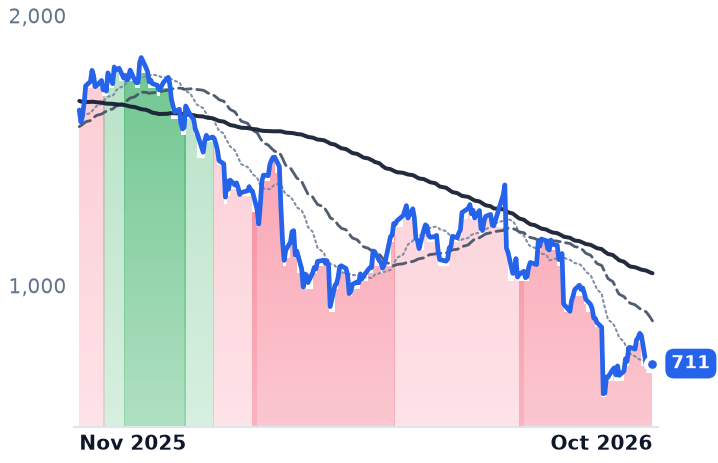
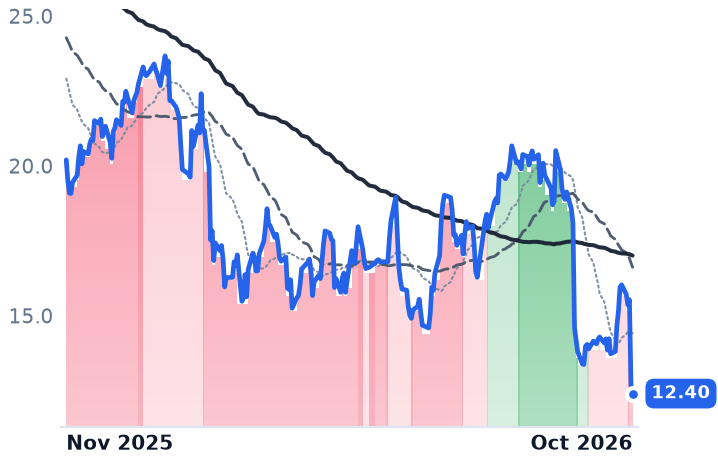
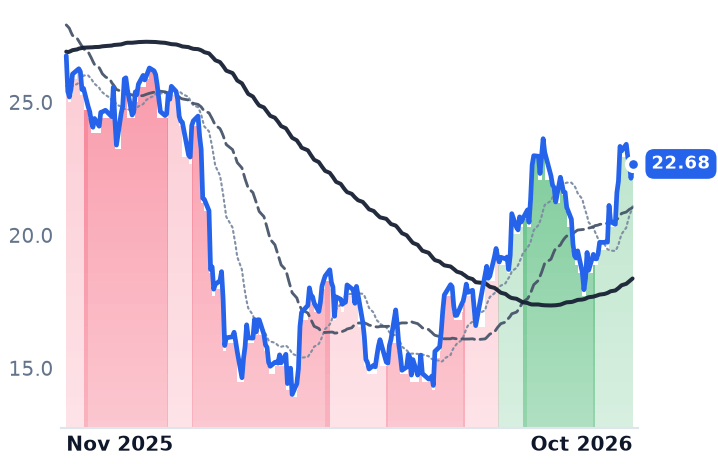
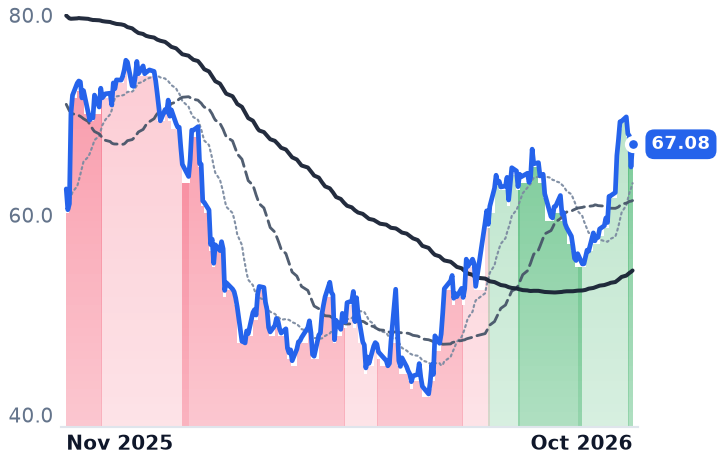
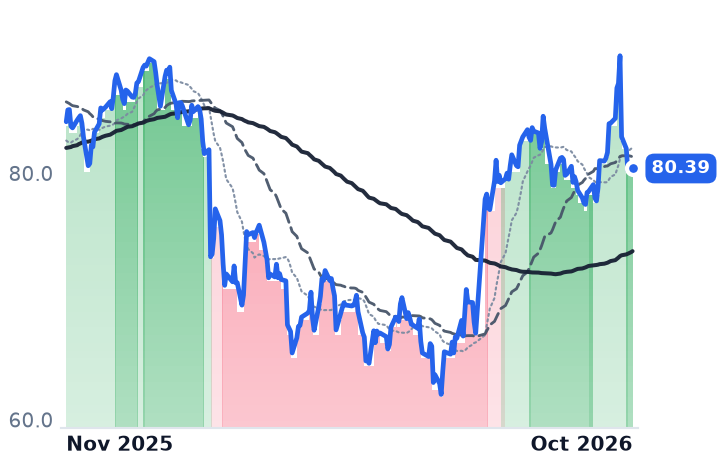
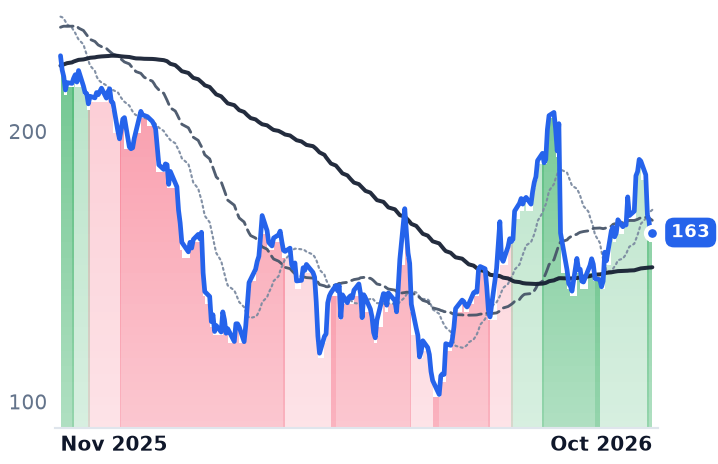
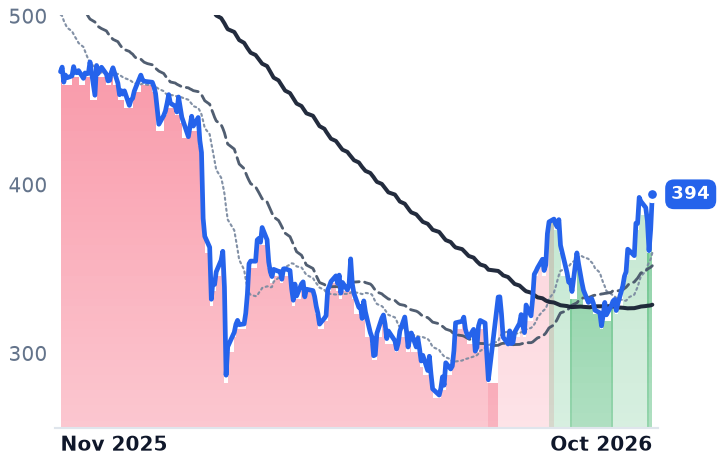
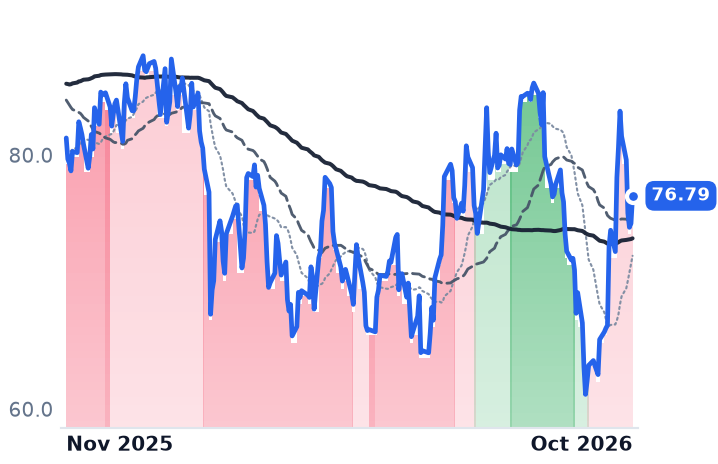
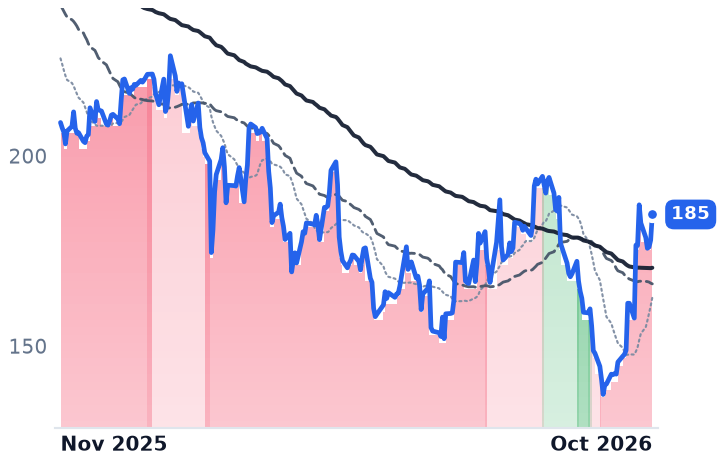
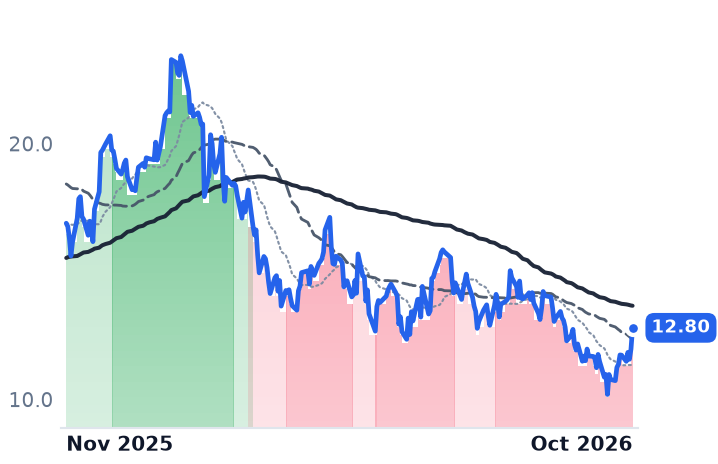
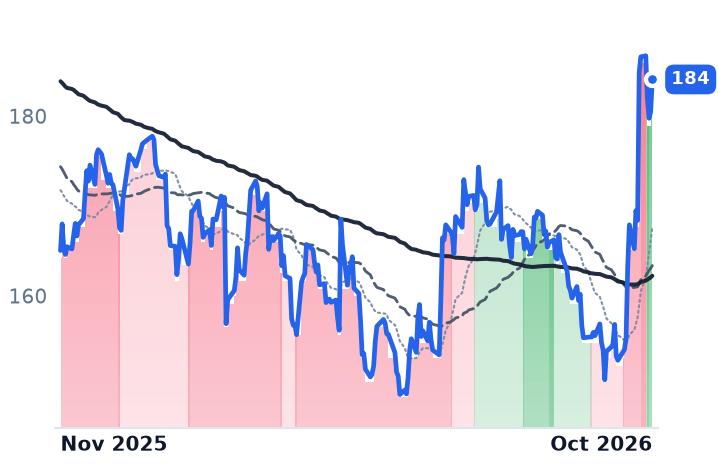
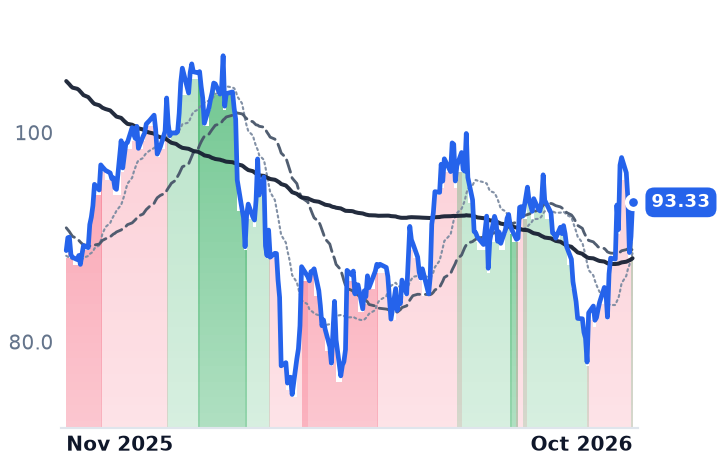
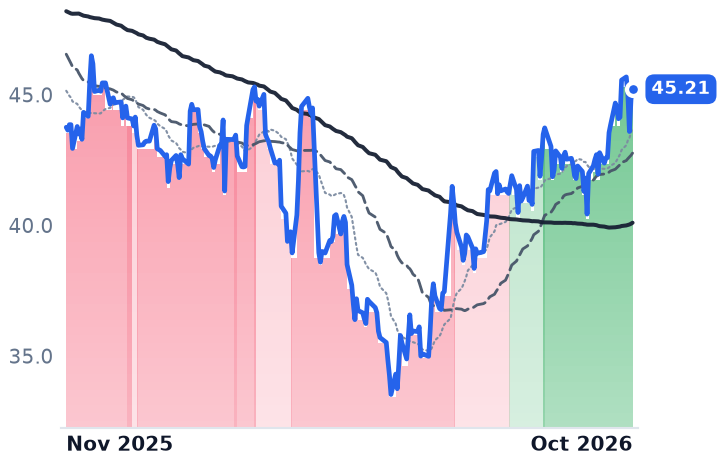
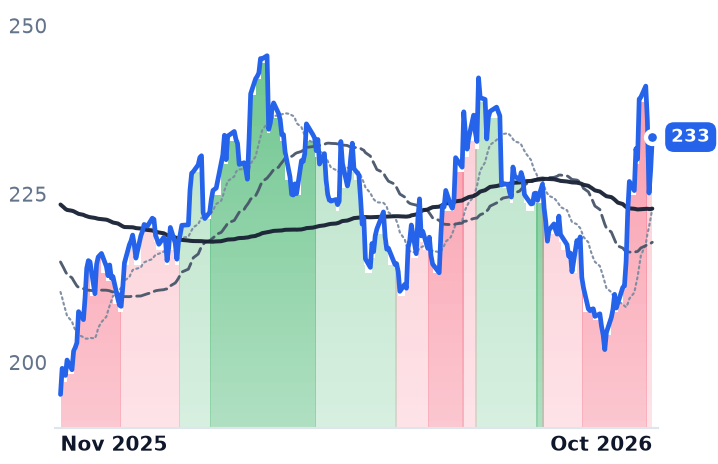
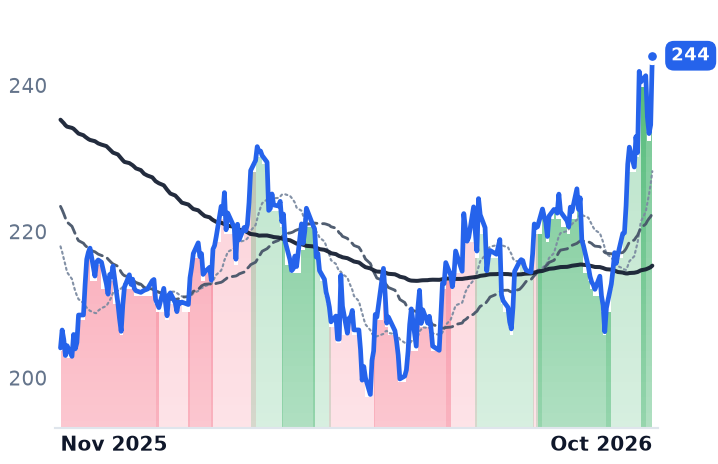
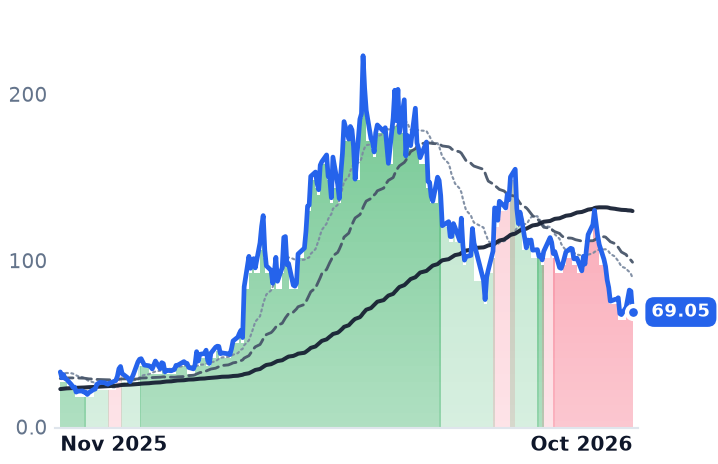
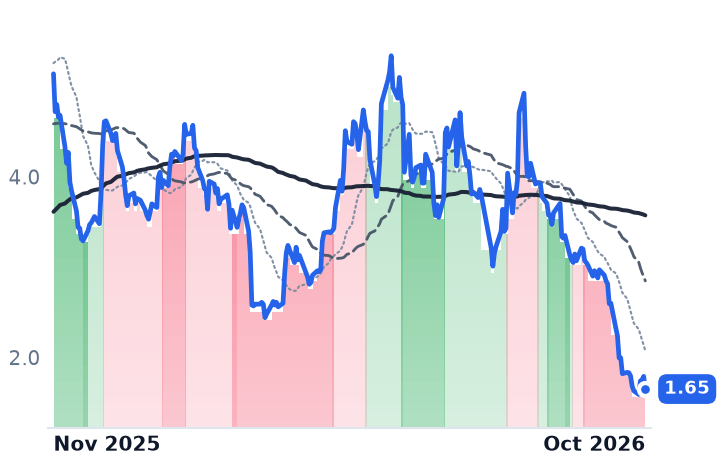
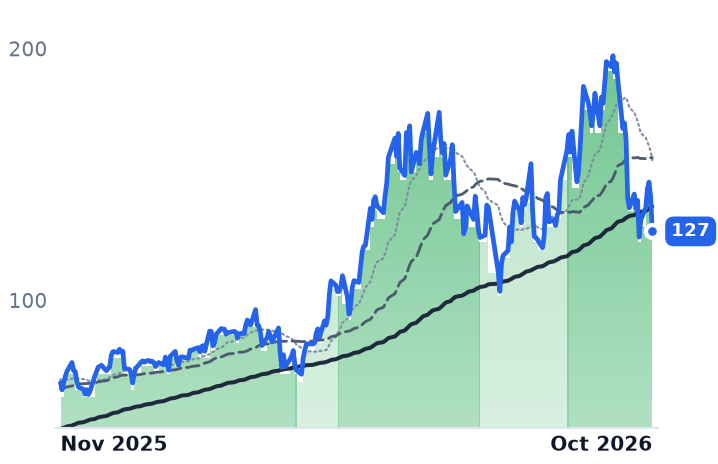
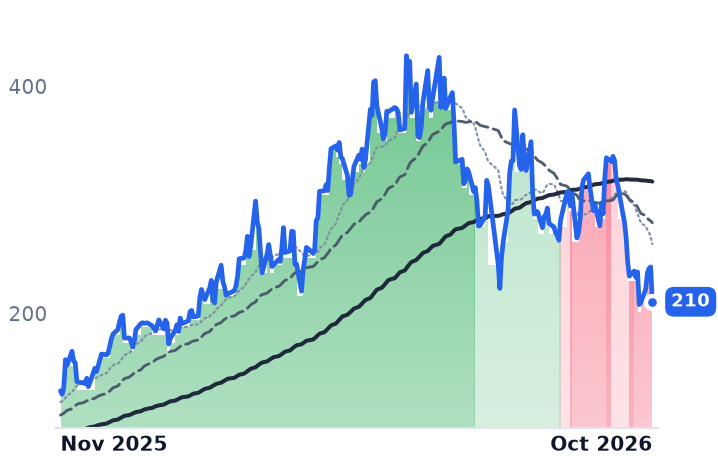
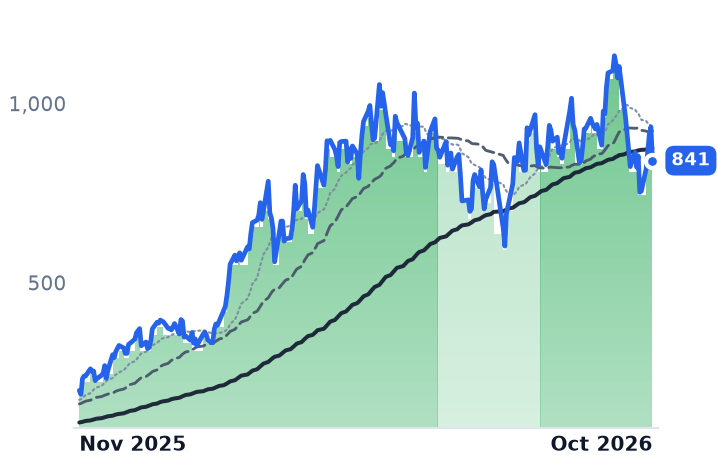
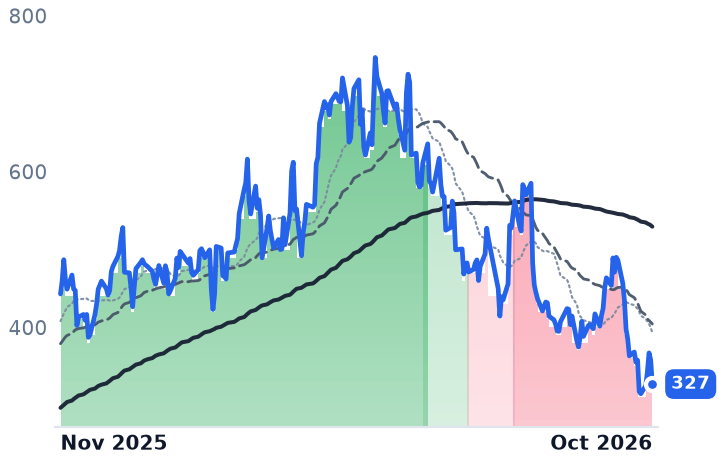
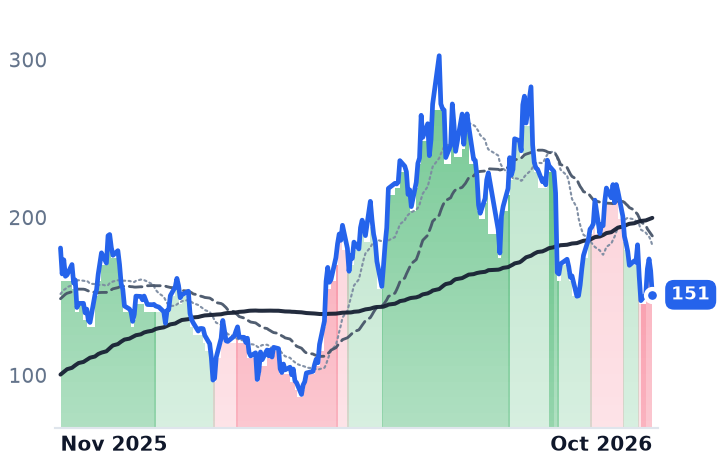
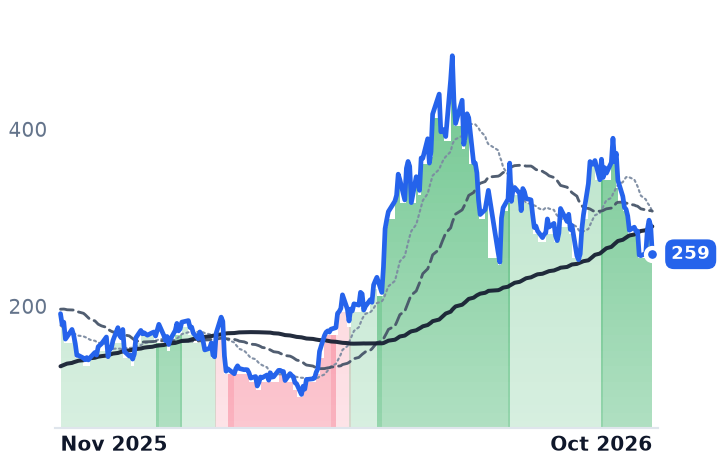
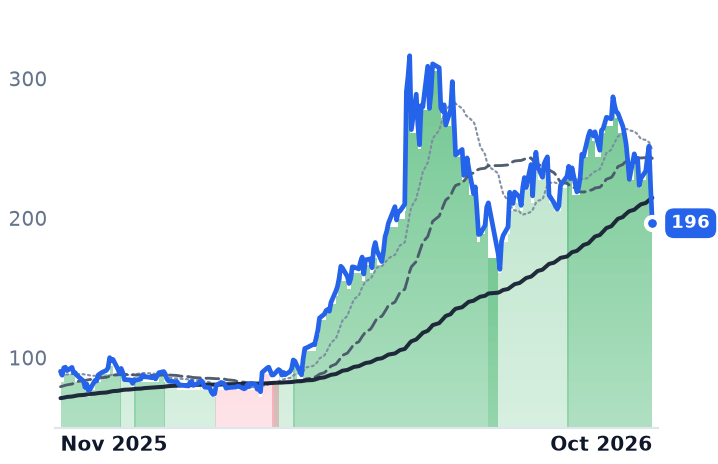
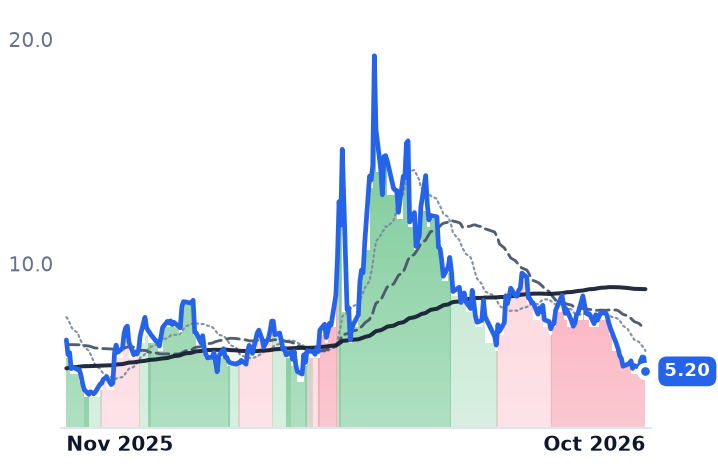
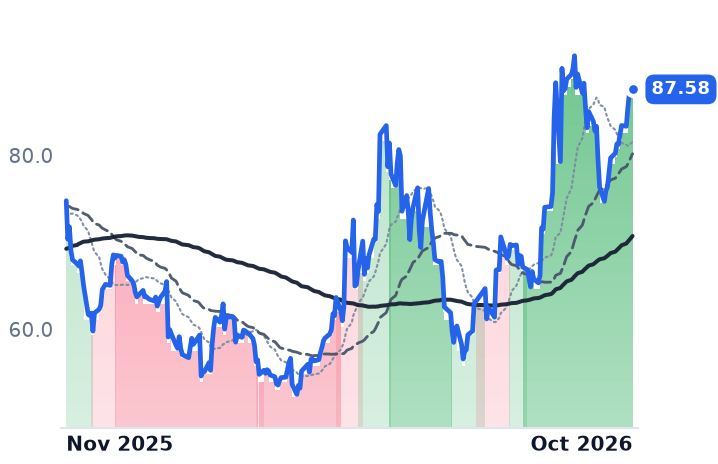
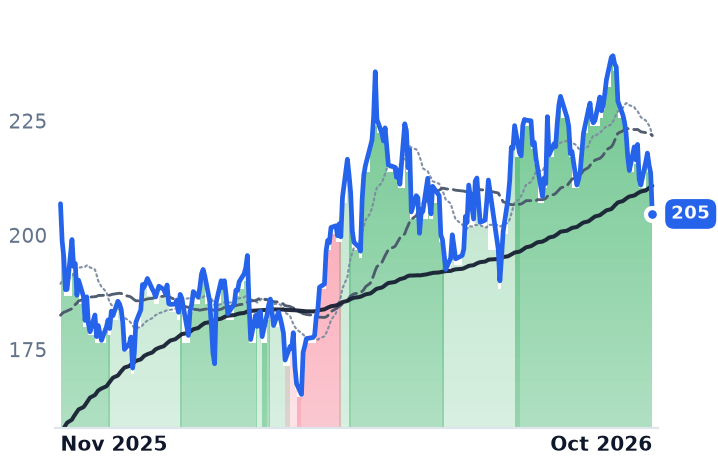
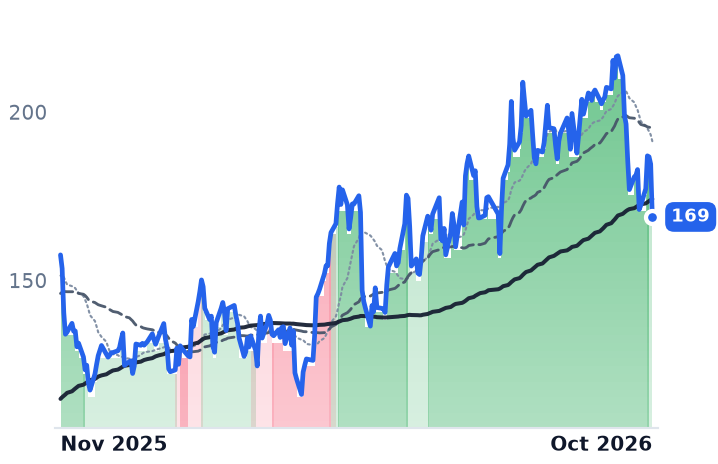
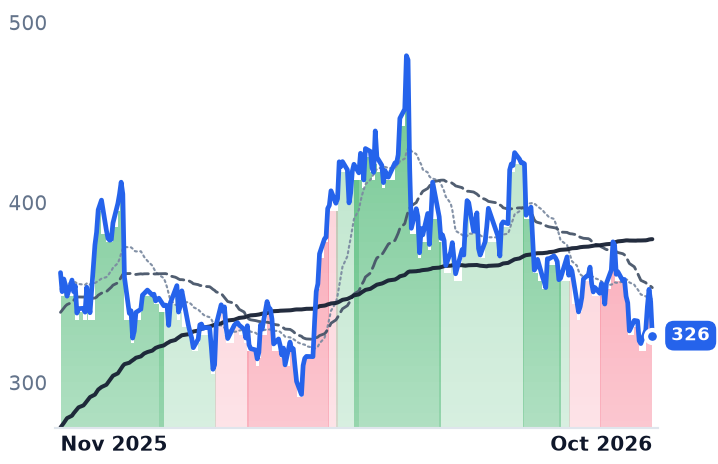
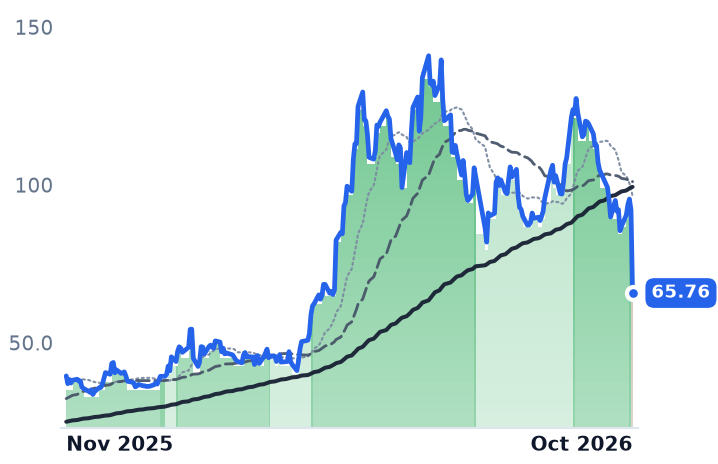
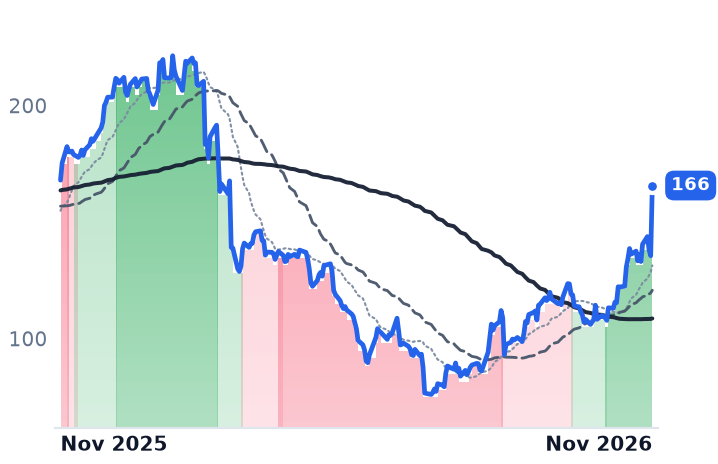
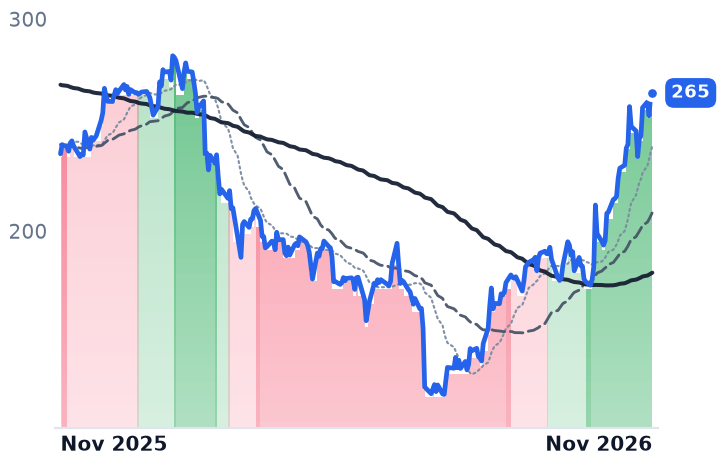
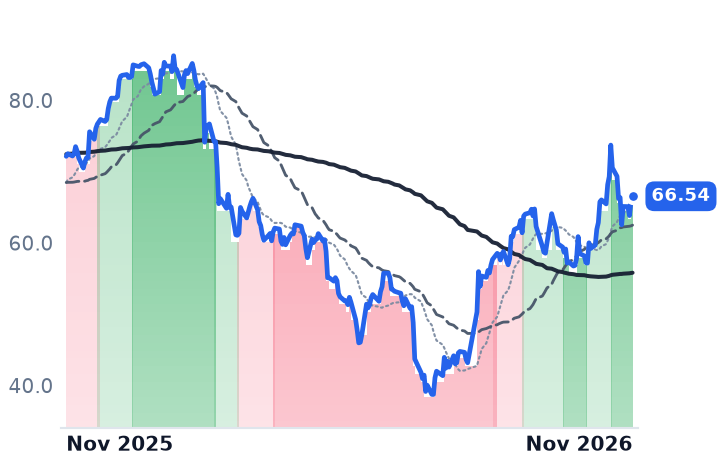
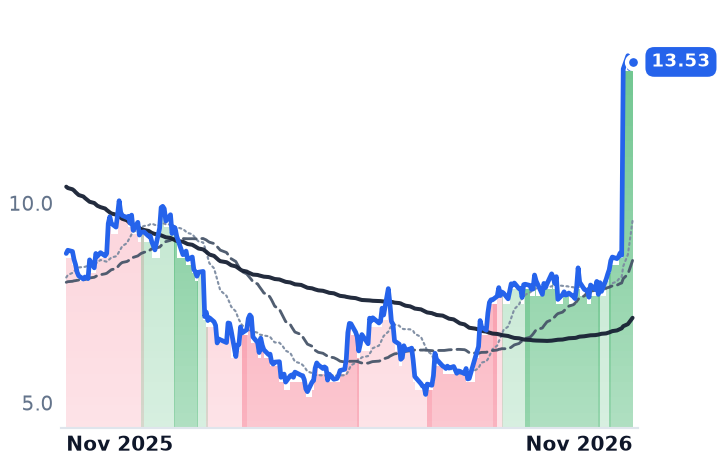
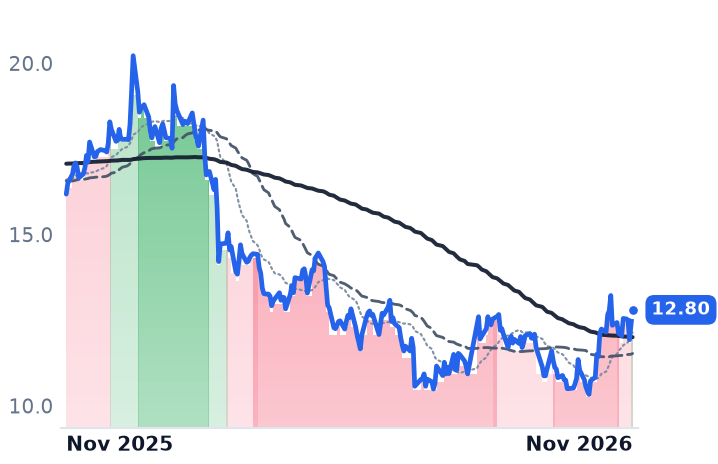
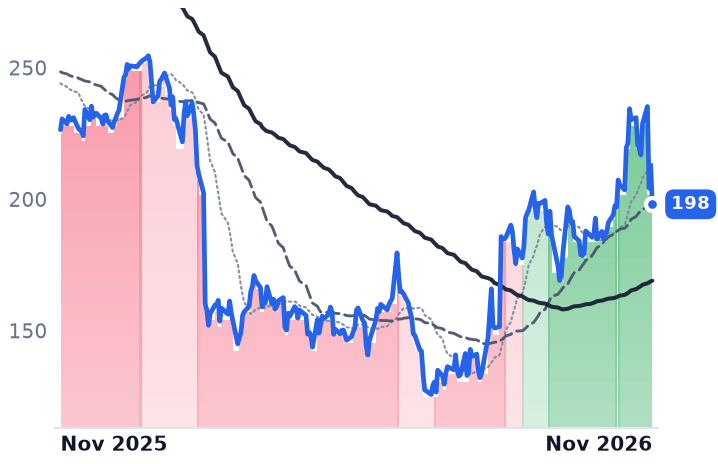
12-month price & trend
| Ticker | Mkt cap | P/E | P/E fwd | P/S | P/S fwd | P/GP | P/GP fwd | EV/EBITDA | FCF yld |
|---|---|---|---|---|---|---|---|---|---|
EPAM | $8.5B | 20.7x | 12.6x | 1.5x | 1.5x | 5.2x | 5.2x | 10.5x | 5.5% |
ACN | $162.3B | 19.4x | 18.1x | 2.2x | 2.1x | 6.8x | 6.5x | 12.3x | 7.2% |
CTSH | $29.7B | 12.1x | 11.5x | 1.4x | 1.3x | 4.2x | 4.2x | 7.4x | 7.9% |
| Ticker | Mkt cap | P/E | P/E fwd | P/S | P/S fwd | P/GP | P/GP fwd | EV/EBITDA | FCF yld |
|---|---|---|---|---|---|---|---|---|---|
GDYN | $1.1B | 150.4x | 25.1x | 2.5x | 2.5x | 6.9x | 6.8x | 32.2x | 2.4% |
INFY | $51.9B | 20.9x | 16.0x | 3.4x | 2.5x | 11.3x | 8.4x | 14.6x | 5.3% |
IT | $12.4B | 17.5x | 13.5x | 1.9x | 1.9x | 2.8x | 2.8x | 10.6x | 10.4% |
| Ticker | Mkt cap | P/E | P/E fwd | P/S | P/S fwd | P/GP | P/GP fwd | EV/EBITDA | FCF yld |
|---|---|---|---|---|---|---|---|---|---|
SPY | $773.0B | — | — | — | — | — | — | — | — |
NVDA | $5.5T | 34.3x | 25.0x | 21.5x | 13.9x | 29.0x | 18.7x | 28.3x | 2.2% |
Consensus projections
| Ticker | FY2026E | FY2027E | FY2028E | |
|---|---|---|---|---|
EPAM | Revenue | +3.9% | +3.4% | +4.7% |
| EPS | +15.1% | +6.9% | +7.2% | |
ACN | Revenue | +6.0% | +5.3% | +5.1% |
| EPS | +7.6% | +5.9% | +8.7% | |
CTSH | Revenue | +4.8% | +3.8% | +4.3% |
| EPS | +11.2% | +8.6% | +7.9% | |
GDYN | Revenue | +7.0% | +9.8% | +11.4% |
| EPS | +36.6% | +12.7% | +16.1% | |
INFY | Revenue | +1.6% | +5.4% | +3.2% |
| EPS | +2.4% | +5.3% | +4.5% | |
IT | Revenue | −1.2% | +4.2% | +5.1% |
| EPS | +13.2% | +13.8% | +14.8% | |
NVDA | Revenue | +65.1% | +84.2% | +43.2% |
| EPS | +59.0% | +91.7% | +42.0% |
Forward fiscal years only. Blank means no analyst coverage for that year.
EPAM Systems, which builds custom software and runs testing and infrastructure work for banks, life-sciences companies and software firms, told investors on 5 November that third-quarter gross profit grew 17.4% while revenue grew 2.3%. The gain came from what the company charges and what mix it charges for, while its engineers got less busy: utilization slipped to 76.5% from 78.3% in the second quarter, and delivery headcount rose 2.2% to more than 57,350, within a tenth of a point of revenue growth.
That matters because the whole shelf was marked down through the year on one belief: that generative AI deletes the billable hour from underneath a staffing model. The print was read as a refutation, and the shares rose 22.3% in the session. What the numbers establish is narrower and more useful. The hours are not multiplying; the price of the right hours is improving, and the improvement is distributed by where a firm sits in the delivery chain.
Where the 180 basis points came from
EPAM attributed the widening to pricing improvements, better fixed-fee profitability, India efficiency and higher-margin AI-native work, which reached more than $185m in the quarter, about 13% of revenue against roughly 11% the quarter before. "EPAM now expects to generate at least $650 million in AI-native revenues in 2026, an increase from our original target of $600 million," chief executive Balázs Fejes said on the call.
Two things sit against it. Roughly 70 basis points of this year's gross margin is a Poland research-and-development tax benefit worth about $40m in 2026, which halves to about $20m next year. And fourth-quarter organic constant-currency growth is guided to 0.5% to 1.6%, with software and high-tech clients redirecting budget to tokens and graphics processors; that vertical fell 6.1%.
Asked when double-digit growth returns, Fejes answered: "Jamie, at a very high level, definitely not in 2027."
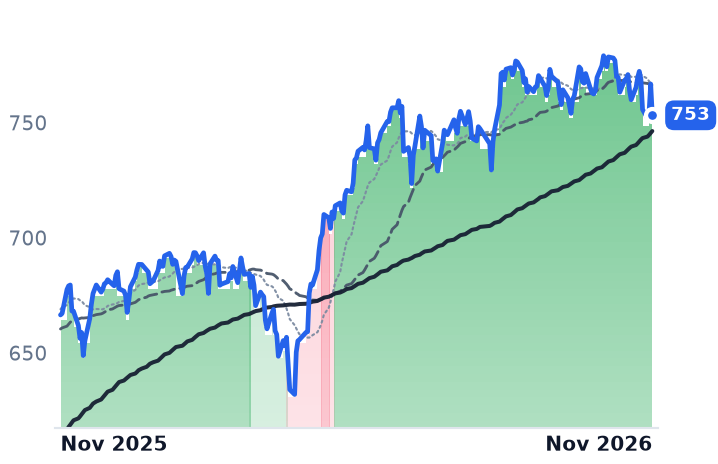
EPAM trades at 12.6 times forward earnings against 20.7 times trailing, the market pricing a large earnings recovery. The shares are 118% above their 22 June low of $76.04 and still a quarter below the twelve-month high. Three of the four price targets raised on 5 November sat below the $165.70 close.
Ninety thousand dollars a head behaves differently from sixty-three
Accenture, the Dublin-headquartered consultancy with 814,000 staff, earns about $91,800 of annualized revenue per employee on its fourth-quarter run rate. Chair and chief executive Julie Sweet told investors on 1 October that revenue per person rose in fiscal 2026, with headcount up 5% against revenue up 6.5%. The company also conceded that fourth-quarter pricing declined across many business areas, and guided fiscal 2027 revenue growth to 3% to 6% in local currency, of which 2 to 2.5 points is acquisitions. It no longer breaks out generative-AI bookings at all, counting AI as part of nearly everything it sells. At 18.1 times forward earnings against the 12.3 times recorded in mid-August, two-thirds of its de-rating gap has closed.
Cognizant, the Teaneck outsourcer with 356,700 staff, earns about $63,500 per head. Its adjusted operating margin reached 16.3%, a four-year high and a seventh straight quarter of expansion. "AI is a tailwind. There is no doubt in my mind," chief executive Ravi Kumar said on 29 October. The order book disagrees on size: quarterly bookings fell 7% and full-year constant-currency guidance was cut to 4.0%-4.4% from 4.0%-5.5%, citing discretionary pressure in healthcare and consumer sectors. At 11.5 times forward earnings it remains below the 14-15 times recorded in May.
Infosys is the same mechanism at the other pole. On 23 October it cut fiscal 2027 growth to 1%-2% constant currency, naming broad-based AI productivity pricing pressure and deals walked away from worth 1.8%-2% of revenue, while booking $5.2bn of large-deal contract value across 19 deals. "Volume was softer, and price increases were lower than anticipated amidst high competitive intensity," chief financial officer Jayesh Sanghrajka said.
The work is there. The realization per hour is not.
The one firm where headcount actually fell
Grid Dynamics, a digital-engineering shop serving Fortune 1000 retail, technology and telecoms clients, posted record revenue of $114.3m, up 9.7%, while headcount fell 8.3% to 4,559. Non-GAAP gross margin hit 40.6%, up 370 basis points sequentially, and revenue per employee crossed $100,000 for the first time. "In a sector where headcount and revenue have historically moved in lockstep, Grid Dynamics is demonstrating that the two can and should be decoupled," chief executive Leonard Livschitz said on 29 October. It carries 25.1 times forward earnings, roughly double EPAM's, on a 2.4% free-cash-flow yield against EPAM's 5.5%, and sits within 1% of its twelve-month high.
Why rotation did more of the work than the prints
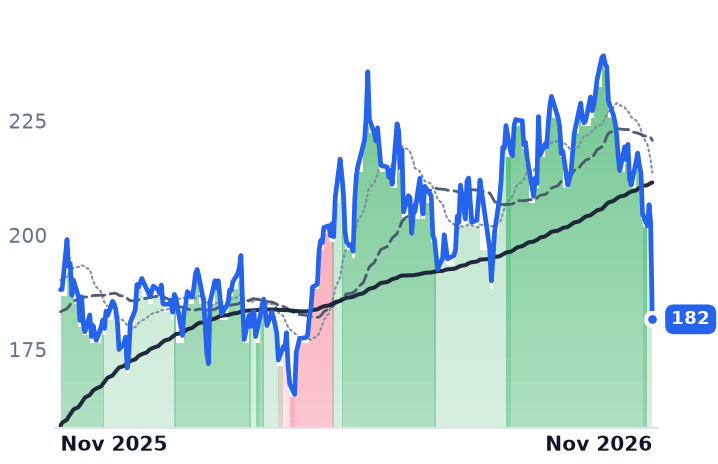
EPAM's 22.3% session landed on the day the S&P 500 fell 4.4% and AI data-center names were dumped, with Nvidia down about a tenth. Over the 30 days to 5 November, Accenture gained 37.1% without publishing anything new since its 1 October results, Grid Dynamics 73.1% and Cognizant 16.3%, while the index fell 3.3%. The bid was selective: Gartner, which sells research subscriptions on contract value, fell 13% on 3 November after raising guidance, because contract value grew only 2.5%.
So the results account for the direction and little of the magnitude. Margin and price per head confirm the turn at the premium end, where firms sell scarce engineering judgment and can hold rate; they contradict it where the deliverable is hours and the client now expects the AI discount. Volume contradicts it everywhere, with EPAM, Accenture and Cognizant all guiding growth lower in their most recent prints. The likelier reading of the 30-day move is rotation out of AI hardware into the layer AI was supposed to delete, and on that reading EPAM and Cognizant still carry multiples below their own recent history while Accenture and Grid Dynamics have largely closed the gap.
The test arrives next year, and it is not a demand test. EPAM's three new multi-year deals ramp through the first half of 2027 with start-up costs hitting margin before the revenue arrives, the Poland tax benefit drops by about $20m, and variable compensation normalizes. Whatever pricing power the premium shops have built will have to show up with none of this year's help.