
Hertz's Per-Car Depreciation Is Rising Twice as Fast as the Rate It Charges to Rent Them
Hypothesis Opus 5 · Research Opus 5 · Writing Opus 5 · Prompt v1.7
A car rental company's revenue line cannot say whether renting cars is profitable, and at Hertz the two halves of the answer are now moving in opposite directions. Revenue per day reached $62.11 in the June quarter, up 9% from a year earlier, while the monthly depreciation charge on each vehicle rose 18% to $302 — a cost that is management's own estimate of what a car bought a year or two ago will fetch second-hand, revised prospectively.
The June guidance cut that turned April gains on vehicle sales into May losses forced a $100m equity sale at $2.70 and drew a securities class action. The unit economics explain Hertz. They do not explain Avis Budget, whose per-unit fleet cost fell 4% to $290 a month while utilisation hit a second-quarter record of 72.6%, or Ryder, where used-truck prices still sit above the residuals it books.
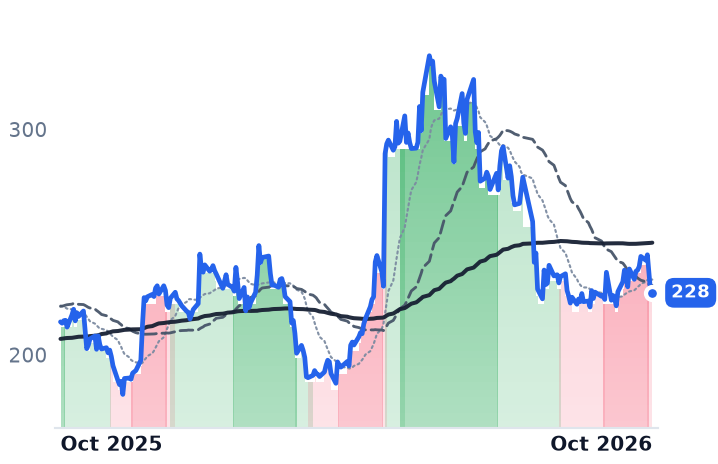
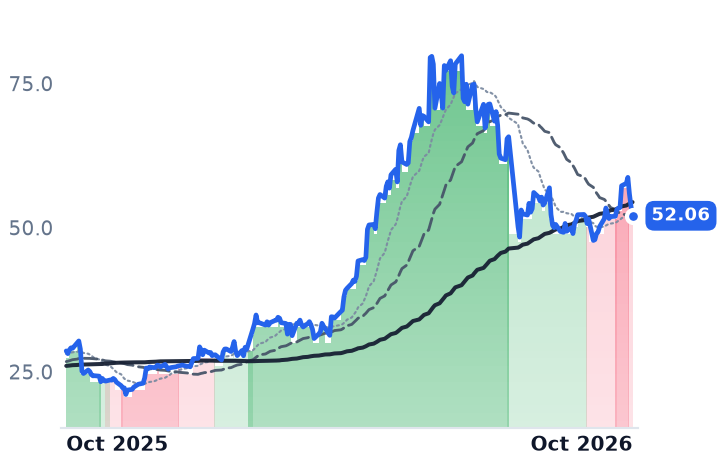
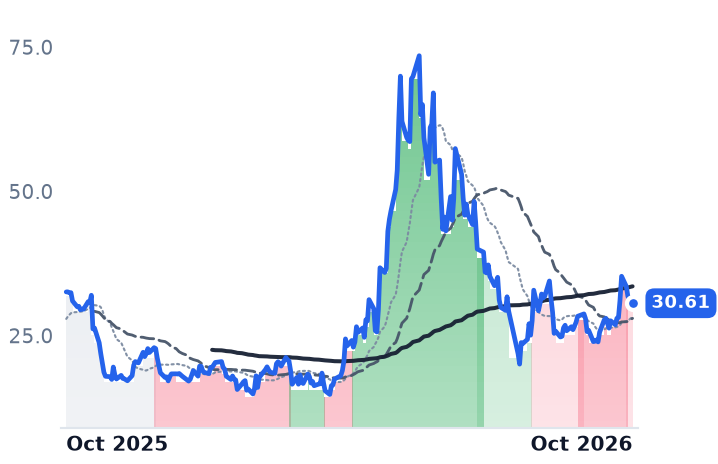
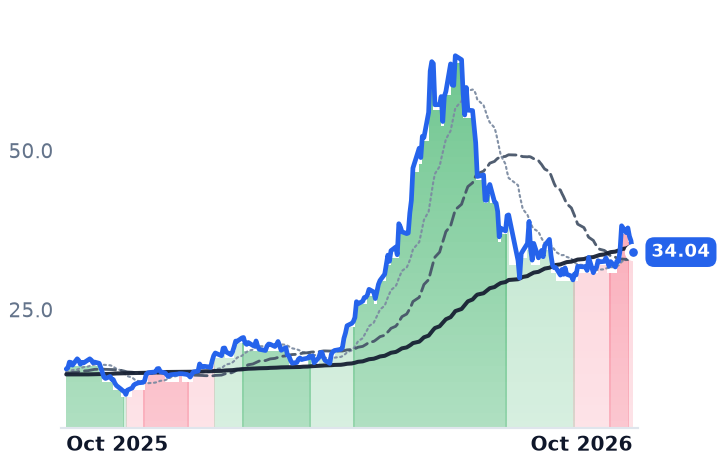
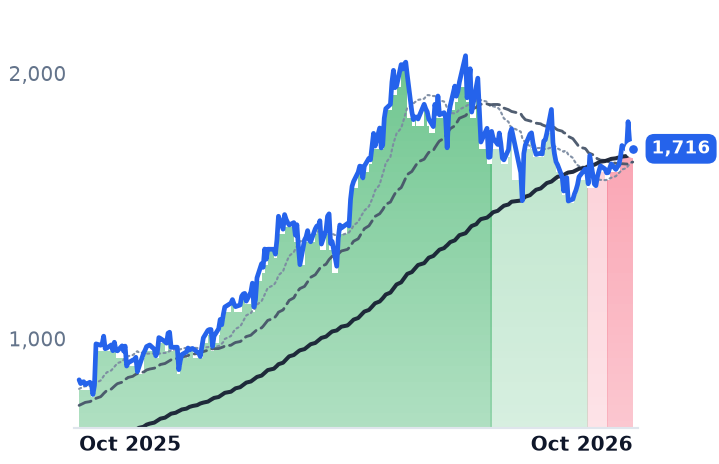
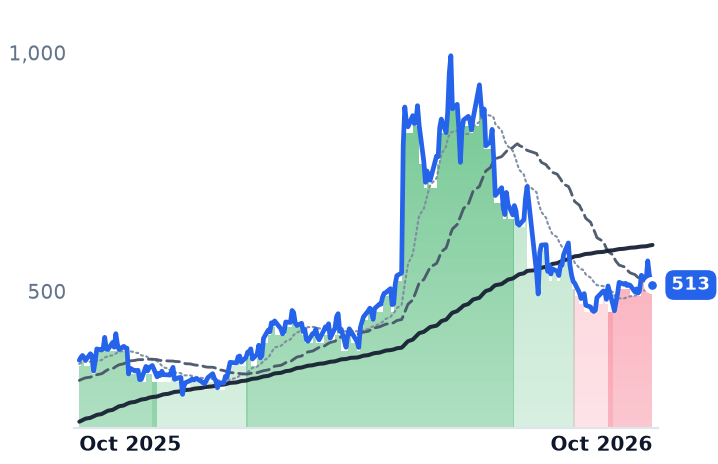
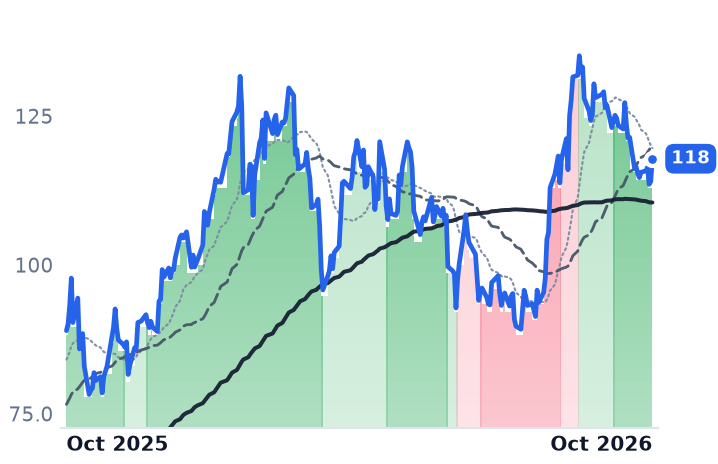
| Ticker | Company | Segment | Trend · 13mo | 30D | 1Y |
|---|---|---|---|---|---|
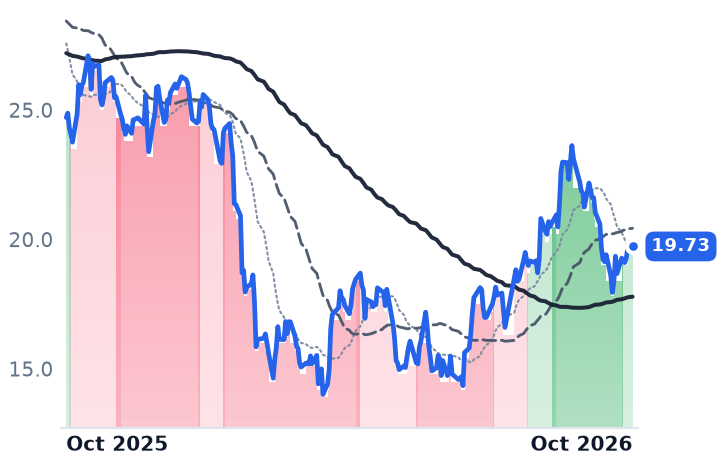
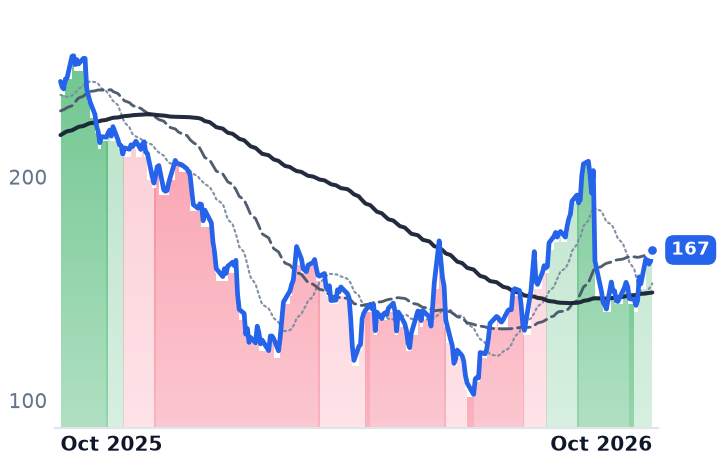
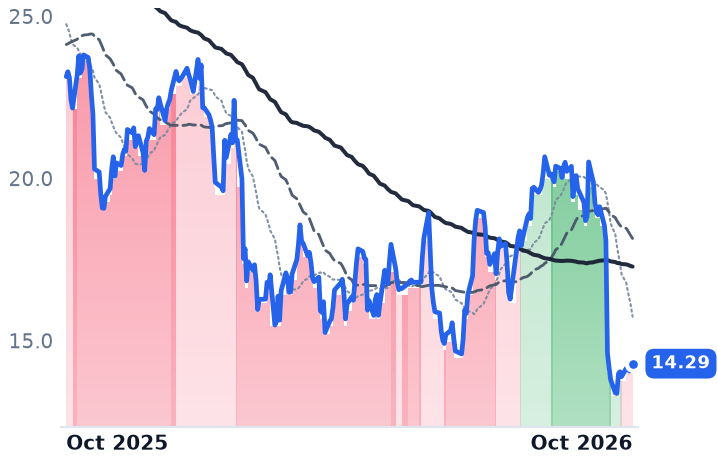
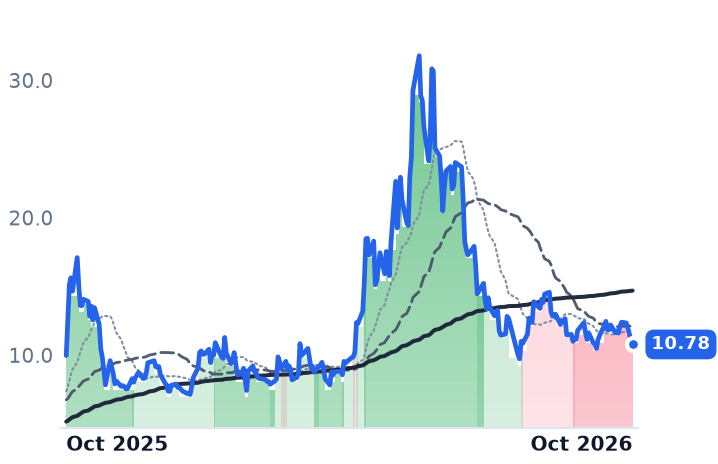
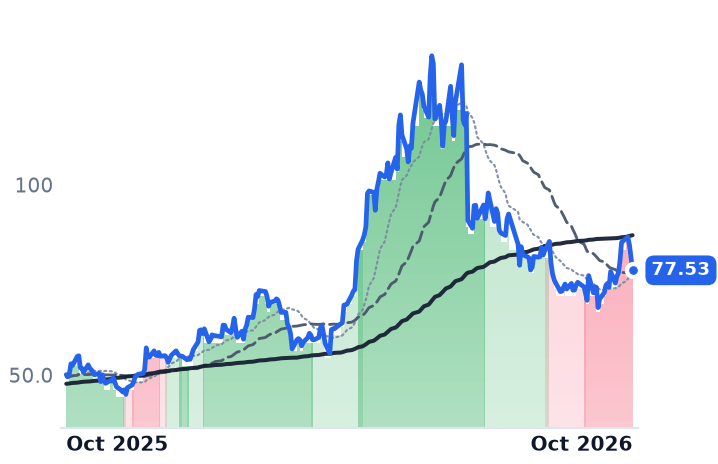
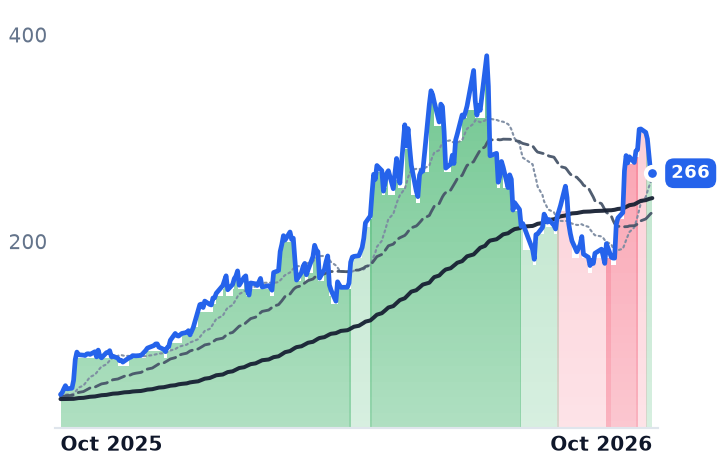
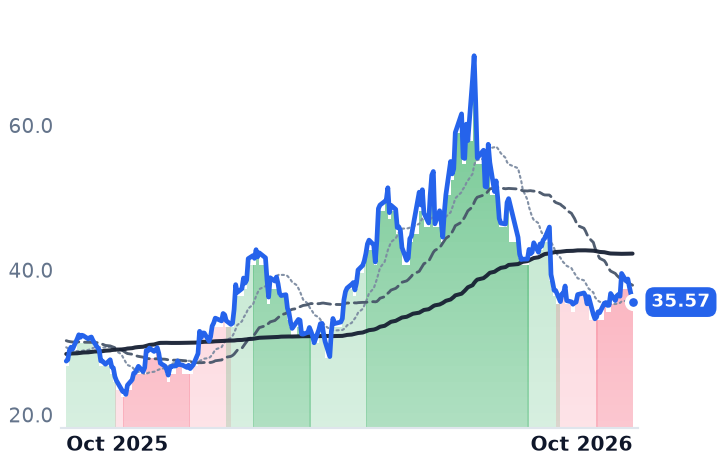
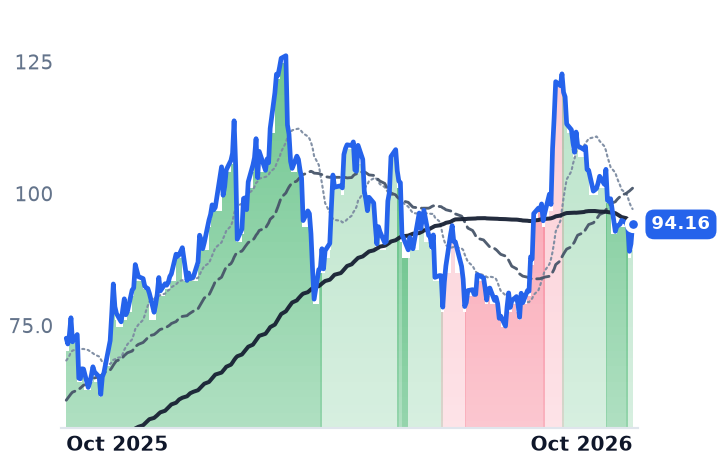
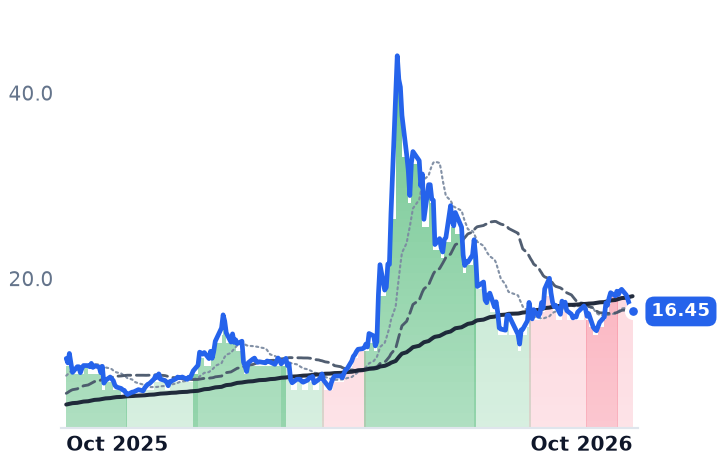
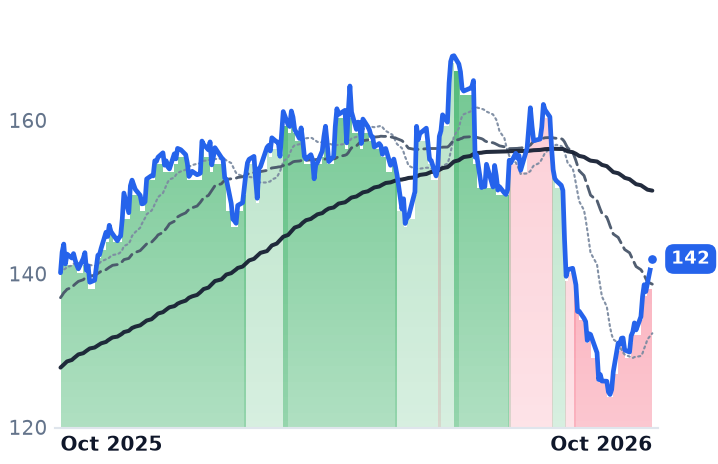
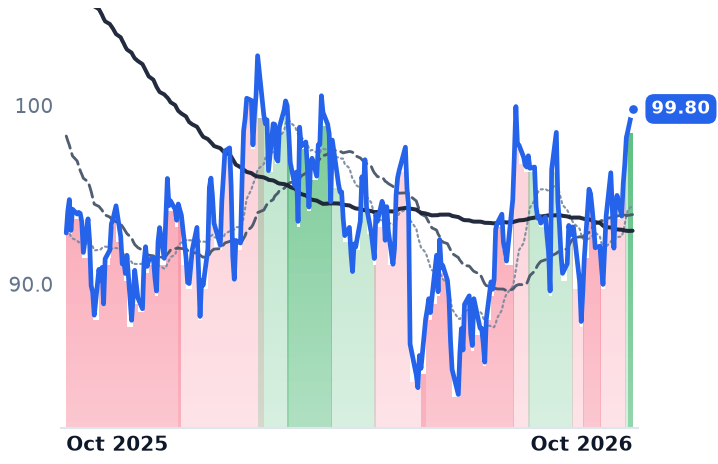
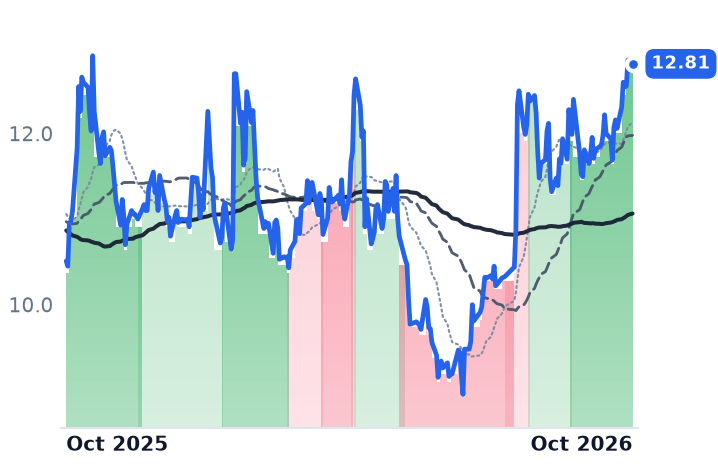
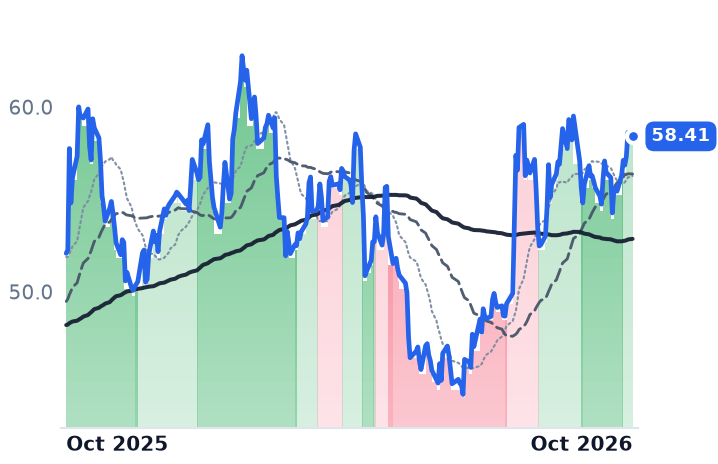
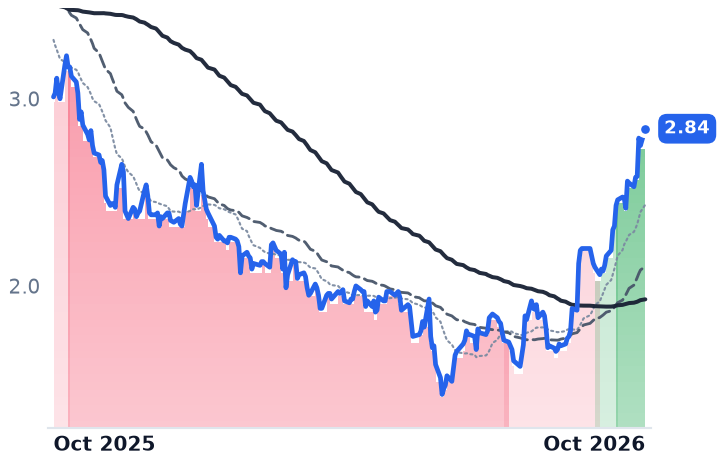
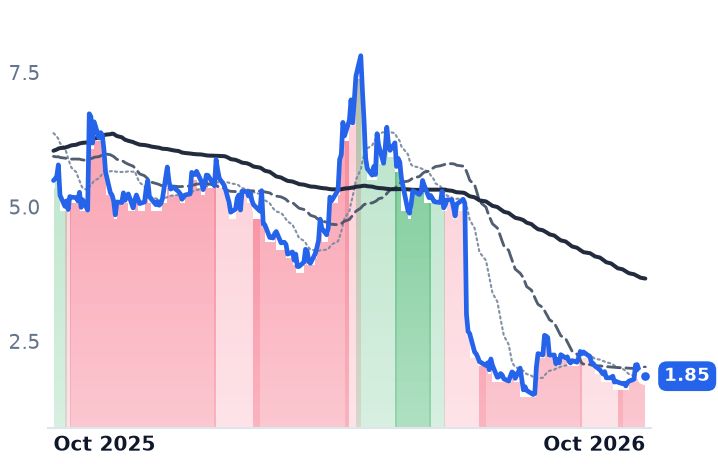
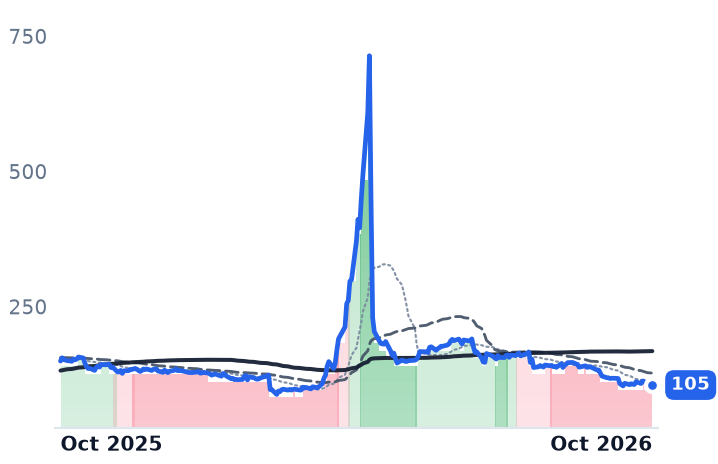
HTZ | Hertz Global | Vehicle & Truck Rental | 🔴 Cont. Bear | −6.1% | −66.3% |
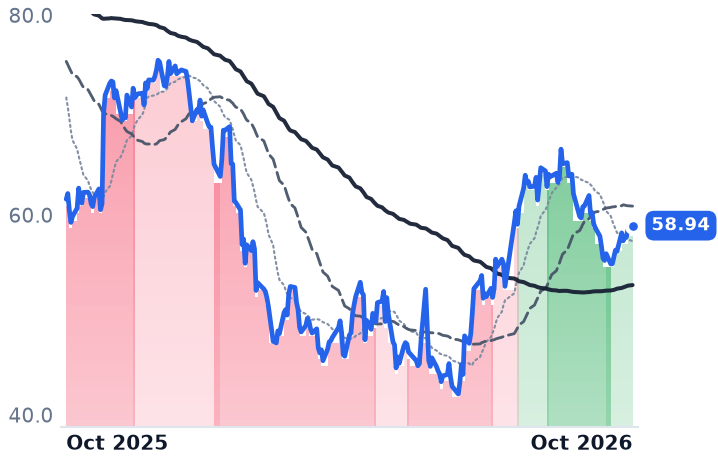
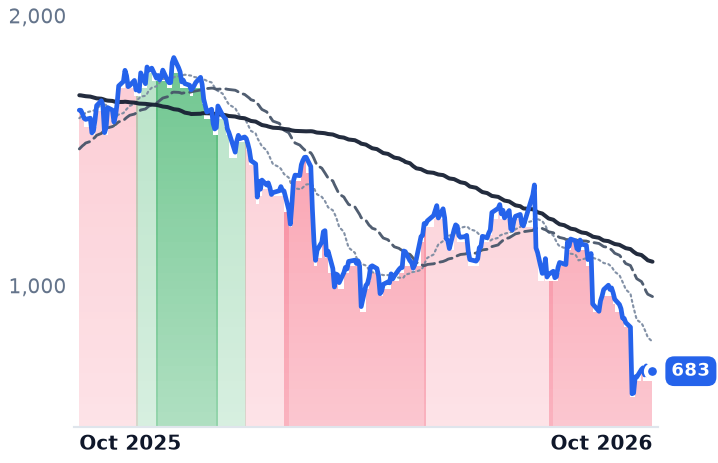
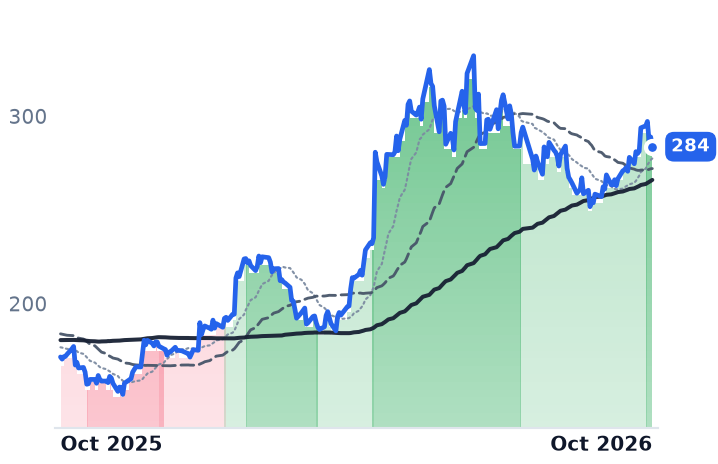
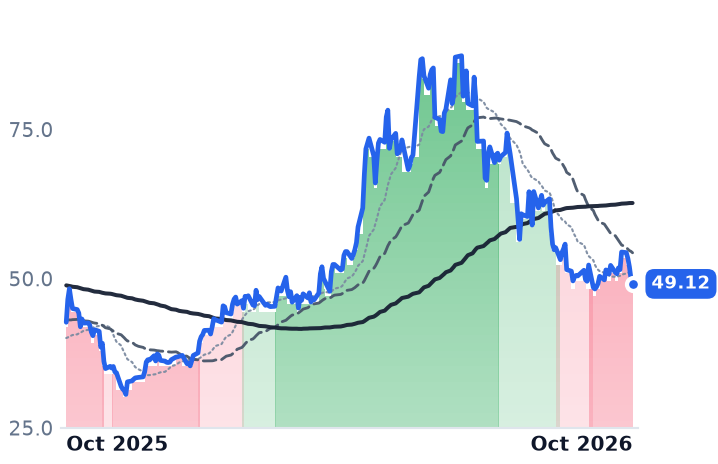
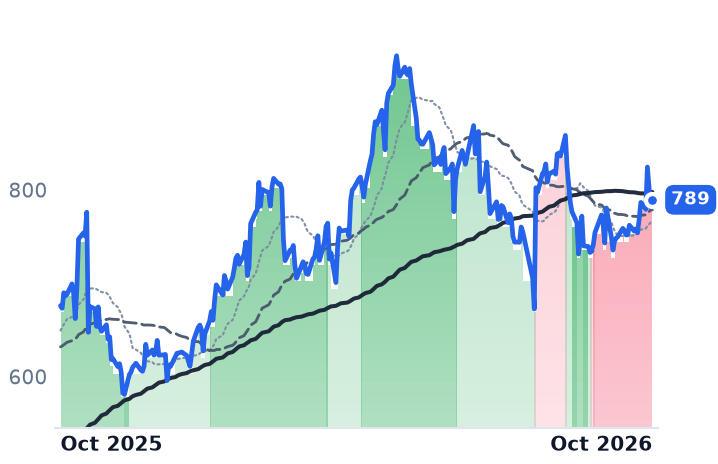
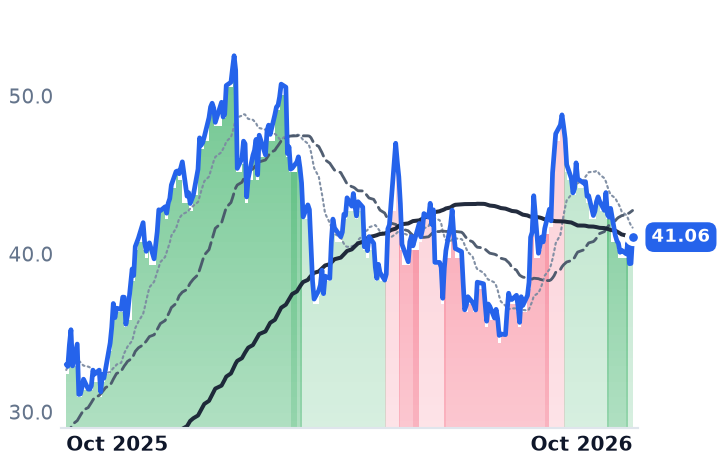
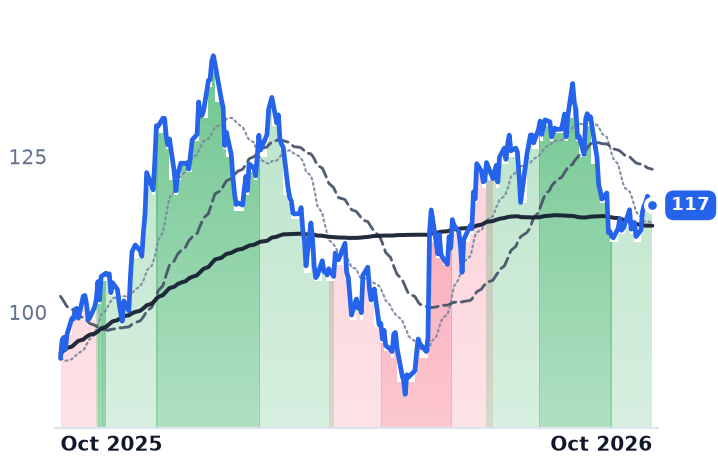
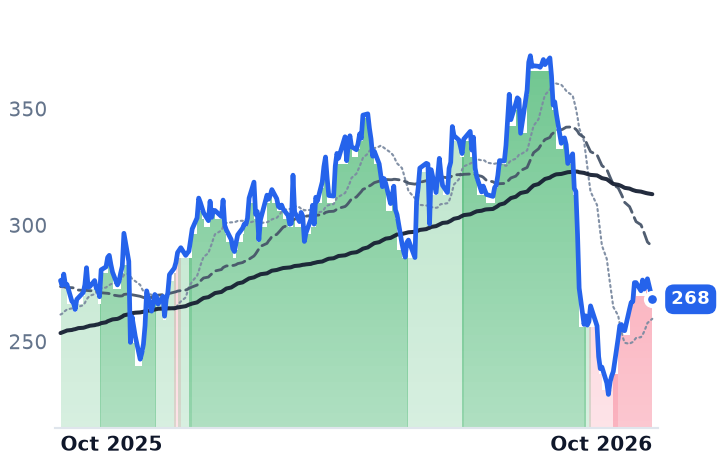
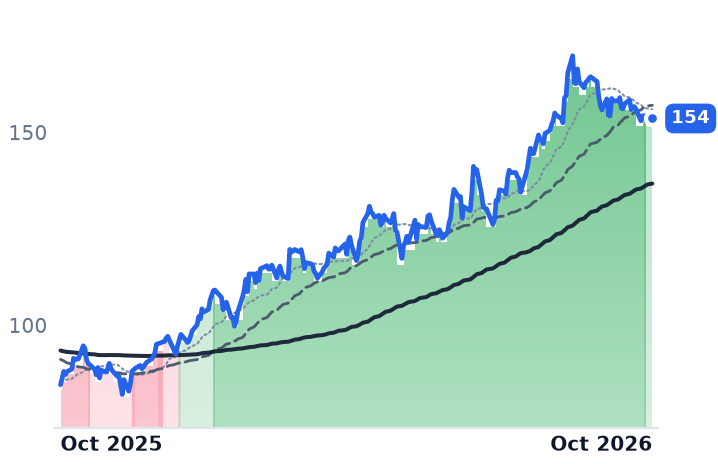
CAR | Avis Budget | Vehicle & Truck Rental | 🔴 Cont. Bear | −11.5% | −29.7% |
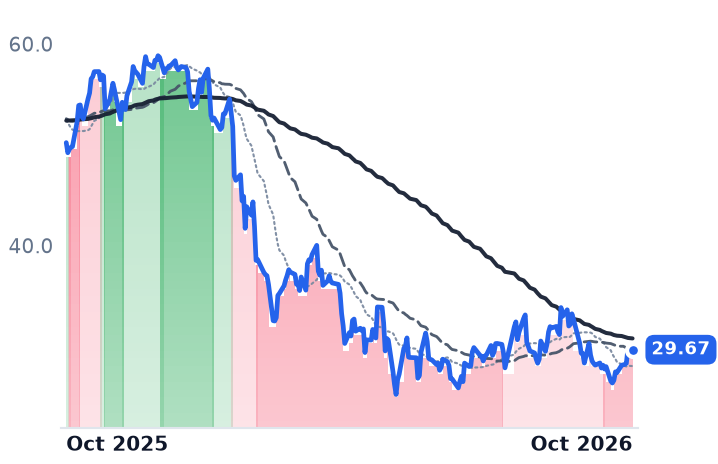
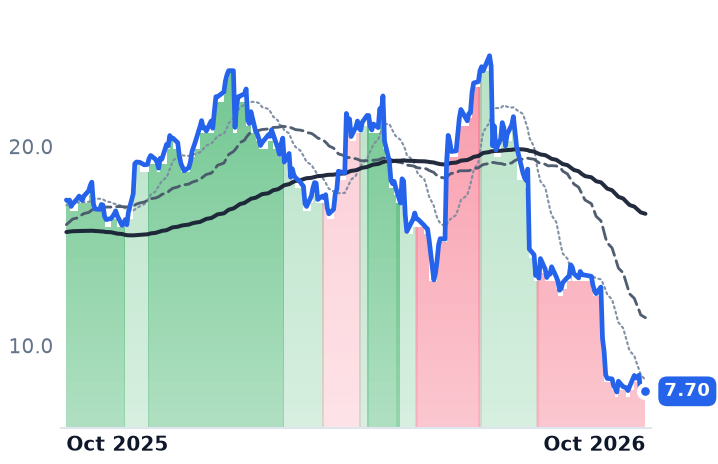
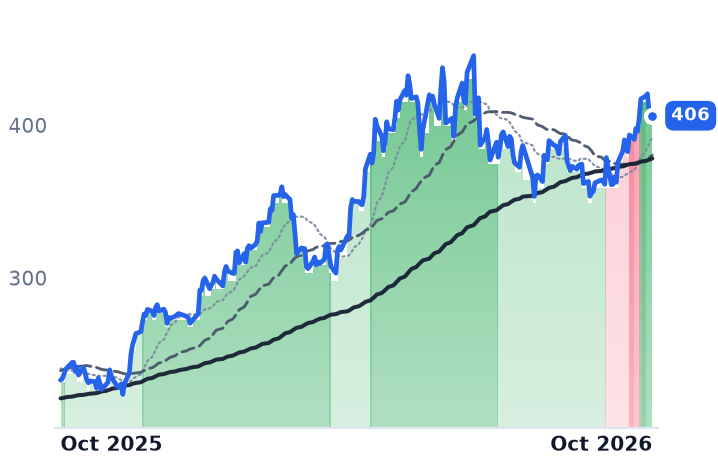
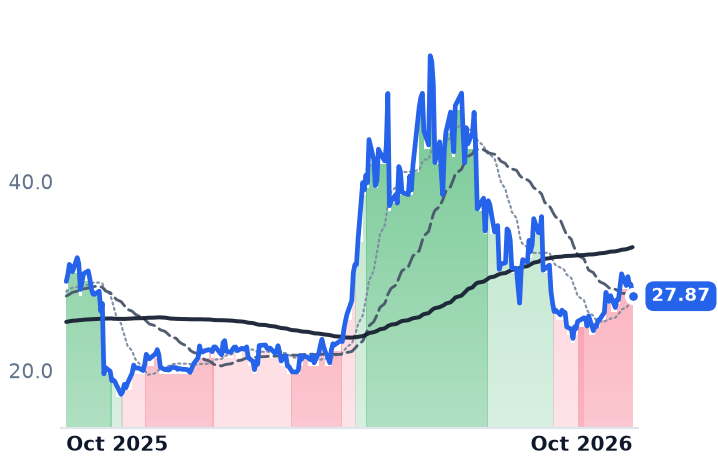
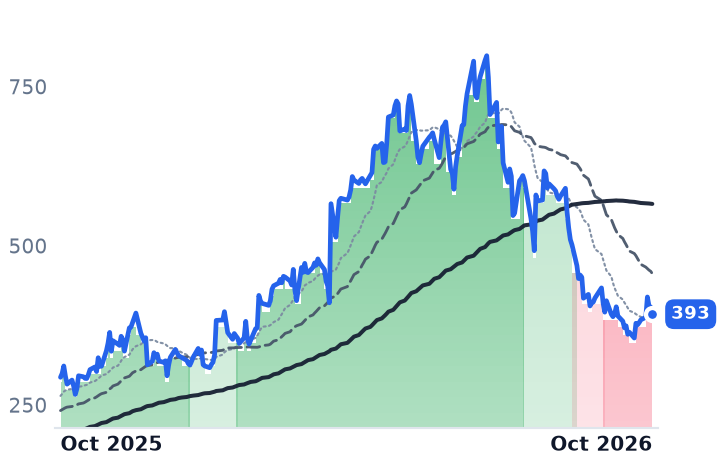
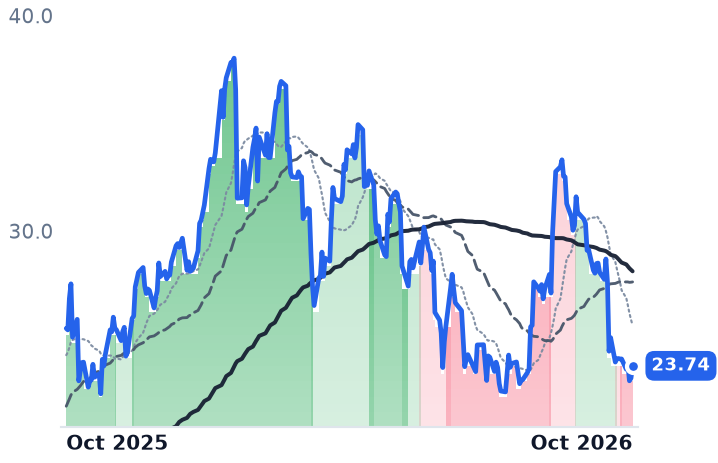
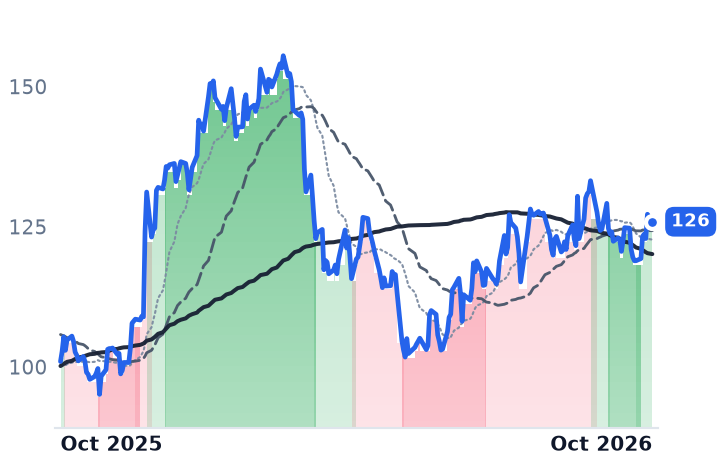
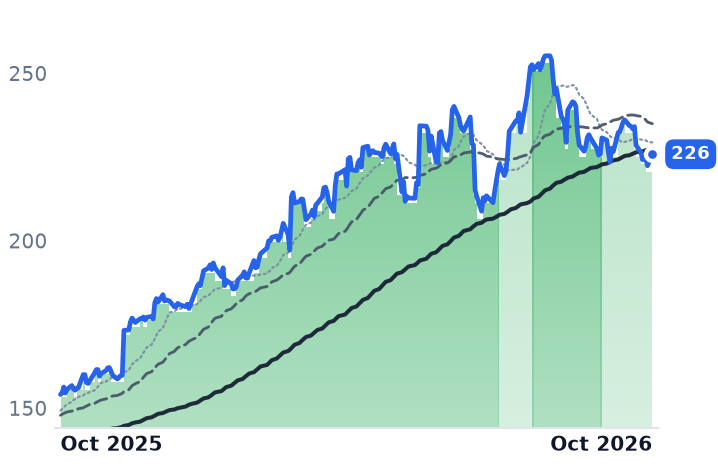
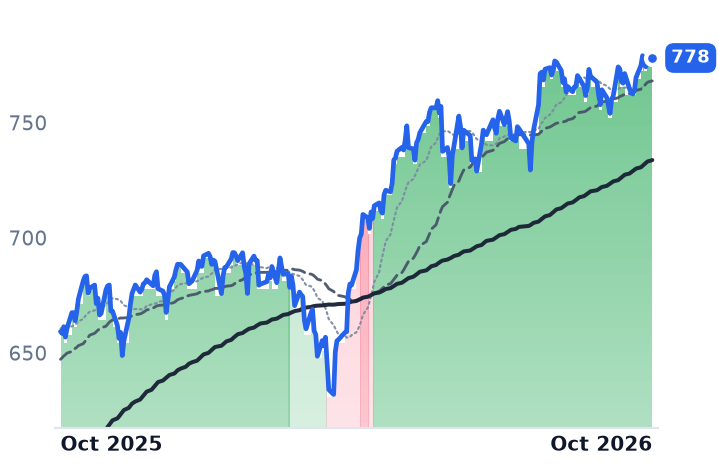
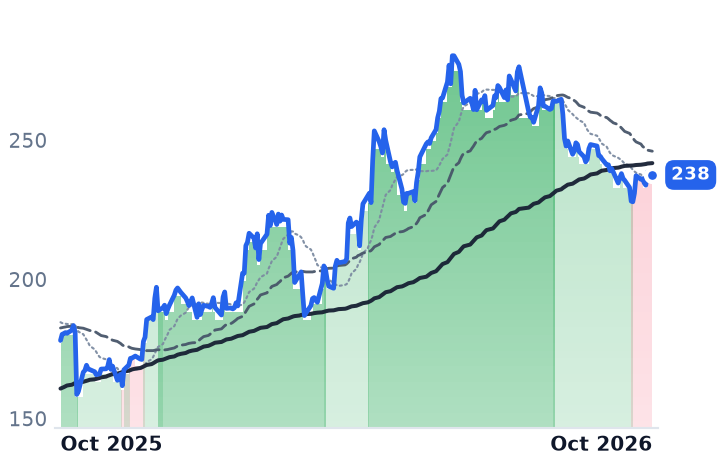
R | Ryder System | Vehicle & Truck Rental | 🟢 Cont. Bull | −1.5% | +33.4% |
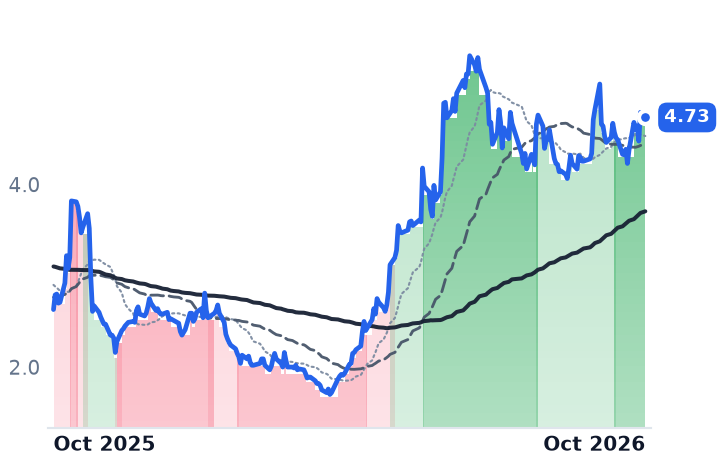
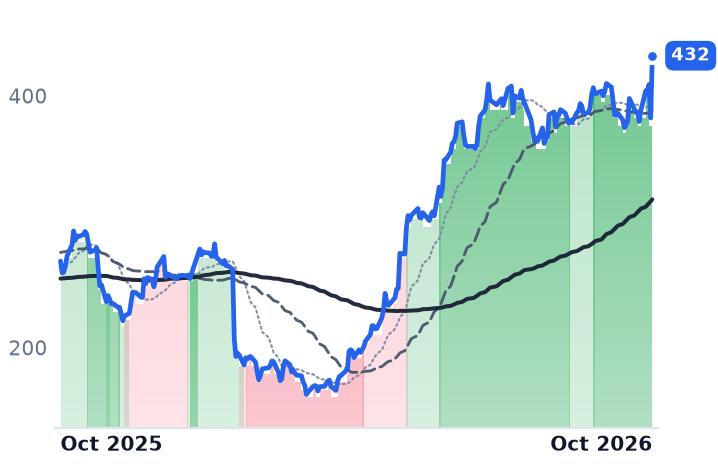
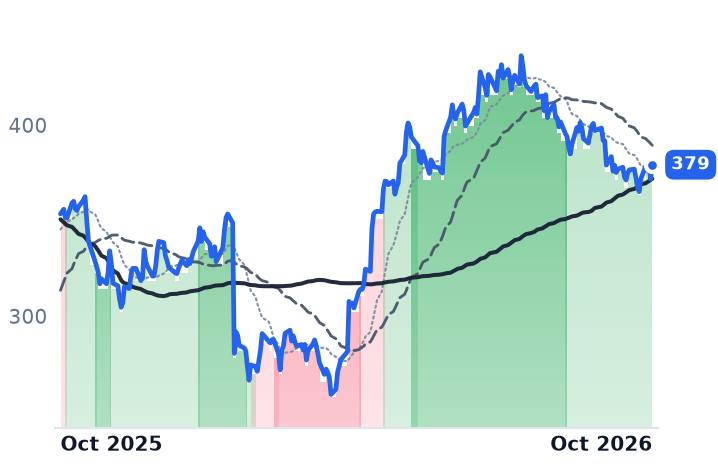
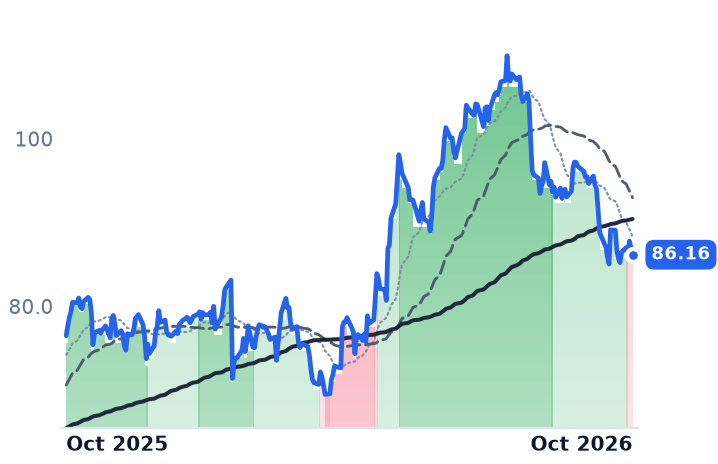
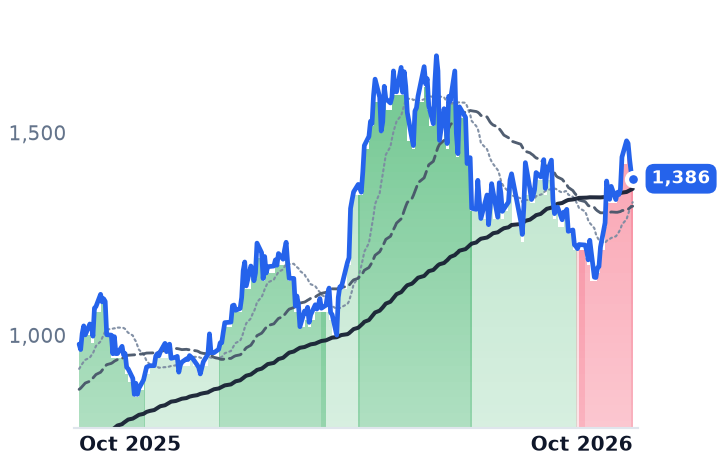
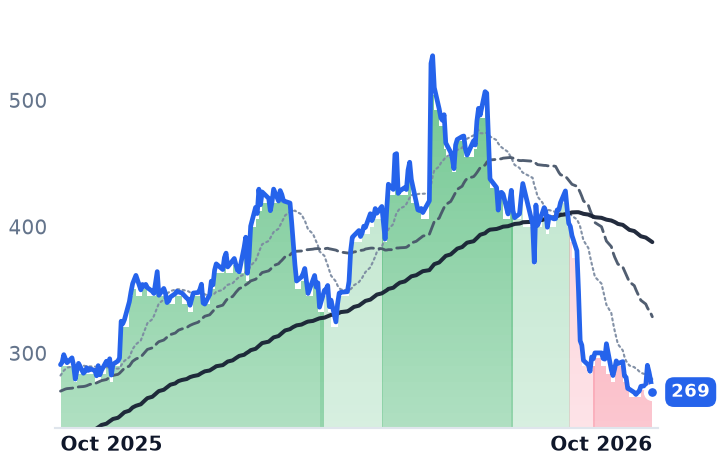
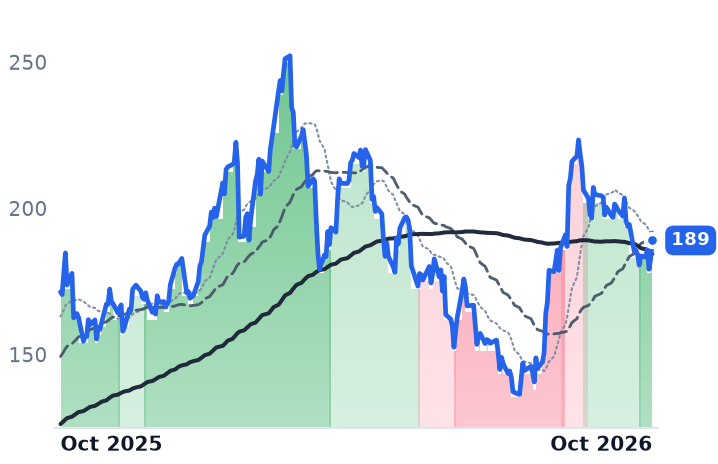
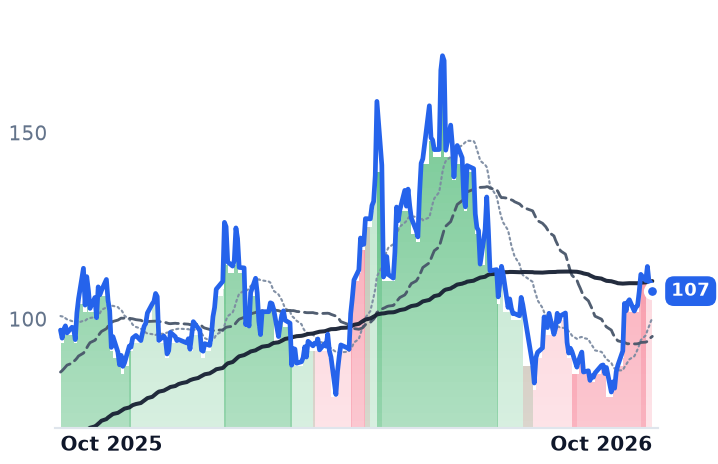
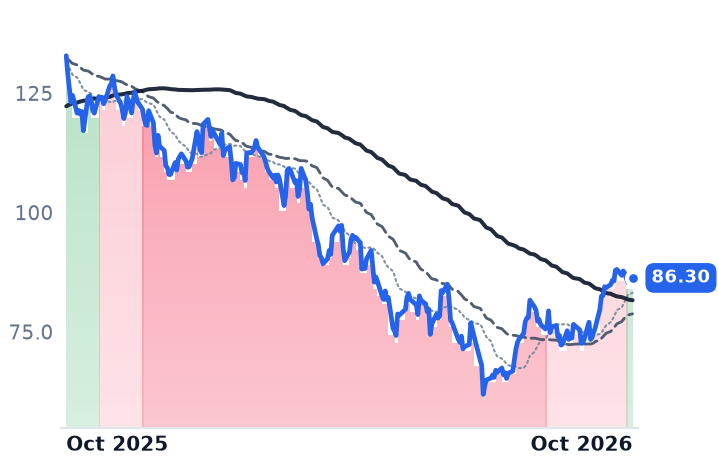
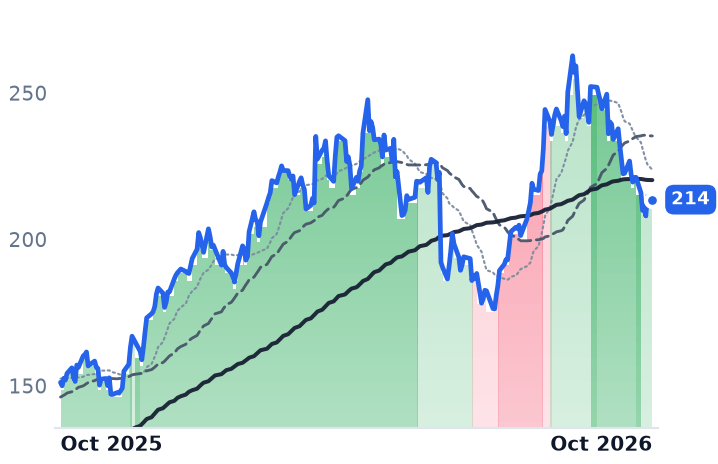
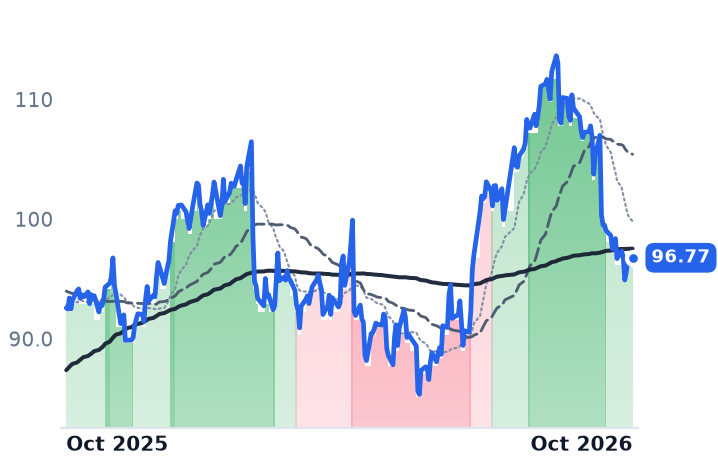
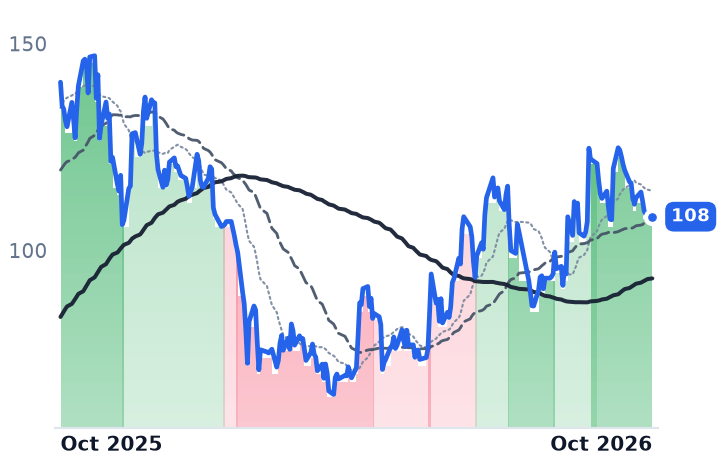
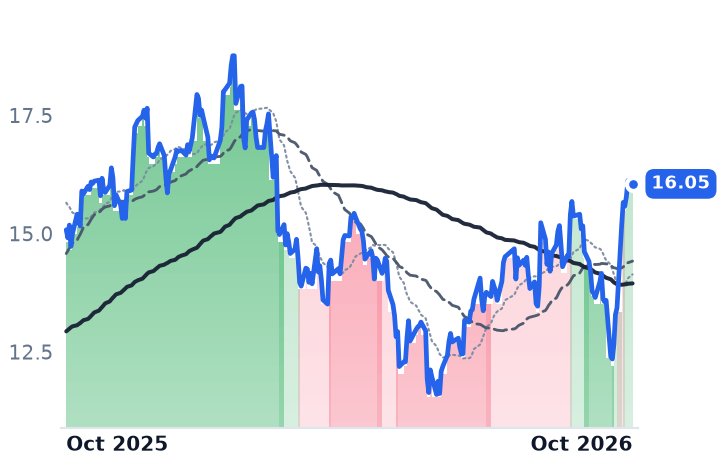
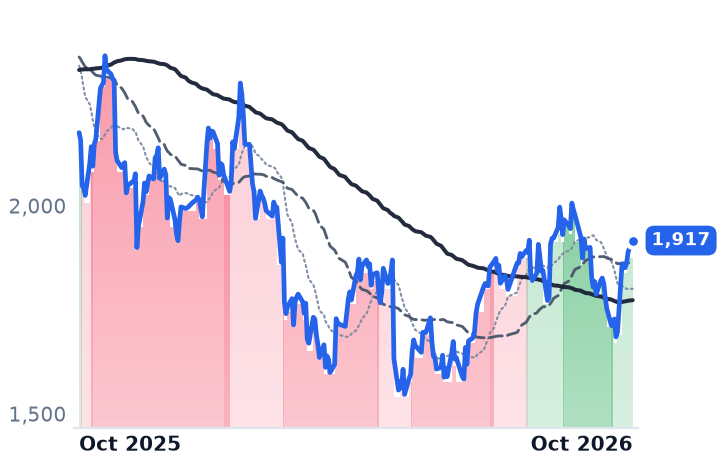
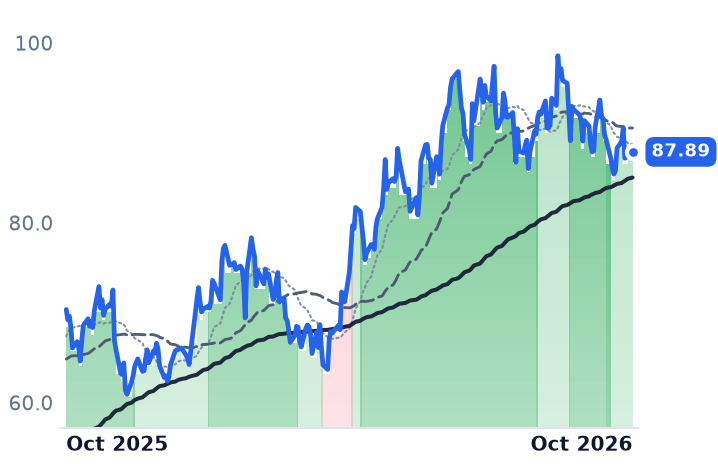
12-month price & trend
| Ticker | Mkt cap | P/E | P/E fwd | P/S | P/S fwd | P/GP | P/GP fwd | EV/EBITDA | FCF yld |
|---|---|---|---|---|---|---|---|---|---|
HTZ | $584.1M | n/m | — | 0.1x | 0.1x | 0.5x | 0.5x | 7.0x | -1449.2% |
CAR | $3.7B | n/m | 34.2x | 0.3x | 0.3x | 1.0x | 1.0x | 5.8x | -307.1% |
R | $9.1B | 19.3x | 16.2x | 0.7x | 0.7x | 3.7x | 3.6x | 4.7x | 7.5% |
Consensus projections
| Ticker | FY2026E | FY2027E | FY2028E | |
|---|---|---|---|---|
HTZ | Revenue | +8.2% | +3.9% | +3.2% |
| EPS | −58.3% | −93.4% | −829.6% | |
CAR | Revenue | −0.9% | +1.5% | +2.7% |
| EPS | −54.1% | +90.5% | +36.0% | |
R | Revenue | +7.0% | +5.1% | +6.9% |
| EPS | +13.9% | +20.1% | +18.6% |
Forward fiscal years only. Blank means no analyst coverage for that year.
Hertz is charging more for a day's rental than in any second quarter on record outside the 2022 travel boom, and its cars are still getting more expensive to own. Revenue per day reached $62.11 in the June quarter, up 9% year over year, on total utilisation of 79% from a fleet 1% smaller than a year earlier. Over the same three months, net depreciation per unit ran $302 a month against $256, an 18% increase that the company attributed in part to the non-recurrence of prior-year tariff-related benefits.
That $302 is not a price anyone paid. It is Hertz's own estimate of what a vehicle bought twelve to twenty-four months ago will be worth when it is sold, charged monthly and revised prospectively, which means one change in residual assumptions moves reported profit without a single additional rental. The June warning was widely read as a passing used-car blip. In September the Manheim Used Vehicle Value Index printed 205.9, 0.6% below a year earlier on an adjusted basis and the first year-on-year decline of 2026, and Cox Automotive cut its full-year forecast for the index from a 2% gain to roughly 0.2%.
The $4 that came from the auction lane, not the counter
Hertz's gross depreciation per unit was $298 for the quarter. The gap to the $302 net figure came, in the company's prepared remarks of 6 August, from "the loss on sale of a concentrated mix of older vehicles and pressure on the wholesale market dynamics that have since normalized." The same remarks said the fleet strategy "should continue to yield strong near-term results and solidify the ability to deliver net DPU below $300 per month," with about 94% of the US core fleet model year 2025 or 2026 — a younger, smaller book rebuilt after the electric-vehicle write-down cycle.
"We're staying focused on what we can control, our fleet, our cost, our revenue performance, and the customer experience we deliver," chief executive Gil West told investors on the August 6 call.
The cost of getting the estimate wrong was demonstrated in June, when Hertz guided net depreciation per unit to roughly $300 because used-car softness converted April gains on vehicle sales into May losses, and trimmed adjusted corporate EBITDA guidance to $50m–$80m. On 24 June it priced 37,037,037 shares at $2.70 to raise $100m alongside $300m of exchangeable notes; diluted shares went from 314m in March to 418m in June. A securities class action followed, alleging that recurring used-market weakness was materially depressing both metrics.
The shares have fallen 73.5% in six months, from $6.99 in mid-April to $1.85, and the downtrend began on 10 June, two weeks before the capital raise was announced.
A thin equity sliver is not a cheap enterprise
At $1.85 the equity is worth $584m. Trailing earnings are negative, consensus still has 2026 at -$0.77 a share, and book equity is negative, so the only workable anchor is enterprise value against EBITDA: 7.03x trailing, which is dearer than Avis Budget at 5.83x. The low share price reflects what is left over after the fleet debt, not a discount on the business.
Avis cut its cost per car and fell harder
Avis Budget, which rents under the Avis, Budget, Payless and Zipcar brands, ran the meter the other way. Per-unit fleet cost fell 4% to $290 a month excluding currency, revenue per day held flat at $67.84, and a 5% smaller average fleet lifted utilisation 1.9 points to a second-quarter record 72.6%. Its shares are down 74.5% in six months, but the starting point was a closing peak of $713.97 on 21 April, after which Fugazi Research alleged a manufactured squeeze built on holdings of more than 49% by SRS Investment Management and about 20% by Pentwater Capital; the stock lost 67.9% across two sessions. Measured from a year ago it is down 32.4%, with unit costs lower and utilisation at a record — the part of the decline the fundamentals do not account for.
Avis still carries the residual risk on about 84% of its fleet and $19,850m of vehicle-programme debt struck against those same values. A one-percent residual error across the book is roughly $200m by that arithmetic, about 5% of the $3.71bn equity.
Ryder's residuals have not turned
Ryder is barely a rental company in earnings terms. More than 90% of its revenue sits under long-term contracts, lease capital spending is guided to $1.9bn against $200m for rental, and used truck and tractor prices rose 6% and 3%, still above the residual estimates it books for depreciation. Its stock is up 30.5% over twelve months; the 11.7% three-month slide left the multiple almost untouched at 19.28x trailing against 20.37x in early May, and the 29 September downgrade from Baird's Dan Moore cited elevated expectations rather than residual values.
The lag is the thing to watch there. September's weakness was concentrated where Ryder's book lives: non-electric wholesale prices fell 1.7% while electric values rose, and with diesel at record prices the days' supply of diesel vehicles reached 39, up 27% year over year. A full-service lease signed three years ago was priced off an assumed Class 8 residual, and that assumption pays out only when the truck is sold.
Ryder reports on 22 October, the first of the three and the first look at whether used-truck proceeds held above booked residuals through the September decline. Hertz follows on 5 November, when the quarter that contains that decline finally shows up in the only number that matters at its counter: what a car cost to own while someone else was driving it.