
Hesai Shipped 628,000 Lidars in the June Quarter and Booked $0.3m of Operating Income
Hypothesis Opus 5 · Research Opus 5 · Writing Opus 5 · Prompt v1.6
Automotive sensing is compounding in units and shrinking in dollars per unit, and the two listed suppliers selling into the same car are both on the wrong side of it. Hesai's second-quarter revenue rose 21.9% on 80% more lidars shipped, gross margin fell to 40.1% from 42.5%, and operating income came to almost nothing.
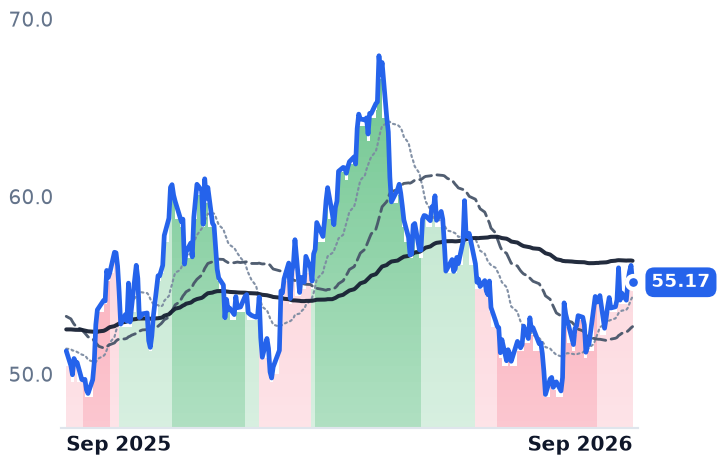
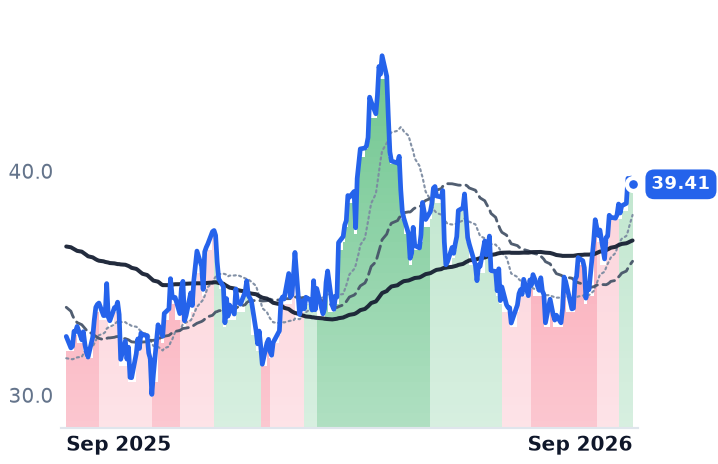
Mobileye bills the opposite meter — one vision chip per car — and its average system price slipped to $48.50 from $49.70 while gross profit fell 6.7% on flat revenue. Both share prices have tracked those profit lines down over twelve months, so the de-rating is earned. Mobileye's own timetable puts the content-per-vehicle uplift in 2028; Hesai's case is that cars take four lidars instead of one. Autoliv, on an 18.2% gross margin, is the only one of the three with real operating income.
| Ticker | Company | Segment | Trend · 13mo | 30D | 1Y |
|---|---|---|---|---|---|
| The subject · what this brief is about | |||||
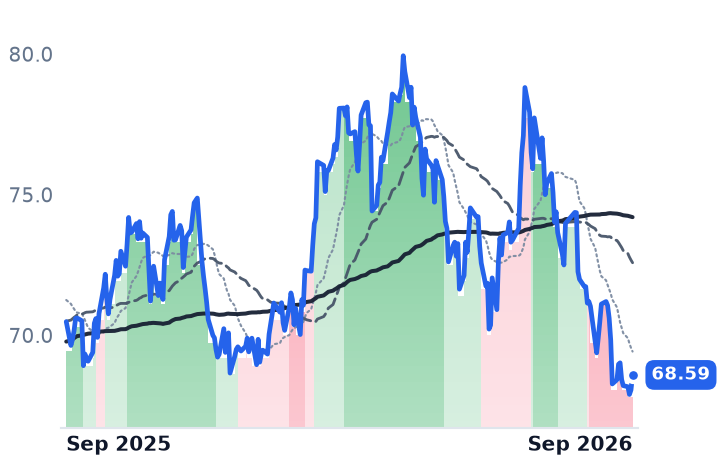
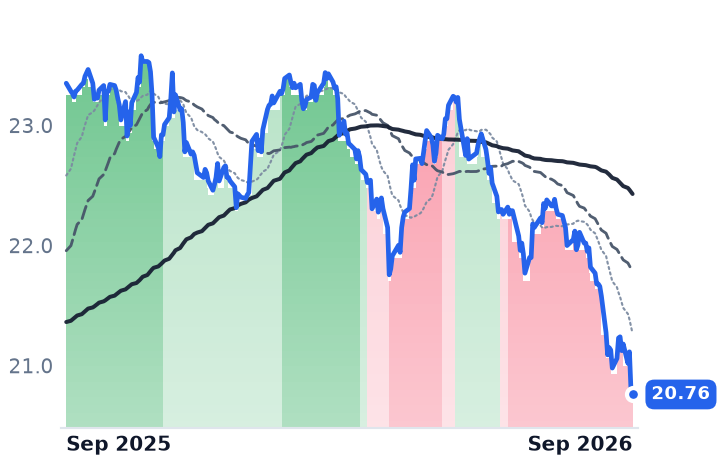
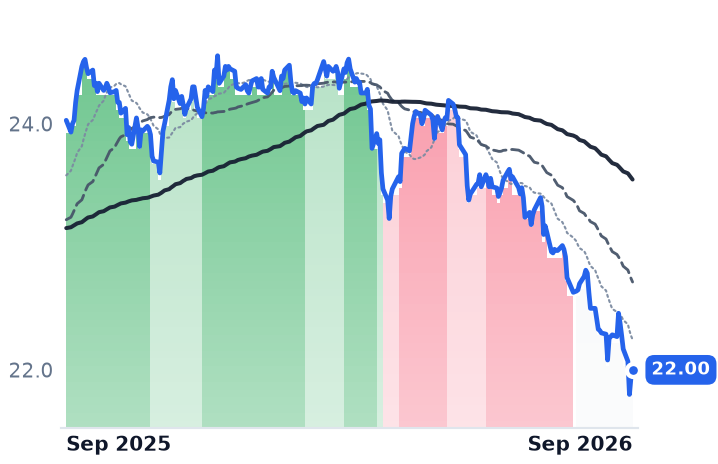
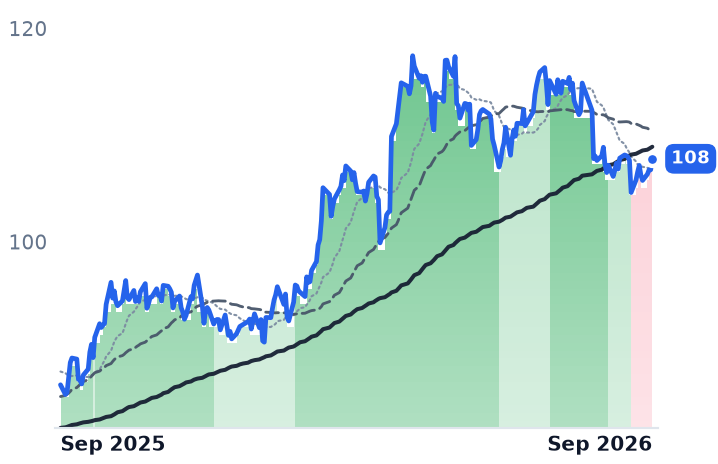
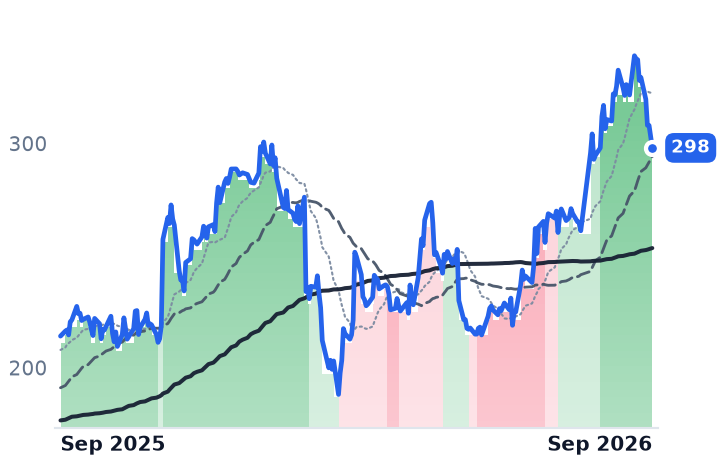
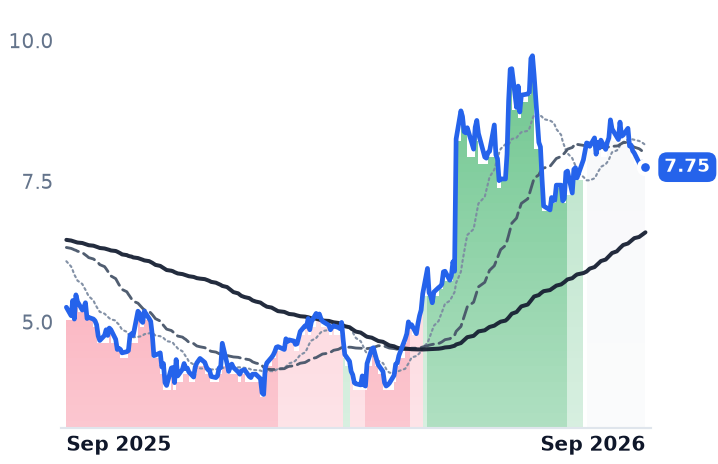
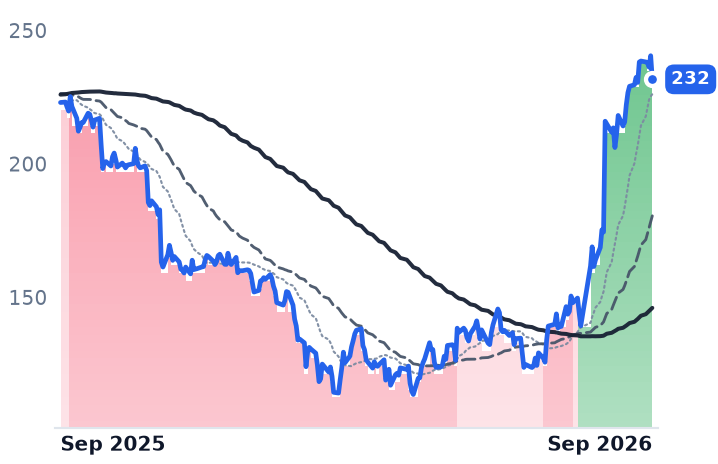
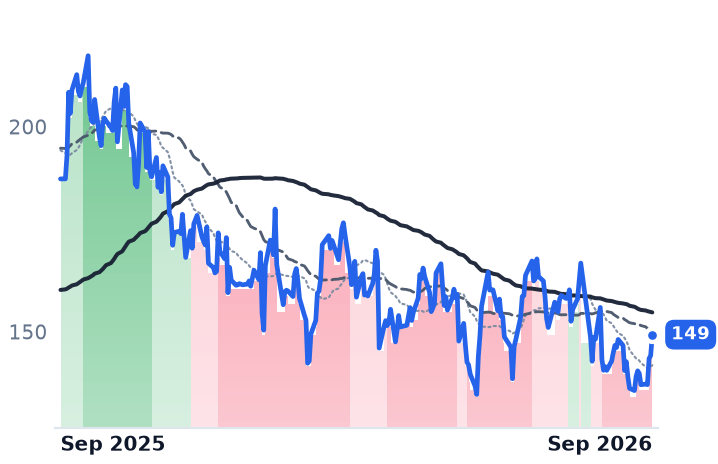
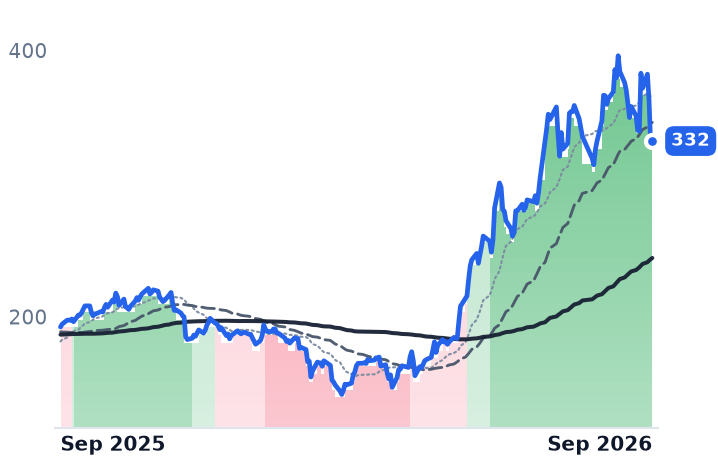
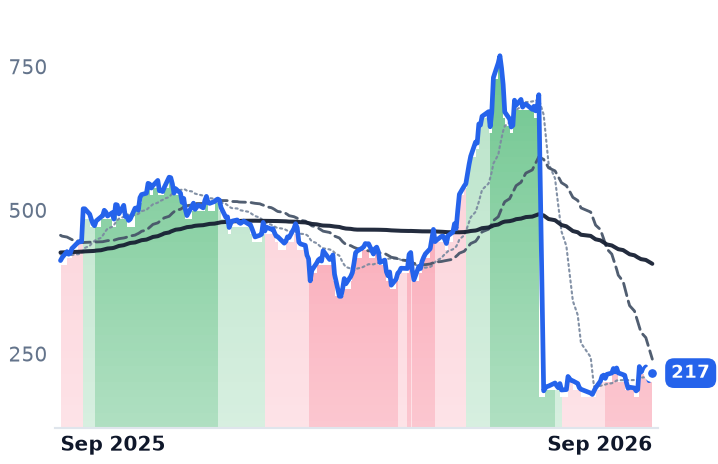
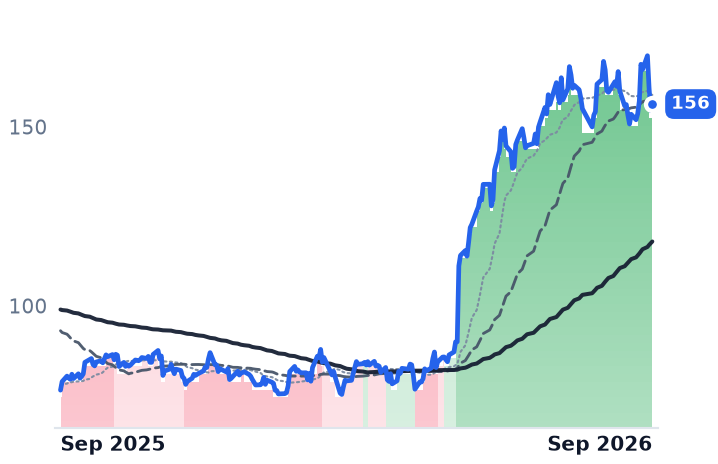
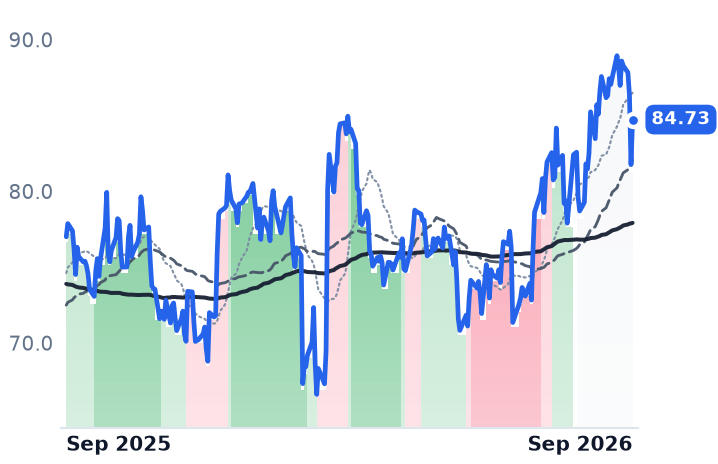
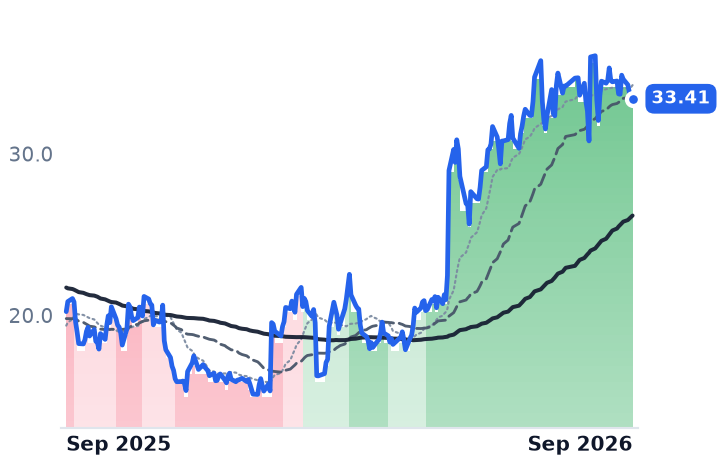
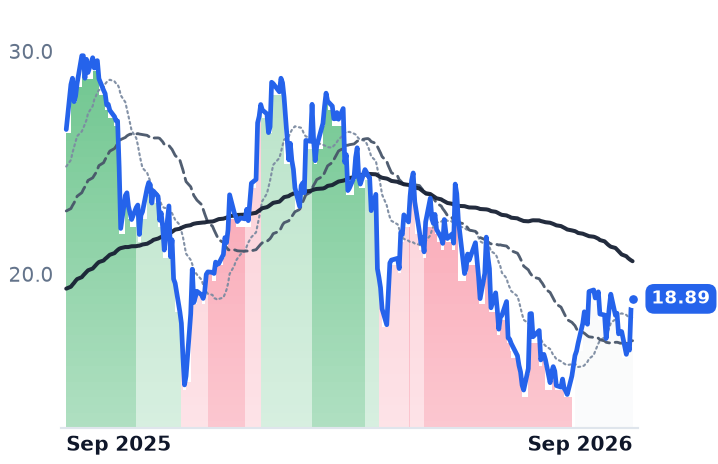
HSAI | Hesai | Advanced Safety & Autonomous Tech | ⚠️ Emerging Bear | +6.4% | −28.7% |
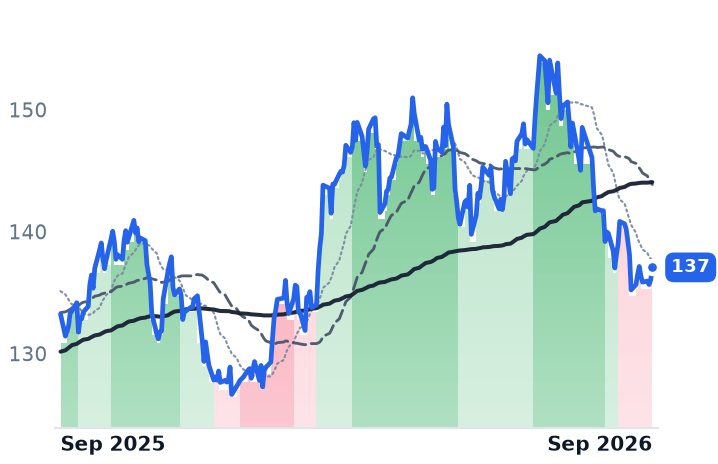
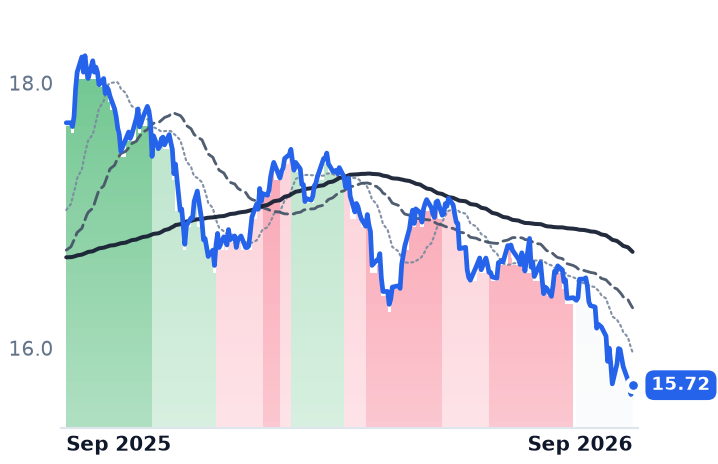
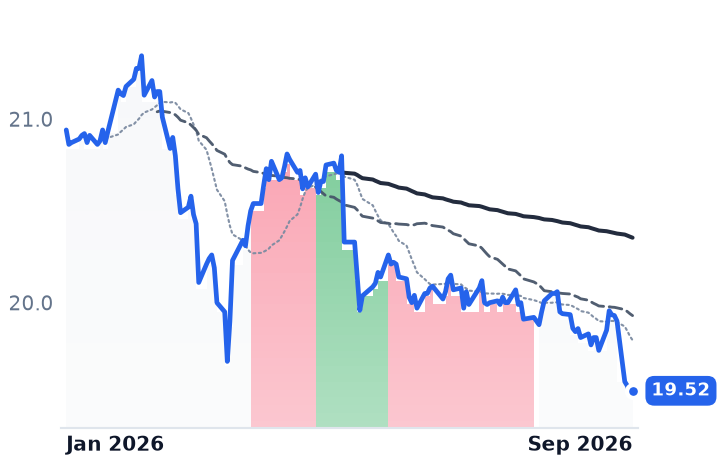
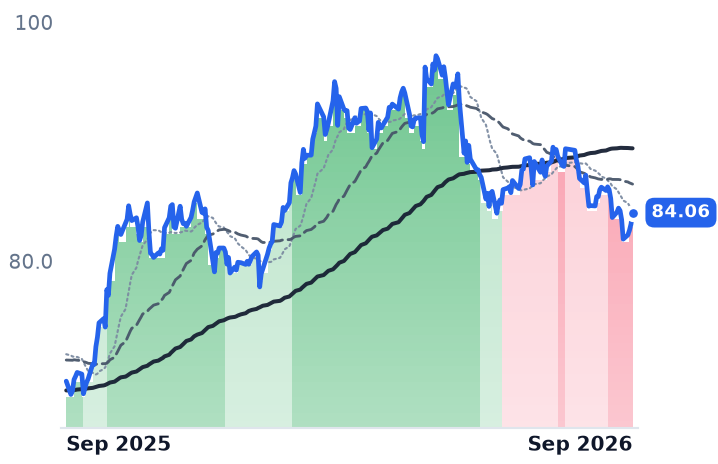
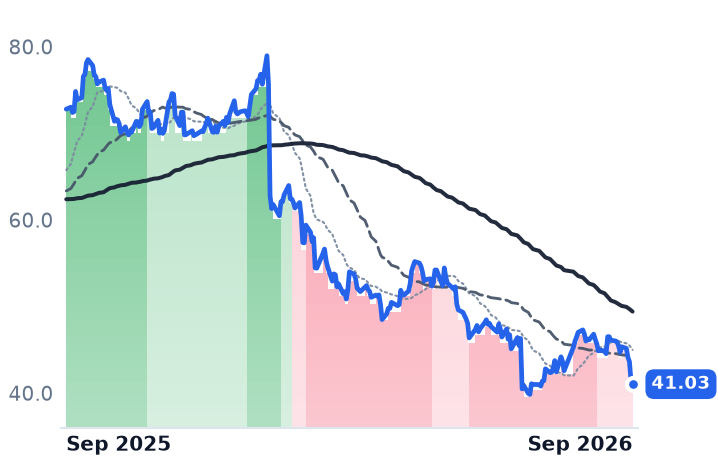
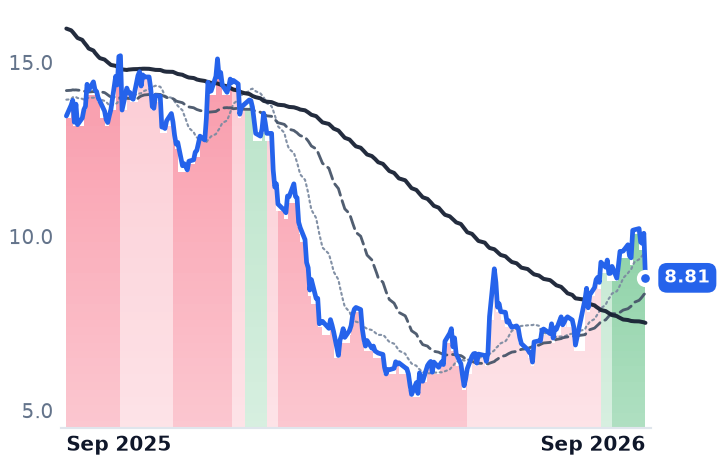
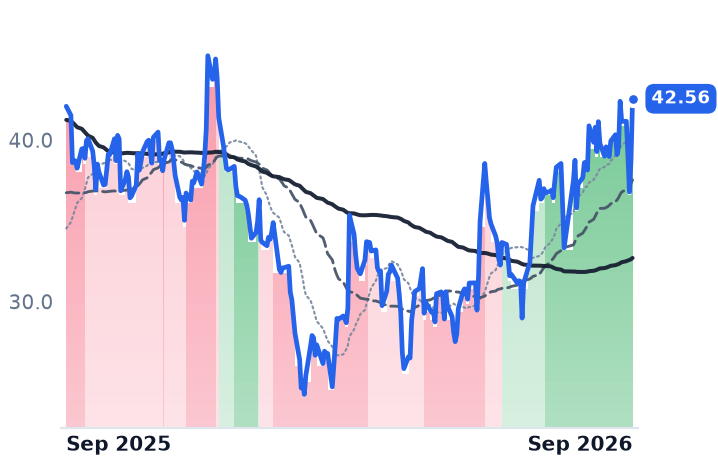
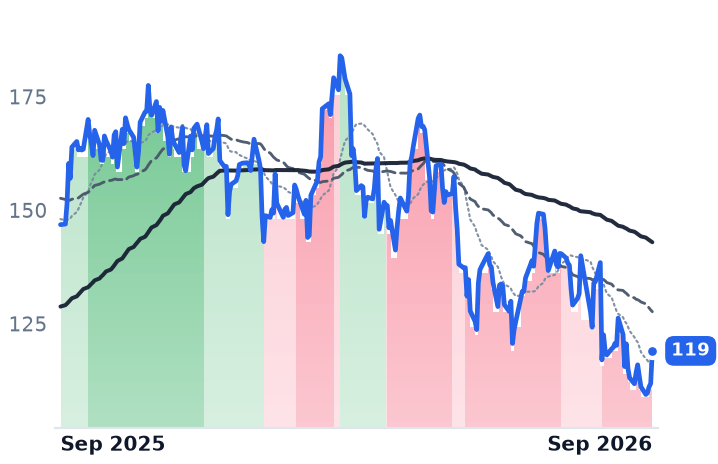
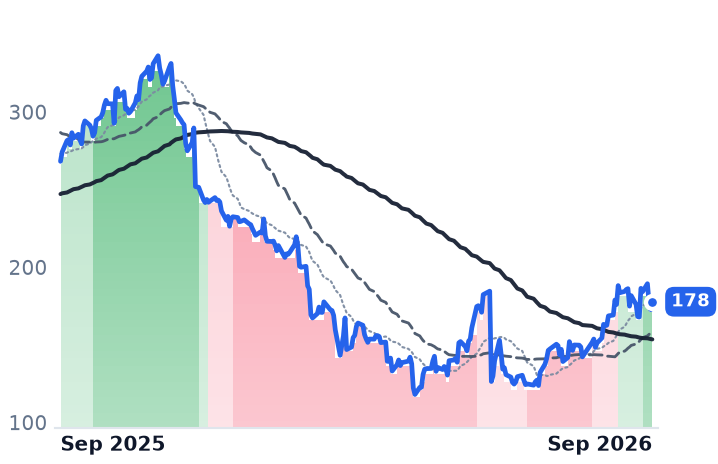
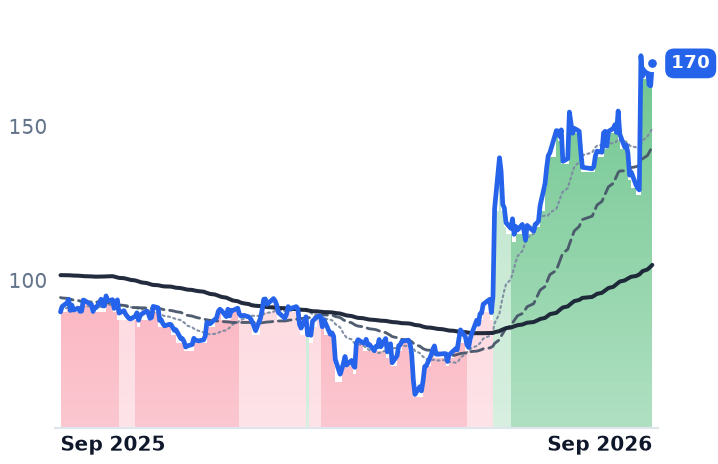
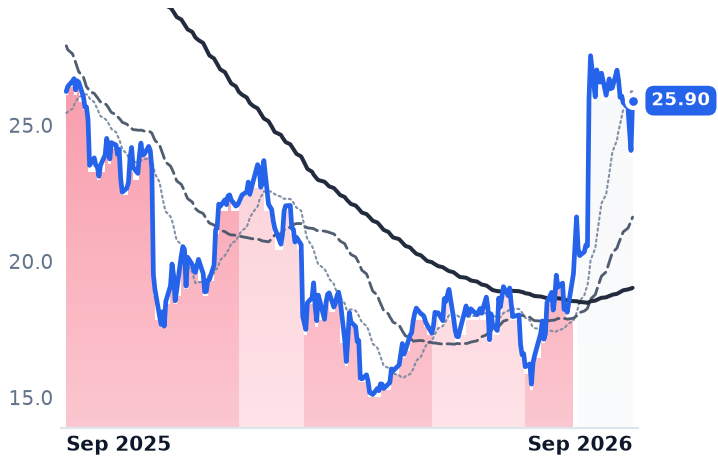
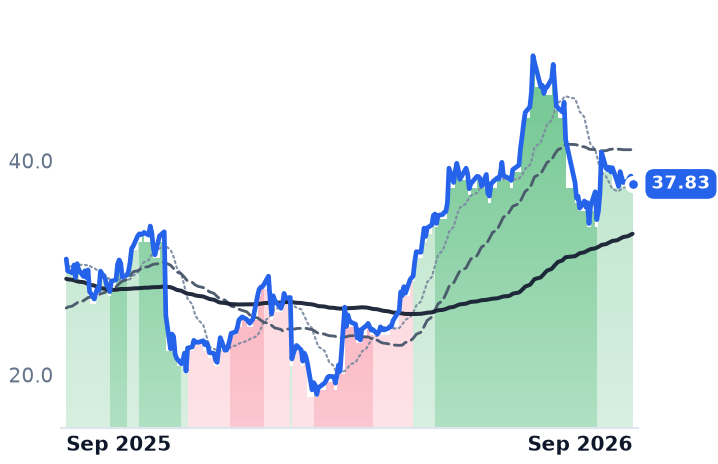
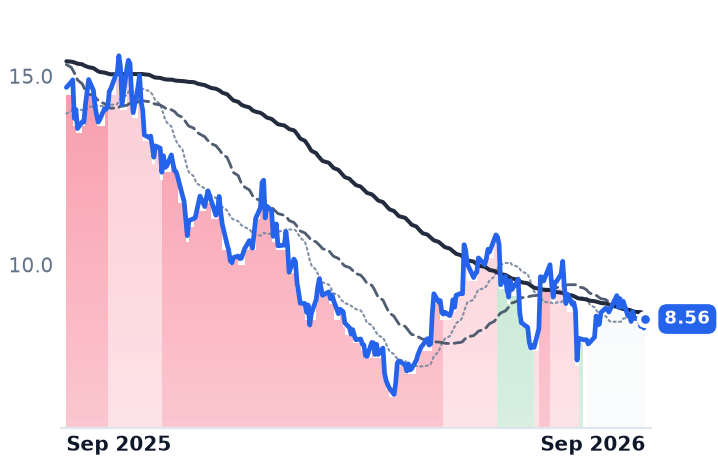
MBLY | Mobileye Global | Advanced Safety & Autonomous Tech | 🔴 Cont. Bear | +1.7% | −41.8% |
| Compared against · context, not the story | |||||
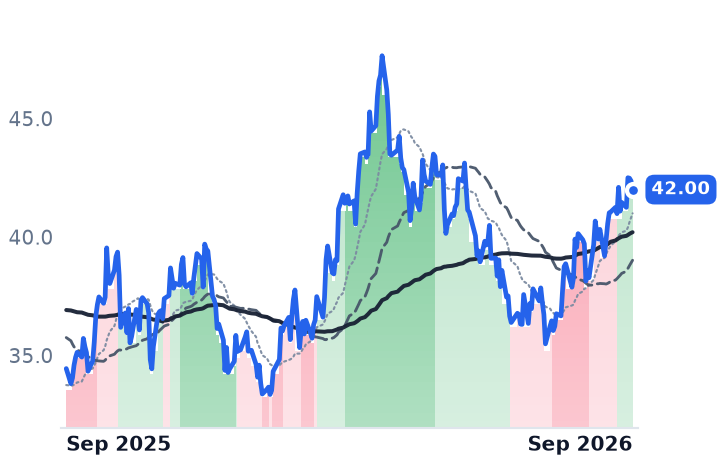
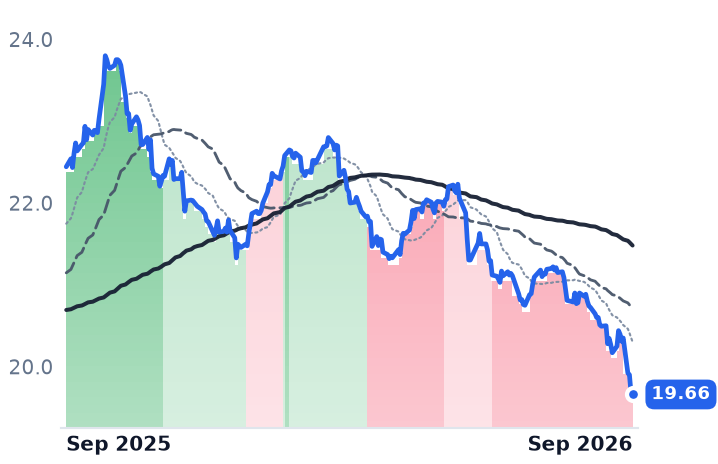
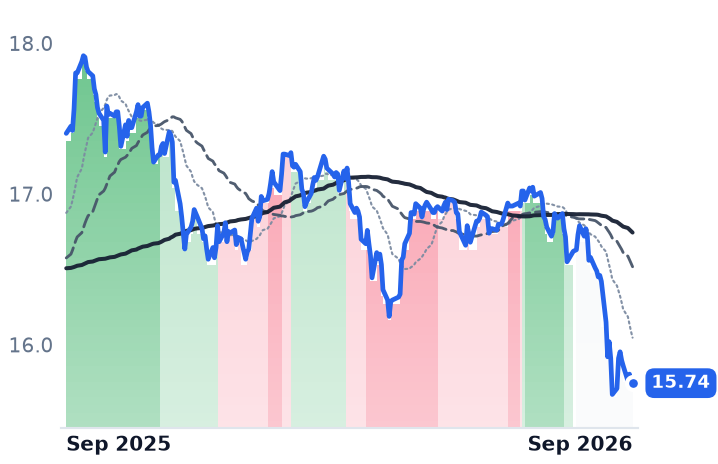
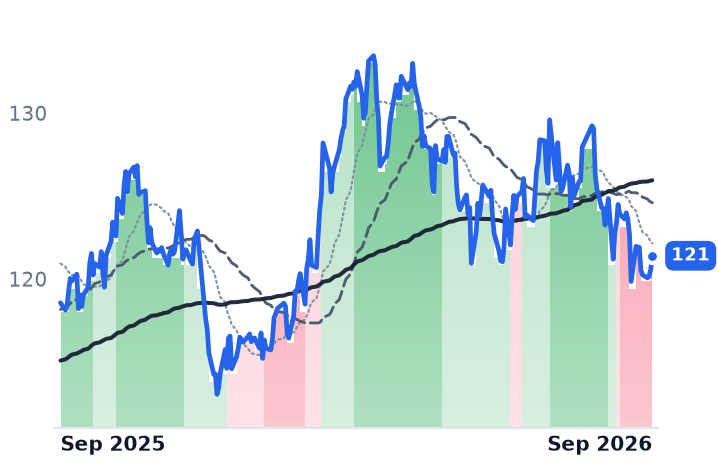
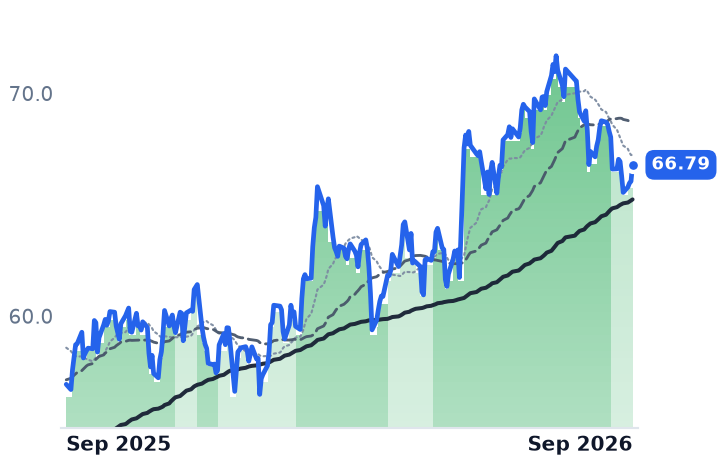
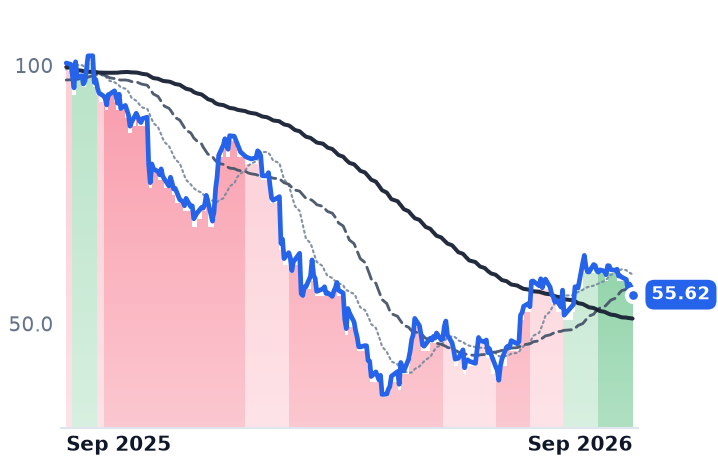
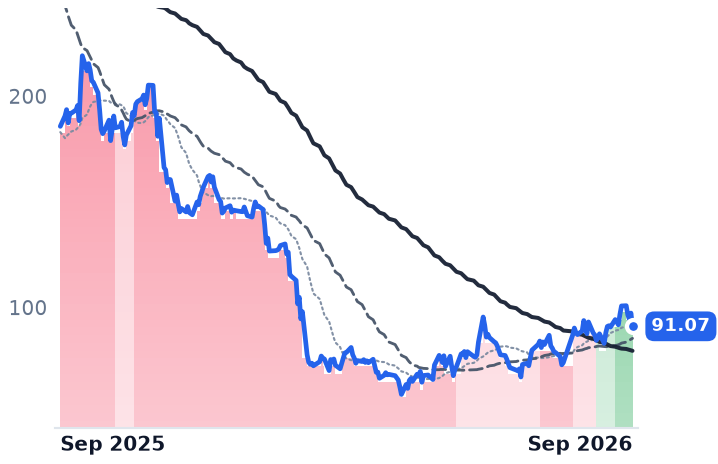
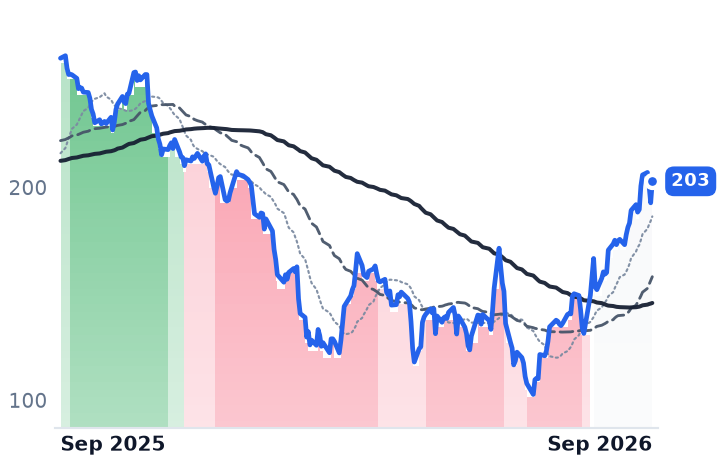
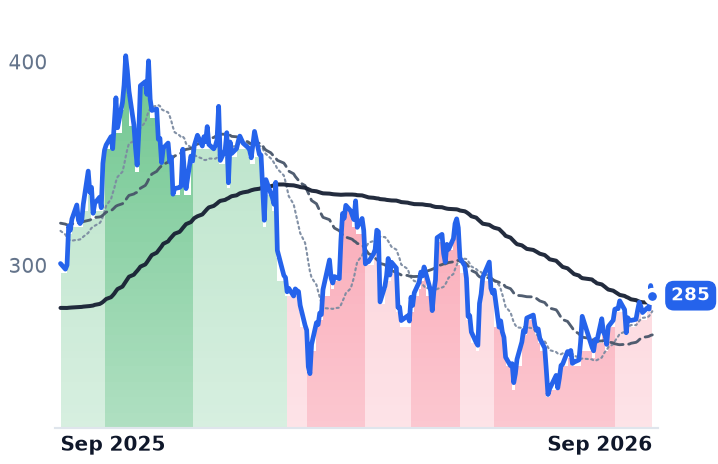
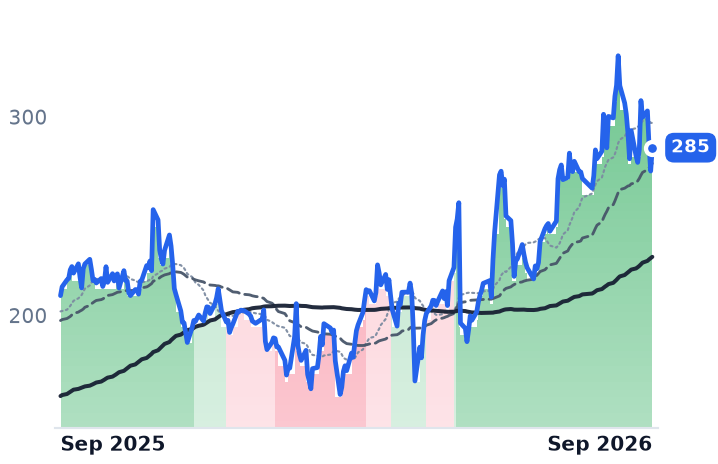
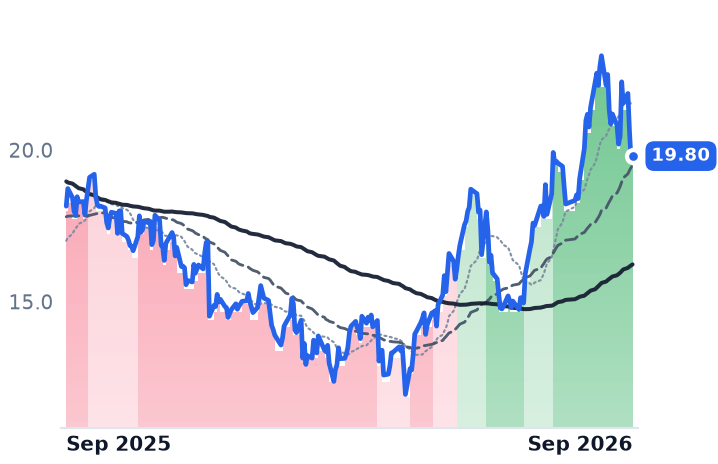
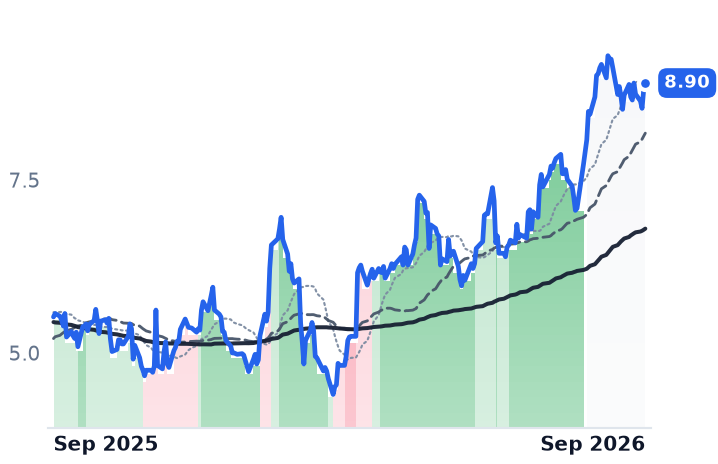
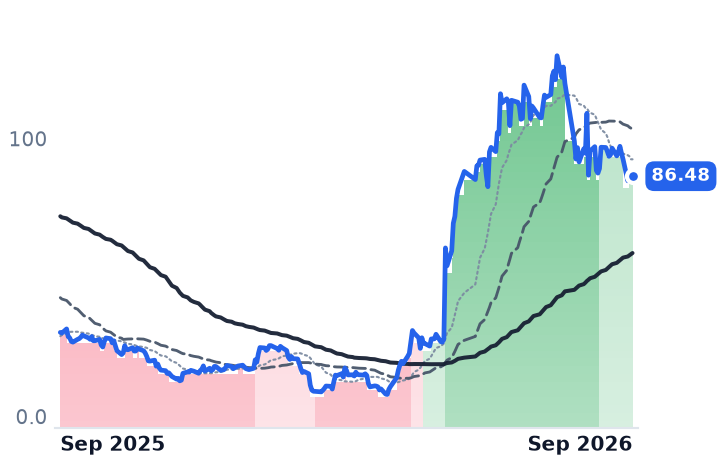
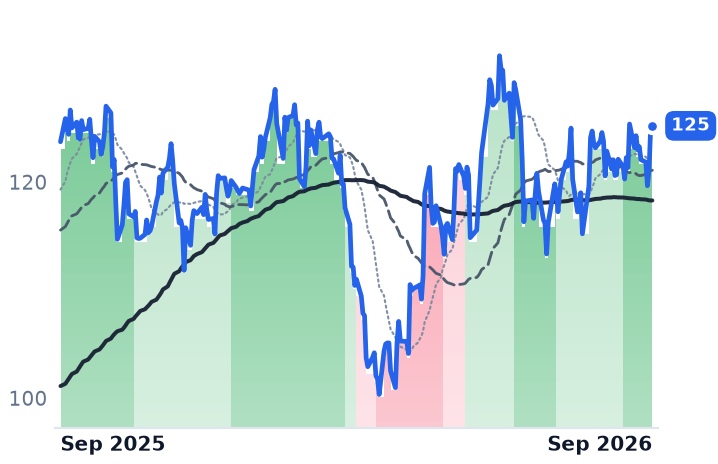
ALV | Autoliv | Advanced Safety & Autonomous Tech | 🟢 Cont. Bull | +3.8% | +1.2% |
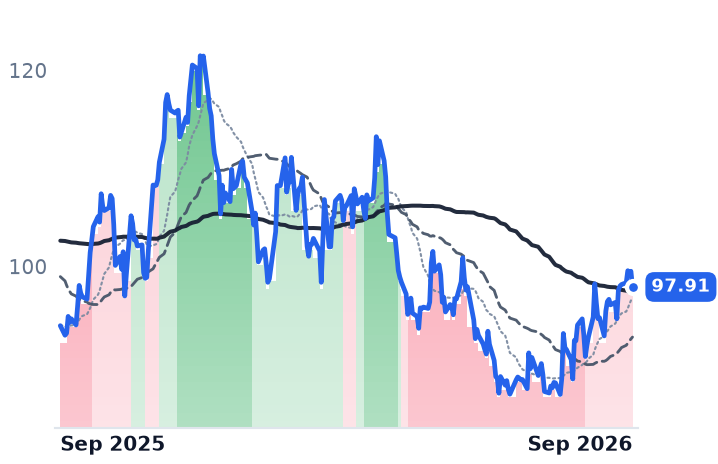
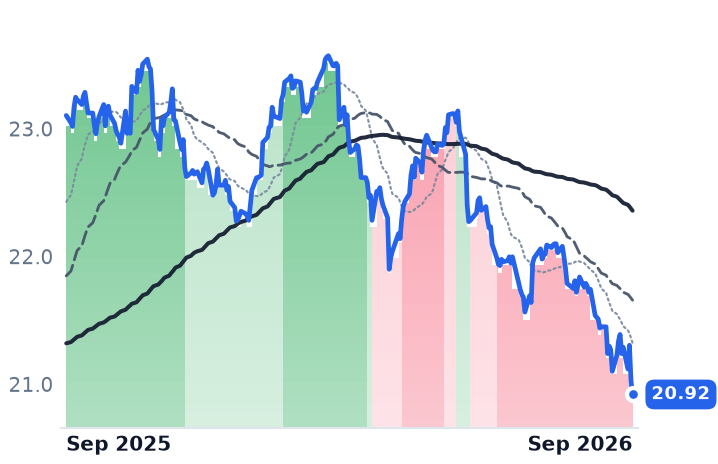
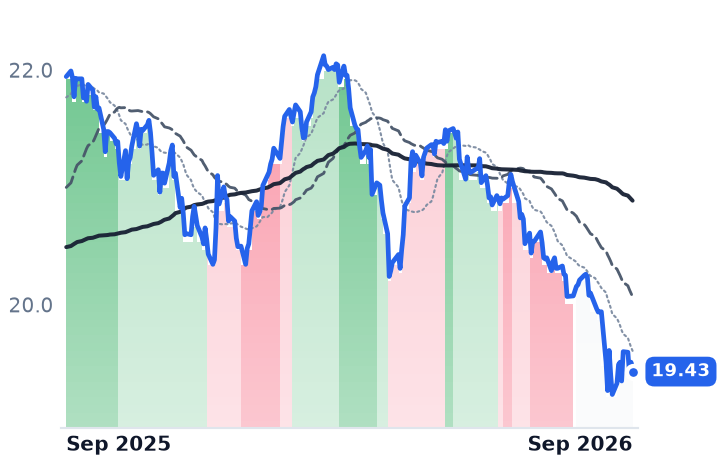
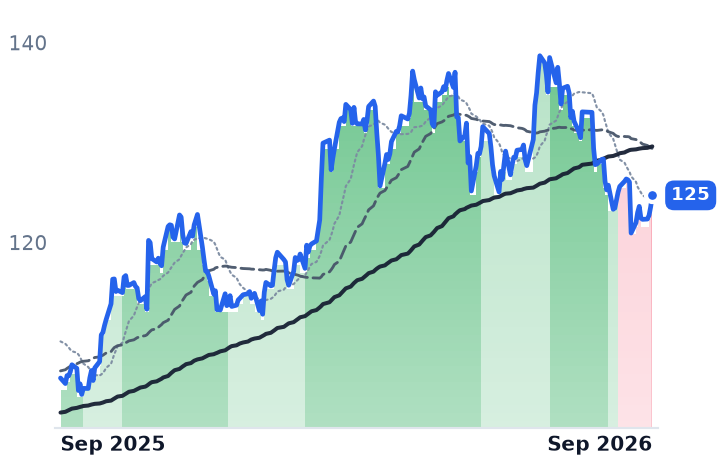
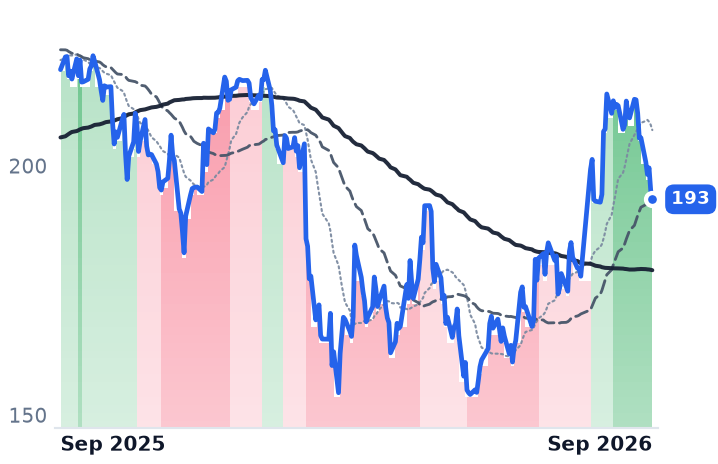
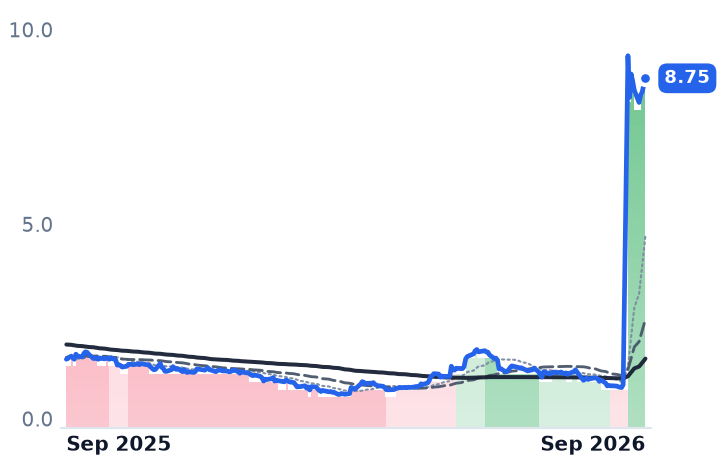
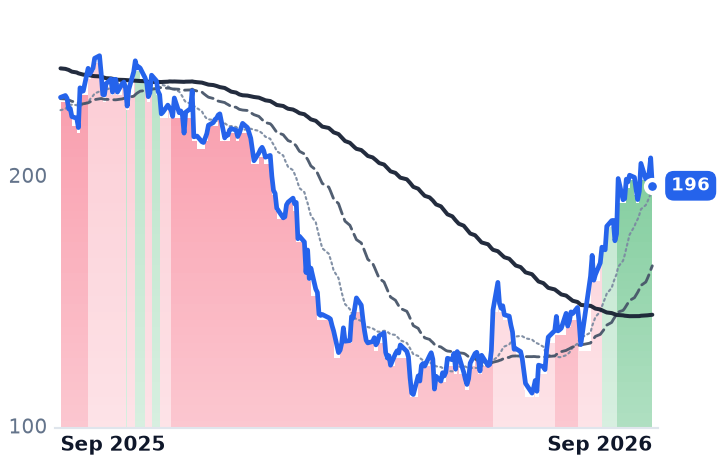
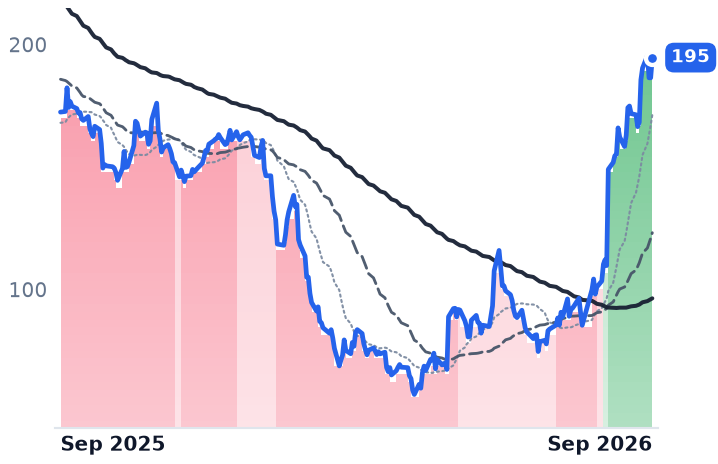
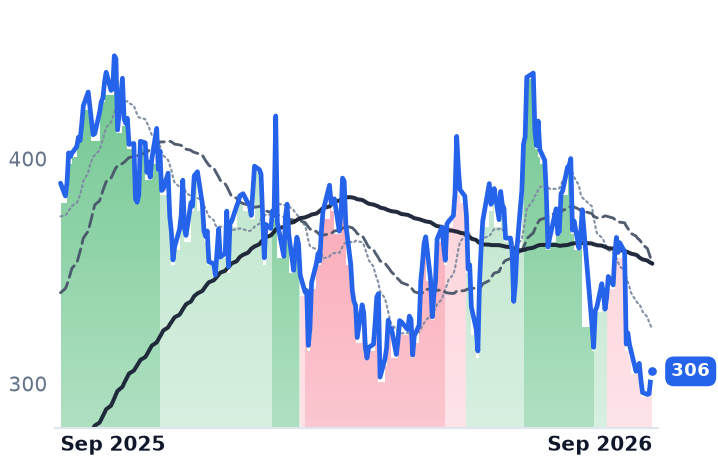
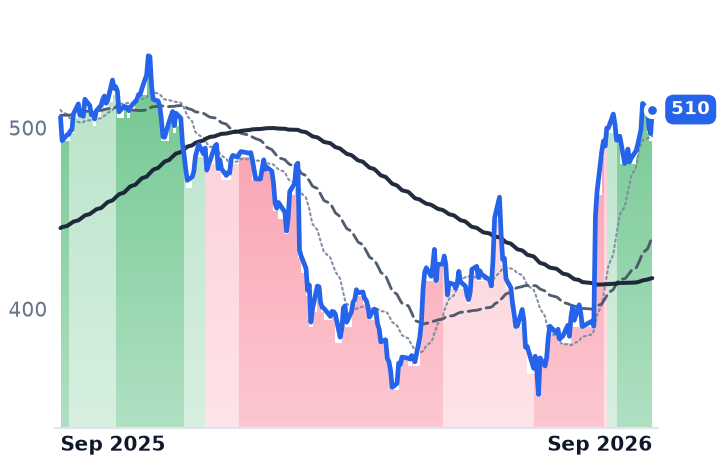
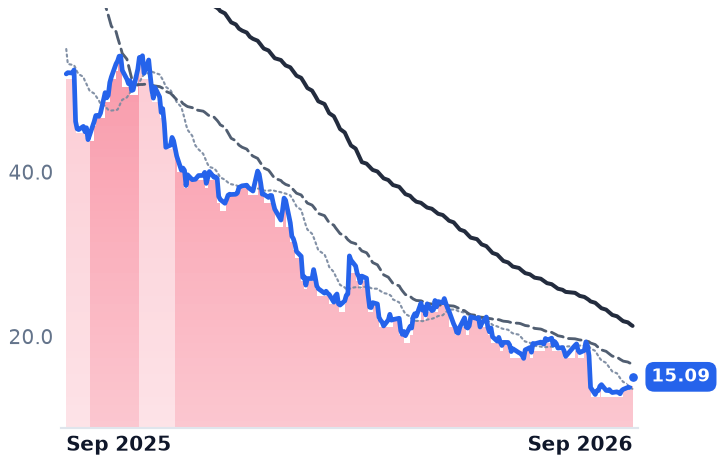
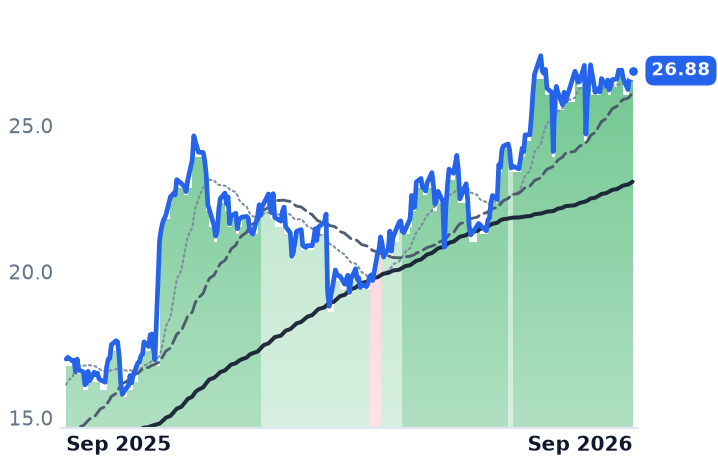
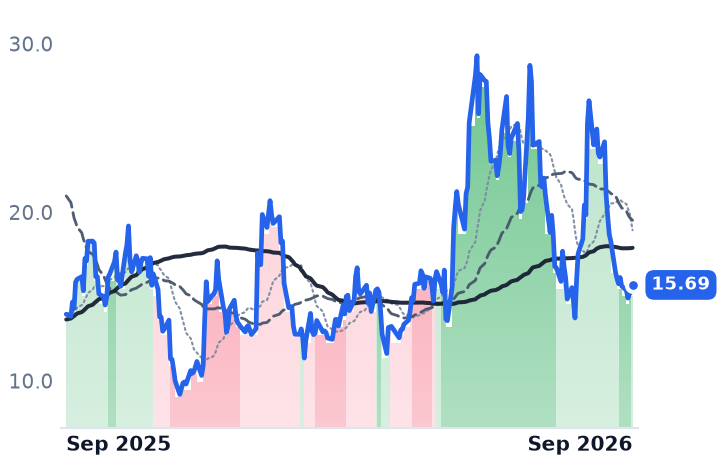
AEVA | Aeva Technologies | Advanced Safety & Autonomous Tech | 🌱 Emerging Bull | −37.9% | +12.5% |
12-month price & trend
| Ticker | Mkt cap | P/E | P/E fwd | P/S | P/S fwd | P/GP | P/GP fwd | EV/EBITDA | FCF yld |
|---|---|---|---|---|---|---|---|---|---|
HSAI | $2.7B | 37.3x | — | 5.5x | — | 13.6x | — | 32.2x | 0.0% |
MBLY | $7.0B | n/m | 17.4x | 3.5x | 3.5x | 7.3x | 7.4x | n/m | 5.6% |
ALV | $9.2B | 14.7x | 12.4x | 0.8x | 0.8x | 4.3x | 4.3x | 8.4x | 8.2% |
| Ticker | Mkt cap | P/E | P/E fwd | P/S | P/S fwd | P/GP | P/GP fwd | EV/EBITDA | FCF yld |
|---|---|---|---|---|---|---|---|---|---|
AEVA | $1.1B | n/m | — | 49.1x | 33.5x | 180.2x | 123.1x | 14.2x | -11.0% |
Consensus projections
| Ticker | FY2026E | FY2027E | FY2028E | |
|---|---|---|---|---|
HSAI | Revenue | +37.8% | +40.9% | +30.8% |
| EPS | −75.8% | +39.4% | +12.5% | |
MBLY | Revenue | +6.3% | +9.5% | +22.5% |
| EPS | +37.4% | +2.4% | +39.5% | |
ALV | Revenue | +3.1% | +3.0% | +3.7% |
| EPS | +5.5% | +18.2% | +13.8% | |
AEVA | Revenue | +89.9% | +122.4% | +197.2% |
| EPS | −13.8% | +1.5% | −35.8% |
Forward fiscal years only. Blank means no analyst coverage for that year.
The units arrived; the dollars did not
Hesai Group, the Shanghai maker of three-dimensional lidar sensors sold to Chinese carmakers and robotaxi fleets, shipped more than 628,000 units in its second quarter, up 80% from a year earlier. Revenue rose 21.9% to RMB 860.8m and gross profit 14.9%. Operating income came to RMB 2.2m — about $0.3m — against RMB 22.9m a year earlier.
That gap between the unit count and the profit is the economics of advanced driver assistance in one line. Global automotive lidar crossed $1bn of revenue for the first time in 2025, on 3.7m passenger-vehicle units, up 60% year on year, with Chinese suppliers holding roughly 95% of the market. A market growing at semiconductor speed has produced a revenue pool smaller than one quarter at a mid-sized parts maker. Cars are taking more sensors and more silicon; so far nobody in this corner is being paid more for supplying them.
Price engineering as strategy
Hesai is not a victim of the deflation — it authored it. Its ATX unit is expected to sell at about $150 in 2026, and around RMB 800 for high-volume customers such as BYD and Geely, against roughly $400 for the older AT128. Chief financial officer Andrew Fan told investors that the right measure is total lidar content per vehicle rather than the price of one unit, with multi-lidar cars heading toward $500 to $1,000 of content, and defended a near-40% full-year gross margin as a matter of price minus cost — proprietary chips, in-house engineering, factory automation. Li Auto fits four Hesai lidars to its L6, L8 and L9. Capacity is going from 2m units to more than 4m this year, and management flagged the third quarter as the point where non-automotive lidar approaches half of revenue.
The other meter
Mobileye Global, which sells the EyeQ vision chip and the higher-content Super Vision stack to carmakers and remains majority-owned by Intel, bills per car rather than per sensor. It shipped 10.0m systems in the June quarter, up 3%, while its ten largest customers' own vehicle production fell 3% — genuine share gain. And the average system price fell to $48.50 from $49.70. Gross margin dropped to 46.3% from 49.8%; gross profit shrank 6.7% on revenue up 0.4%.
The mix shift meant to fix that is not yet visible. The high-content stack ran about 20,000 units in the quarter and over 40,000 in the half, with full-year guidance still under 60,000 and second-half volumes expected to fall as customers draw down inventory. A high-volume 2027 Stellantis award carries gross profit per unit more than double base driver assistance, but management put the point where Surround ADAS lifts average pricing at 2028. Meanwhile the raised full-year profit guidance — adjusted operating income of $395m against $210m before — rests on a research-and-development tax credit worth $93m in the quarter and $180m to $200m for the year, which roughly halves if Intel ceases to control the company. The improvement is fiscal and cost-side.
"Mobileye's core business continues to perform very well in 2026, providing a strong foundation as we build towards upcoming advanced product launches," founder and chief executive Amnon Shashua said on July 23 — the same day the company said he would step aside once a successor is named, after 27 years.
Pricing leverage sits with the buyers. Mobileye's four largest customers were 32%, 19%, 15% and 13% of revenue in the first half of 2025 — about four-fifths in four hands. In China, Horizon Robotics held 35.9% of driver-assistance solutions among domestic carmakers in the first half of 2025 against Mobileye's 26.9%, which is why Mobileye's China growth now comes from Geely and Chery exporting cars rather than from domestic programs. The base beneath both suppliers is contracting: August passenger-car retail sales fell 19% and electrified retail 4%, an eighth straight monthly decline, even as wholesale volumes rose 16%, after the purchase-tax exemption halved to a maximum RMB 15,000 on January 1.
What a mature supplier looks like
Autoliv, the Stockholm maker of airbags, seatbelts and steering wheels, earns an 18.2% gross margin — less than half Hesai's and well under Mobileye's — and is the only one of the three with a real operating margin, at 6.8%. Even there, operating income fell 22.3% year on year on carmaker pricing. It trades at 14.7 times trailing earnings and 12.4 times forward.
The verdict
Both perception names left a bear trend for a flat, directionless one on July 28 and have gone nowhere in the five weeks since; Mobileye is down 42.4% over twelve months and 18.8% over three, Hesai down 28.5% over twelve. Hesai jumped 11.3% on September 3 with no company announcement discoverable, alongside preliminary August industry data — the likelier reading is positioning rather than news. These declines are earned: prices have tracked gross and operating profit, not shipment counts.
What is left is two cheap-looking claims on the same car. Mobileye trades at 7.3 times trailing gross profit and 7.4 times forward — the market pricing zero gross-profit growth — and 0.85 times book after the write-down that produced a $3.8bn quarterly loss; that is a dislocation only if Stellantis in 2027 and Surround in 2028 land as described. Hesai, at 13.6 times trailing gross profit, roughly double Mobileye and triple Autoliv's 4.3 times, is priced for the multi-lidar content thesis to arrive before the price war finishes its work. Its forward multiples divide a dollar share price by renminbi estimates and cannot be compared with either.
Hesai will finish this year with capacity for more than 4m lidars. The question both meters pose is not whether cars get more sensing — they will — but whether the companies building it collect anything for the increment. On the evidence of one quarter each, the units showed up and the money stayed with the carmakers.